
Apicoectomy in Abu Dhabi
Apicoectomy in Abu Dhabi is a minor endodontic surgery used to treat infection around the root tip when a tooth still has a chance to be saved.
Who needs apicoectomy in Abu Dhabi?
Apicoectomy may be needed when infection remains around the tip of the tooth root after previous root canal treatment or when retreating the canal from inside the tooth is not the best option. It is usually considered when the patient has pain, swelling, gum pimple, recurring infection, or a visible lesion around the root on X-ray.
The dentist or endodontic specialist may recommend an apicoectomy when the tooth is worth saving and the surrounding bone can heal after removing the infected root tip. Before the decision, the doctor checks the tooth structure, gum condition, crown or filling quality, root shape, and the size of the infection. In some cases, tooth fillings, teeth crowns, or a new root canal plan may be enough without surgery.
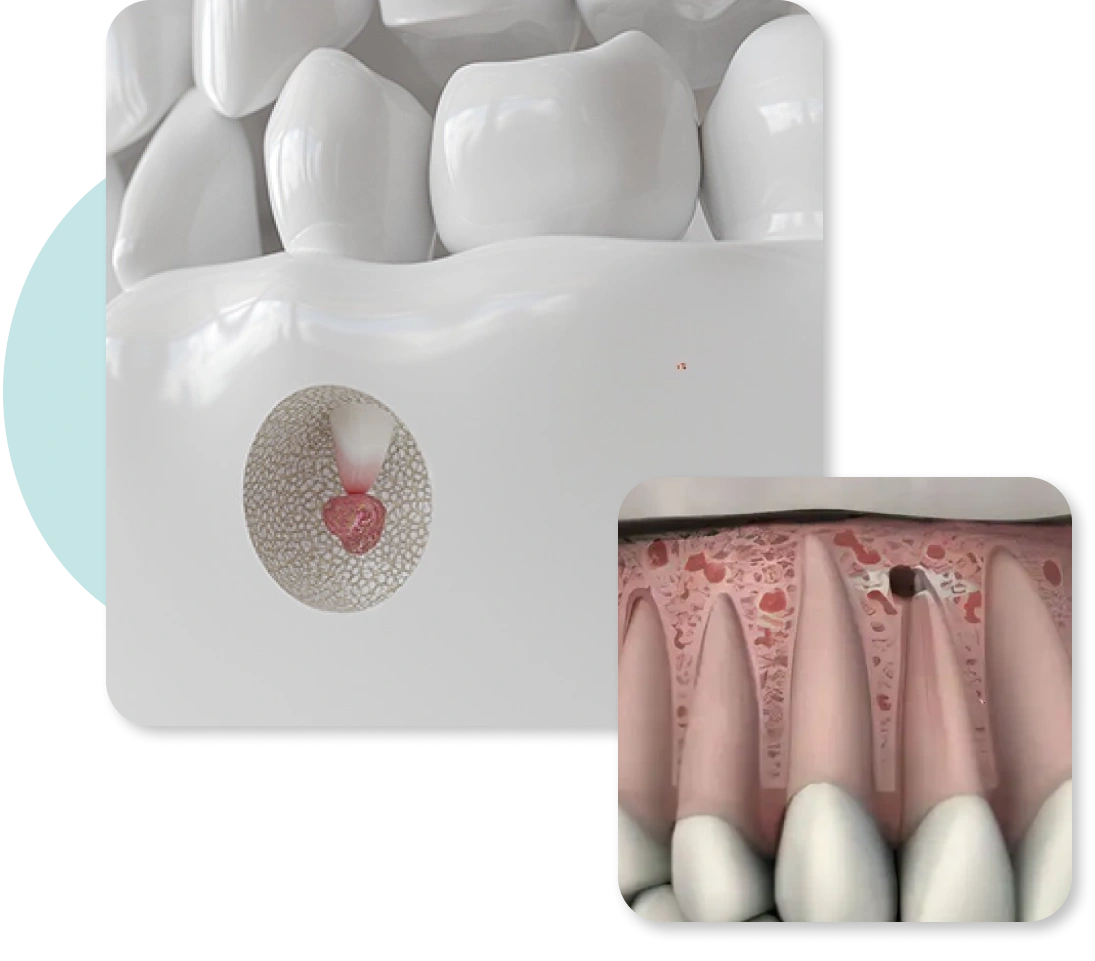

Apicoectomy treatment options
Apicoectomy is not always the first treatment. The dentist first checks whether the tooth can be treated with a simpler option.
- Root canal retreatment may be recommended when the previous canal filling can be safely removed and cleaned again. This is often considered before surgery if access through the tooth is possible.
- Apicoectomy may be recommended when the infection is located around the root tip and the canal cannot be predictably retreated from inside the tooth. It allows the dentist to remove the infected tissue and seal the root end from outside.
- Tooth restoration after infection control may be needed if the tooth has a large cavity, old filling, or weak structure. In this case, the dentist may plan teeth restoration, a filling, or a crown after the infection is managed.
- Tooth removal and replacement may be discussed only when the tooth cannot be saved. Replacement options may include dental bridges or dental implants depending on the case.
Start Your Journey To a Perfect Smile
Reach out to us today and take the first step toward achieving the beautiful, healthy smile you deserve.
Apicoectomy procedure steps
The procedure starts with examination, dental X-rays, and a review of previous root canal work if available. The dentist checks the root tip, bone area, pain pattern, swelling, gum opening, and the condition of the tooth above the gum. If the infection is related to gum disease, the patient may also need periodontics evaluation.
During apicoectomy, local anesthesia is used to numb the area. The dentist opens a small area in the gum near the root tip, removes the infected tissue, trims the end of the root, and seals the root end when needed. The area is then cleaned and closed with stitches.
After the procedure, the patient receives aftercare instructions. Mild swelling, tenderness, or discomfort may happen for a few days. Follow-up visits help the dentist check healing and confirm that the infection is improving. In some cases, the tooth may later need a final restoration, filling, or crown to protect it.
Benefits and limitations of apicoectomy
The main benefit of apicoectomy is that it may help save a natural tooth when infection remains near the root tip. It can be useful when traditional root canal retreatment is difficult, risky, or less predictable. Saving the natural tooth can help maintain chewing function, smile appearance, and jawbone support.
Apicoectomy also targets the infection directly from the root end. This can help patients who have repeated swelling, pain, or gum drainage after earlier endodontic treatment.
However, apicoectomy has limitations. It may not be suitable if the tooth is cracked, very weak, severely loose, affected by advanced gum disease, or impossible to restore. It also cannot guarantee that every tooth will heal, because success depends on the infection, root anatomy, oral hygiene, bone healing, and final restoration quality. If the tooth cannot be saved, the dentist may explain options such as dental implants or dental bridges.
Side effects and risks of apicoectomy
Apicoectomy is a minor surgical procedure, so some short-term side effects may happen. These can include swelling, mild bleeding, tenderness, bruising, or temporary discomfort around the treated area. These symptoms are usually managed with the dentist’s aftercare instructions.
Possible risks include delayed healing, infection recurrence, gum irritation, root fracture, sinus involvement in upper back teeth, nerve irritation in selected areas, or the need for further treatment. The dentist reduces these risks through proper diagnosis, imaging, careful surgical planning, and follow-up.
Patients should contact the clinic if pain becomes worse, swelling increases, bleeding does not stop, or fever appears. If the tooth has a weak structure, the dentist may recommend a protective tooth crown after healing to reduce the risk of fracture.
Cost of apicoectomy in Abu Dhabi
The cost of apicoectomy in Abu Dhabi varies depending on the tooth location, root shape, infection size, X-rays or imaging needed, surgical complexity, previous root canal history, and whether a filling or crown is needed after treatment. Because each case is different, the exact price should be confirmed after examination.
The dentist may also compare apicoectomy with root canal treatment, root canal retreatment, or tooth replacement options before giving the final treatment plan. This helps the patient understand the clinical value, expected healing, and total treatment cost.
Insurance and payment options for apicoectomy
Apicoectomy may be covered fully, partially, or not covered depending on the insurance provider, dental benefits, diagnosis, medical necessity, and approval rules. Patients can contact Al Safwa Medical Center to check whether their plan with Thiqa, ADNIC, NAS, Daman, or Oman Insurance / Sukoon applies to examination, imaging, or treatment.
Payment options may include flexible payment solutions such as Tabby and selected offers through Fazaa, depending on eligibility and clinic policy.
FAQs about apicoectomy in Abu Dhabi
Here are some answers to commonly asked questions about our Medical services
What is apicoectomy?
Apicoectomy is a minor surgical procedure that removes the infected tip of a tooth root and seals the root end when needed. It is usually done when infection remains after previous endodontic treatment.
When is apicoectomy needed?
It may be needed when infection, swelling, pain, or a gum pimple continues after root canal treatment and the tooth can still be saved.
Is apicoectomy the same as root canal treatment?
No. Root canal treatment cleans infection from inside the tooth canal, while apicoectomy treats infection around the root tip through a small surgical access in the gum.
Is apicoectomy painful?
The procedure is done under local anesthesia, so the area should be numb during treatment. Mild soreness or swelling may happen after the procedure.
How long does apicoectomy take to heal?
Soft tissue healing may take days to a few weeks, while bone healing around the root tip takes longer. The dentist will schedule follow-up visits to monitor healing.
Can apicoectomy save my tooth?
It may help save the tooth if the root, bone, gum, and remaining tooth structure are suitable. If the tooth is cracked or too weak, other options may be needed.
What happens if apicoectomy fails?
If infection returns or the tooth does not heal, the dentist may discuss retreatment, extraction, dental bridges, or dental implants.
Do I need a crown after apicoectomy?
Some teeth need a crown after infection control, especially if the tooth is weak or has a large filling. The dentist may recommend teeth crowns to protect the tooth.
How much does apicoectomy cost in Abu Dhabi?
The cost varies by tooth location, infection size, imaging, complexity, and whether additional restoration is needed. You can contact Al Safwa Medical Center to check prices after examination.
Who should I see for apicoectomy?
You should see a dentist or endodontic specialist who can assess the root, infection, and tooth restorability. You can also view our doctors before booking.
