
Pulpotomy in Abu Dhabi
Pulpotomy in Abu Dhabi is a dental treatment used when decay or injury reaches the pulp of a baby tooth but the root area can still be preserved. At Al Safwa Medical Center, our dentists assess the tooth carefully to decide whether your child needs pulpotomy, tooth fillings, or root canal treatment.
Who needs pulpotomy treatment?
Pulpotomy is commonly needed when a child has deep tooth decay in a baby tooth, but the infection has not spread deeply into the roots. Parents may notice tooth pain while eating, sensitivity to cold or sweets, a visible cavity, or discomfort when the child bites on food. In these cases, the dentist may check whether the tooth can be saved instead of removed.
This treatment is often connected to pediatric dentistry because baby teeth help children chew, speak, and keep space for permanent teeth. If a baby tooth is lost too early, the dentist may later recommend space maintainers to protect tooth alignment. For smaller cavities, tooth fillings may be enough.
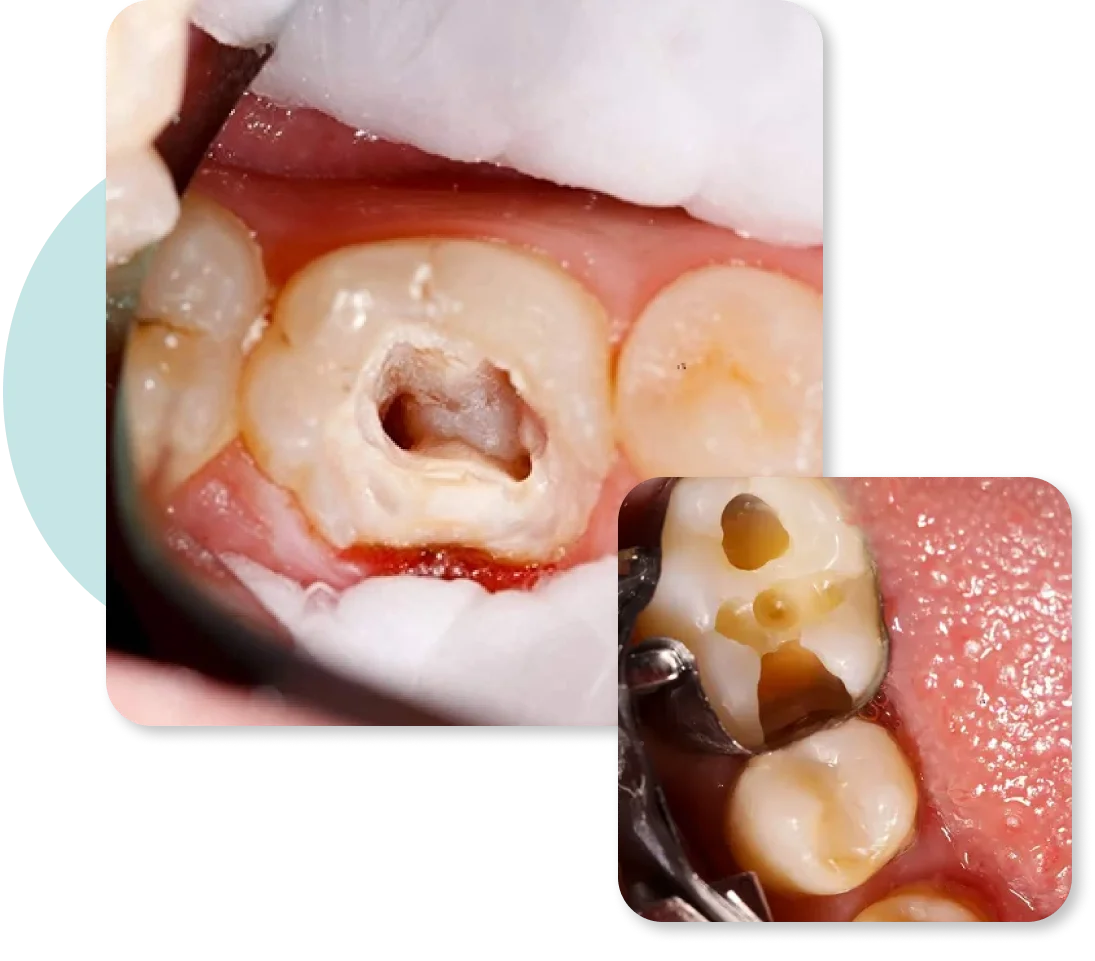
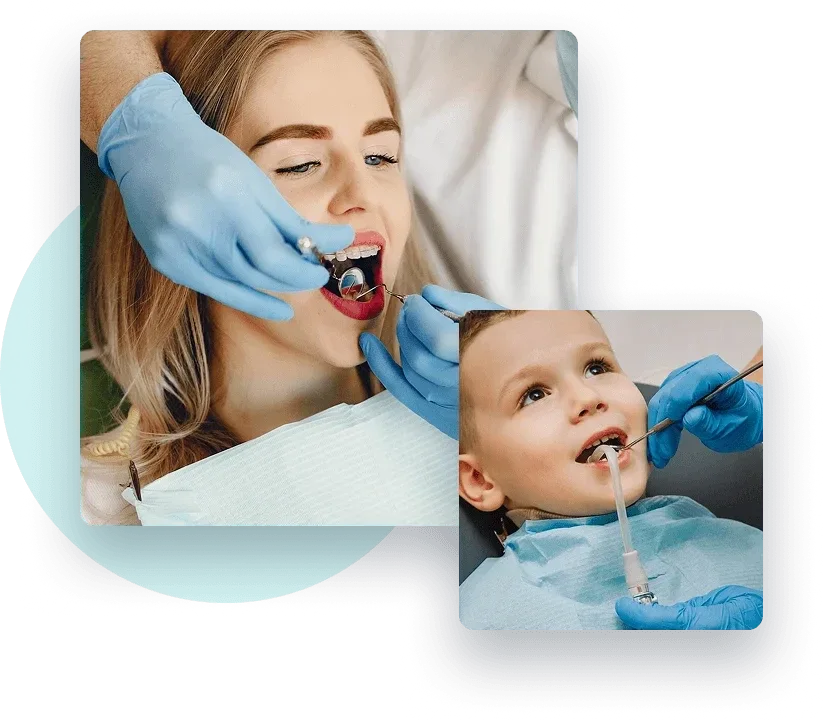
Pulpotomy treatment options in Abu Dhabi
The right treatment depends on the depth of decay, the child’s symptoms, the tooth type, and whether the root area is healthy. During the examination, the dentist may compare several options.
- Tooth filling may be enough when the cavity is limited and has not reached the pulp. In this case, the damaged part is cleaned and restored with a dental filling.
- Pulpotomy may be recommended when the decay reaches the upper pulp inside a baby tooth, but the root pulp is still healthy enough to keep the tooth in place.
- Root canal treatment may be needed when infection is deeper or the tooth is permanent. You can learn more about root canal treatment in Abu Dhabi if the tooth needs more advanced nerve treatment.
- Tooth extraction may be considered if the tooth cannot be saved due to severe infection, swelling, root damage, or poor structure. If a baby tooth is removed early, the dentist may discuss space maintainers.
Start Your Journey To a Perfect Smile
Reach out to us today and take the first step toward achieving the beautiful, healthy smile you deserve.
Pulpotomy procedure steps
The pulpotomy procedure starts with a clinical examination and, when needed, a dental X-ray. The dentist checks the depth of decay, tooth pain pattern, swelling, root condition, and whether the baby tooth can still be saved. If the child has other dental needs, the dentist may also check for dental sealants, fluoride treatment, or preventive care.
During treatment, the dentist numbs the area to keep the child comfortable. The decayed part of the tooth is removed, and the affected pulp tissue in the crown area is cleaned. A protective medicine is placed inside the tooth, then the tooth is sealed with a filling or crown depending on the tooth condition.
After treatment, the dentist checks the bite and gives care instructions. Follow-up may be needed to make sure the tooth remains comfortable and functional until it naturally falls out.
Benefits and limitations of pulpotomy
The main benefit of pulpotomy is that it can help save a baby tooth instead of removing it too early. Keeping the tooth can support chewing, speech, jaw development, and natural spacing for permanent teeth. It may also help avoid the need for early extraction and later space management.
Pulpotomy also helps reduce pain caused by deep decay when the infection is still limited. It can be a practical treatment in pediatric dentistry because it protects the tooth’s function while the child continues to grow.
However, pulpotomy has limits. It may not work if the infection has spread into the roots, if there is swelling or abscess, if the tooth is very loose, or if the tooth structure is too weak. In these cases, the dentist may recommend root canal treatment, extraction, or another treatment under endodontics.
Side effects and risks of pulpotomy
Pulpotomy is commonly used for children, but it still needs correct diagnosis. Some children may feel mild discomfort after treatment, especially when the numbness wears off. This is usually temporary, but ongoing pain, swelling, fever, or difficulty eating should be checked by the dentist.
Possible risks include treatment failure, continued infection, tooth fracture, filling loss, or the need for extraction later. These risks increase when decay is very deep, oral hygiene is poor, or the tooth has already developed infection around the root.
Parents should monitor the treated tooth and help the child maintain good brushing habits. Preventive treatments such as fluoride treatment and dental sealants may reduce future cavity risk.
Cost of pulpotomy in Abu Dhabi
The cost of pulpotomy in Abu Dhabi varies depending on the child’s tooth condition, the depth of decay, whether X-rays are needed, the type of final restoration, and whether other treatments are required during the same visit. A simple case may differ from a tooth that needs a stronger restoration after nerve treatment.
Because pulpotomy pricing was not included in the current fixed price list, the exact cost should be confirmed after examination. The dentist may also explain whether the child needs a filling, crown, extraction, or space maintainer based on the tooth condition.
Insurance and payment options for pulpotomy
Insurance coverage for pulpotomy may vary depending on the child’s policy, provider, diagnosis, and approval rules. Al Safwa Medical Center can help patients check coverage with providers such as Thiqa, ADNIC, NAS, Daman, or Oman Insurance / Sukoon.
Payment options may include flexible solutions such as Tabby and selected offers through Fazaa, depending on eligibility and clinic policy.
FAQs about pulpotomy in Abu Dhabi
Here are some answers to commonly asked questions about our Medical services
What is pulpotomy?
Pulpotomy is a dental treatment used to remove the affected pulp tissue from the crown part of a tooth while keeping the root area preserved when possible.
Is pulpotomy only for children?
Pulpotomy is most commonly used for baby teeth in children, but the dentist decides based on the tooth type, root condition, and diagnosis.
Why not remove the baby tooth instead?
Baby teeth help with chewing, speech, and space for permanent teeth. If a tooth is removed too early, the child may need space maintainers.
Is pulpotomy the same as root canal treatment?
No. Pulpotomy treats the upper pulp area, often in baby teeth. Root canal treatment is usually more extensive and treats the canals inside the roots.
Does pulpotomy hurt?
The dentist usually numbs the area before treatment. The child may feel mild discomfort after the visit, but severe or ongoing pain should be checked.
When does a child need pulpotomy?
A child may need pulpotomy when decay reaches the pulp of a baby tooth but the root area is still healthy enough to preserve the tooth.
Can a filling replace pulpotomy?
A tooth filling may be enough for a smaller cavity. If decay reaches the pulp, pulpotomy may be needed.
What happens if pulpotomy fails?
If infection continues or symptoms return, the dentist may recommend another treatment, root canal treatment, or extraction depending on the tooth condition.
How can parents prevent deep cavities?
Regular dental visits, brushing with fluoride toothpaste, limiting sugary snacks, and preventive care such as fluoride treatment or dental sealants may help reduce cavity risk.
Where can I book pulpotomy in Abu Dhabi?
You can book an appointment at Al Safwa Medical Center to check whether your child needs pulpotomy, filling, or another pediatric dental treatment.
