
Why tooth sensitivity increases in winter and how to stop it
Cold weather brings cozy clothes and warm drinks — but for many adults in Abu Dhabi, it also brings a sharp, uncomfortable sensation in the teeth. This condition, known as tooth sensitivity, is common yet often misunderstood. At Al Safwa Medical Center in Bani Yas, our dental specialists frequently see patients whose teeth react painfully to cold air, chilled water, or hot beverages during the winter season.
Understanding the reasons behind this sensitivity — and how to manage it — helps prevent further damage and maintain lasting oral comfort.
What causes tooth sensitivity in winter?
Our multidisciplinary dental team — led by Dr. Mohammed Dalloul (Medical Director), Dr. Saleh Salem, and Dr. Rahul Patel — approaches sensitivity through both preventive and restorative strategies.
1. Professional desensitizing therapy
Dentists apply specialized fluoride varnishes or desensitizing gels containing compounds such as potassium nitrate or arginine. These seal open dentinal tubules, reducing nerve transmission. In more persistent cases, laser desensitization provides long-term relief by occluding microscopic channels.
2. Restorative correction
If enamel loss or fractures are visible, the clinic uses Emax veneers, 3M Filtek resins, or glass-ionomer restorations to rebuild lost structure while maintaining natural aesthetics. These materials comply with ISO 4049 standards for resin-based restorative composites.
3. Periodontal therapy
For patients with gum recession, laser gum treatment or soft-tissue grafting performed by our periodontic specialists restores coverage of exposed roots and improves long-term tooth stability.
4. Occlusal and orthodontic adjustments
When grinding or misalignment is a contributing factor, our orthodontists may recommend Invisalign aligners or custom night guards to reduce mechanical stress on enamel.
5. Endodontic care
If pulp inflammation or nerve exposure is identified, a root-canal treatment under magnification allows pain-free preservation of the tooth structure rather than extraction.
How to identify the difference between normal sensitivity and dental disease
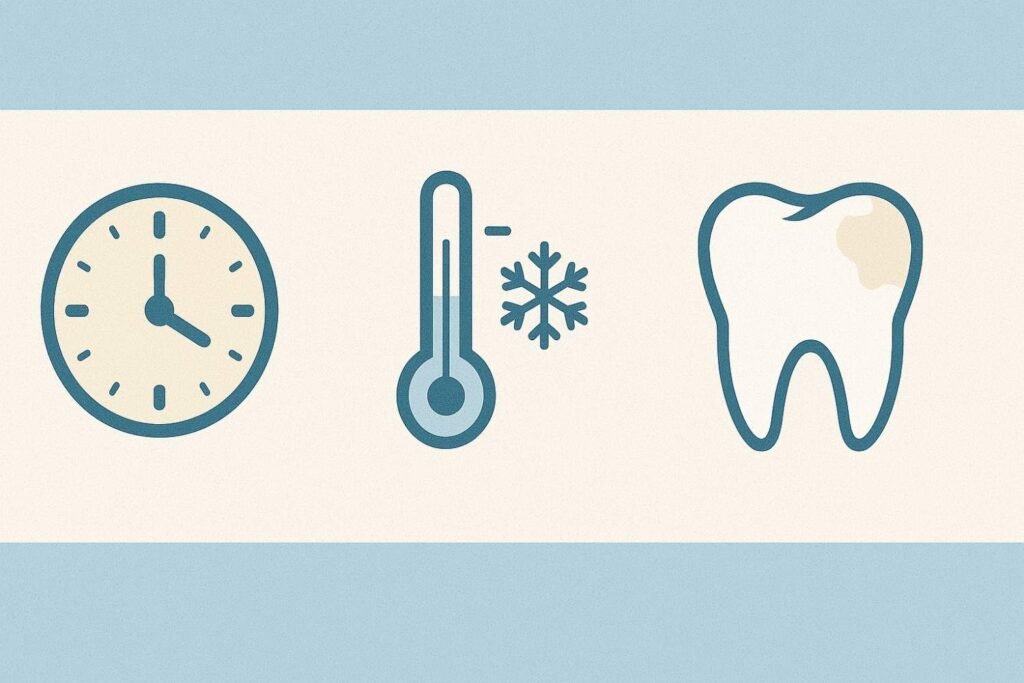
While mild discomfort is often benign, prolonged or localized pain may indicate a deeper issue. At Al Safwa Medical Center, our dentists assess:
- Duration: Fleeting pain suggests sensitivity; lingering pain signals decay or pulp inflammation.
- Trigger: Only cold stimuli point to enamel wear; pain from sweets or pressure may indicate cavities.
- Location: Widespread sensitivity often stems from enamel erosion, while one sensitive tooth hints at a specific defect.
Recent scientific findings show that cold sensations travel through TRPC5 ion channels in odontoblasts, directly activating nerve fibers and intensifying cold-related pain (view the full study here).
Diagnostic tools such as pulp vitality testing, intraoral radiographs, and periodontal probing help confirm the cause before treatment.
How do dental professionals treat sensitive teeth at Al Safwa Medical Center?
Our multidisciplinary dental team — led by Dr. Mohammed Dalloul (Medical Director), Dr. Saleh Salem, and Dr. Rahul Patel — approaches sensitivity through both preventive and restorative strategies.
1. Professional desensitizing therapy
Dentists apply specialized fluoride varnishes or desensitizing gels containing compounds such as potassium nitrate or arginine. These seal open dentinal tubules, reducing nerve transmission. In more persistent cases, laser desensitization provides long-term relief by occluding microscopic channels.
2. Restorative correction
If enamel loss or fractures are visible, the clinic uses Emax veneers, 3M Filtek resins, or glass-ionomer restorations to rebuild lost structure while maintaining natural aesthetics. These materials comply with ISO 4049 standards for resin-based restorative composites.
3. Periodontal therapy
For patients with gum recession, laser gum treatment or soft-tissue grafting performed by our periodontic specialists restores coverage of exposed roots and improves long-term tooth stability.
4. Occlusal and orthodontic adjustments
When grinding or misalignment is a contributing factor, our orthodontists may recommend Invisalign aligners or custom night guards to reduce mechanical stress on enamel.
5. Endodontic care
If pulp inflammation or nerve exposure is identified, a root-canal treatment under magnification allows pain-free preservation of the tooth structure rather than extraction.
Can lifestyle changes reduce winter tooth sensitivity?
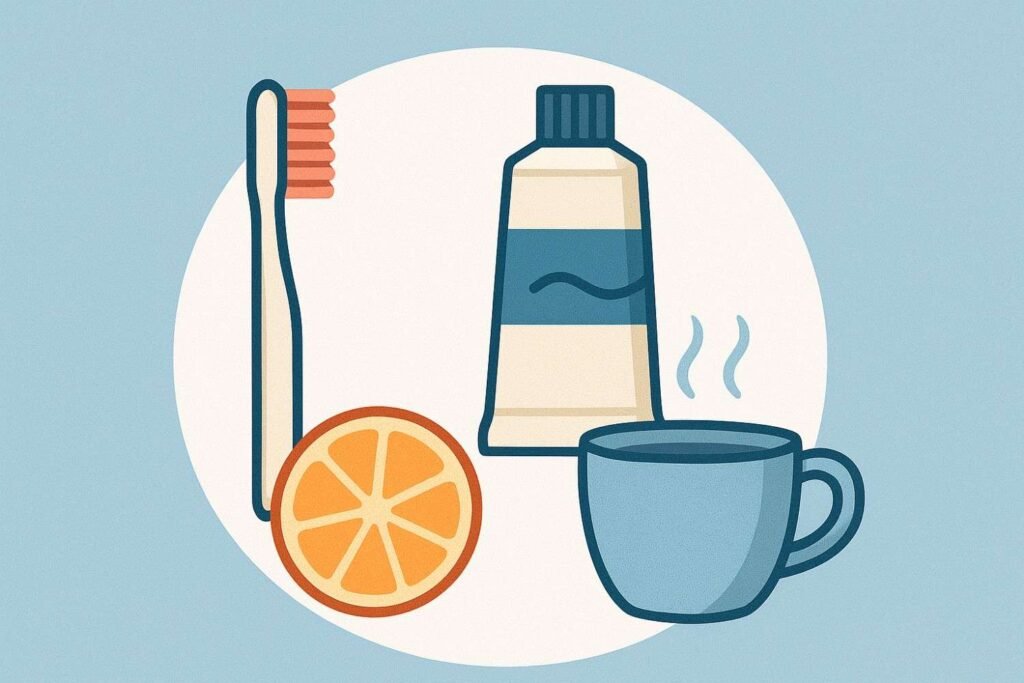
Absolutely. Daily habits significantly influence enamel integrity and gum health. The team at Al Safwa Medical Center recommends:
- Use a soft-bristle toothbrush and gentle circular motions to prevent abrasion.
- Choose fluoride toothpaste for sensitive teeth — preferably ADA-approved formulas.
- Limit acidic foods and drinks such as citrus juices, carbonated sodas, and vinegar.
- Rinse after coffee or tea to neutralize temperature and pH effects.
- Avoid over-whitening products, which can thin enamel when overused.
- Maintain hydration; dry mouth in cooler weather increases acid concentration.
These preventive steps complement professional treatment and reduce recurrence throughout the colder months.
When should you see a dentist for tooth sensitivity?
Persistent sensitivity lasting more than a week, pain localized to one tooth, or discomfort accompanied by swelling should not be ignored.
At Al Safwa Medical Center, same-day appointments are available for:
- Sudden onset of cold or heat pain
- Sensitivity following dental trauma
- Post-whitening discomfort
- Gum bleeding or visible recession
Early diagnosis prevents progression to infection, abscess, or tooth loss.
How does Al Safwa Medical Center ensure safe and effective care?
Our clinic follows strict sterilization and infection-control protocols in line with Abu Dhabi DOH and American Dental Association (ADA) guidelines.
Digital radiography minimizes radiation exposure, while intraoral cameras allow patients to visualize their own treatment plans.
Each procedure is tailored according to:
- Tooth vitality and remaining enamel thickness
- Patient age and oral hygiene level
- Medical history (e.g., diabetes, hypertension, medication use)
All restorative materials used — from Emax ceramics to 3M bonding agents — are globally certified for durability and biocompatibility.
Advanced treatments available at Al Safwa Medical Center
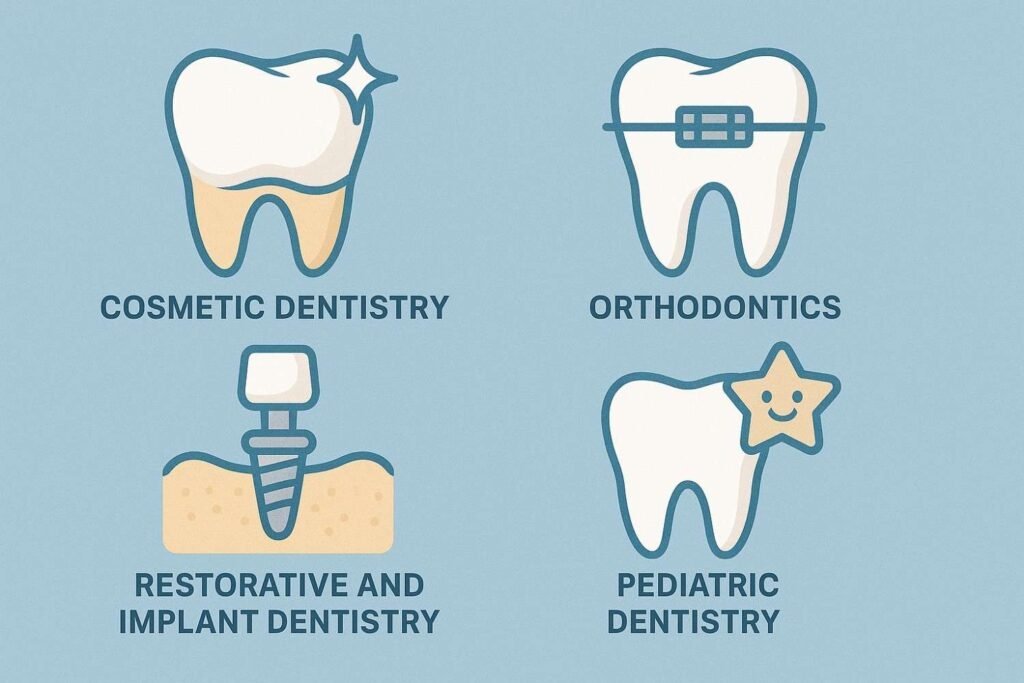
Beyond sensitivity management, the clinic offers a comprehensive range of dental services, ensuring continuity of care for every patient:
Cosmetic dentistry
- Hollywood Smile design with Emax veneers
- Teeth bonding and snap-on smiles for minor imperfections
- Laser teeth whitening using calibrated low-peroxide systems
Orthodontics
- Metal and ceramic braces
- Invisalign clear aligners for adults and teens
- Post-treatment retainers and follow-up monitoring
Restorative and implant dentistry
- Dental implants and tooth implants with titanium or zirconia fixtures
- Crown and bridge restorations using CAD/CAM precision
- Bone grafting for implant readiness
Periodontics and gum therapy
- Laser gum contouring
- Scaling and root planing for plaque-induced inflammation
- Maintenance programs to prevent periodontal relapse
Endodontics
- Root-canal therapy, pulpotomy, and apicoectomy procedures
- Microscopic precision to preserve natural teeth
Pediatric dentistry
- Sealants, fluoride varnish, and space maintainers
- Gentle behavioral management for young patients
Oral and maxillofacial surgery
These multidisciplinary capabilities allow the center to manage complex cases under one roof — a major advantage for families and working professionals in Bani Yas.
How does winter affect existing dental restorations and braces?
Temperature fluctuations can cause micro-expansion and contraction in composite fillings or metal wires. Patients with orthodontic braces may experience increased tension or discomfort in cold air, while ceramic restorations remain stable but can transmit temperature more rapidly. Our dentists recommend regular seasonal checkups to adjust orthodontic forces, inspect bonding margins, and ensure that restorations maintain their seal against microleakage.
Additionally, similar winter-related discomfort has been documented in clinical observations showing how cold air can trigger nerve sensitivity in both natural teeth and restored surfaces — you can explore more in this article: reasons why your teeth may hurt in winter.
Post-treatment care and follow-up

Following professional treatment, maintaining results involves:
- Avoiding extreme temperatures in food and drink for 48 hours
- Using prescribed desensitizing toothpaste twice daily
- Attending recall visits every six months for scaling and fluoride therapy
- Reporting persistent pain promptly for re-evaluation
At Al Safwa, patient education is integral. Each visit includes personalized oral-care instructions and demonstration of proper brushing and flossing techniques.
Expert insight: why prevention matters
As Dr. Mohammed Dalloul explains, “Tooth sensitivity is not just discomfort — it’s an early warning. Addressing it promptly preserves enamel, protects nerves, and prevents the need for invasive treatments later.”
This philosophy guides Al Safwa Medical Center’s practice: comprehensive evaluation, evidence-based treatment, and a focus on long-term oral wellness.
Conclusion
Seasonal tooth sensitivity is a signal that your teeth and gums may need professional attention. Through preventive care, modern desensitizing therapies, and minimally invasive restorations, Al Safwa Medical Center in Abu Dhabi provides lasting relief and healthier smiles year-round.
For appointments or consultations, visit www.alsafwamedical.ae or call +971 2 444 8877.
Professional dental guidance ensures that every patient — from children to adults — enjoys confident, pain-free smiles in every season.
