
Gingivectomy in Abu Dhabi
Gingivectomy in Abu Dhabi is a gum treatment used to remove or reshape excess gum tissue for medical or cosmetic reasons. At Al Safwa Medical Center, our periodontics team checks your gum health, smile line, and tooth condition before recommending gingivectomy.
Who needs gingivectomy in Abu Dhabi?
Gingivectomy may be recommended for patients with excess gum tissue, uneven gum lines, gummy smile concerns, deep gum pockets, or gum tissue that makes cleaning difficult. It may also help when inflamed gum tissue does not respond enough to regular cleaning or other periodontal care.
Some patients ask about gingivectomy for cosmetic reasons, especially when the teeth look short because too much gum tissue covers them. Others need it as part of gum disease treatment when gum pockets collect plaque and bacteria. If the main issue is tooth shape or smile color, the dentist may also discuss veneers and Emax, teeth whitening, or Hollywood Smile.
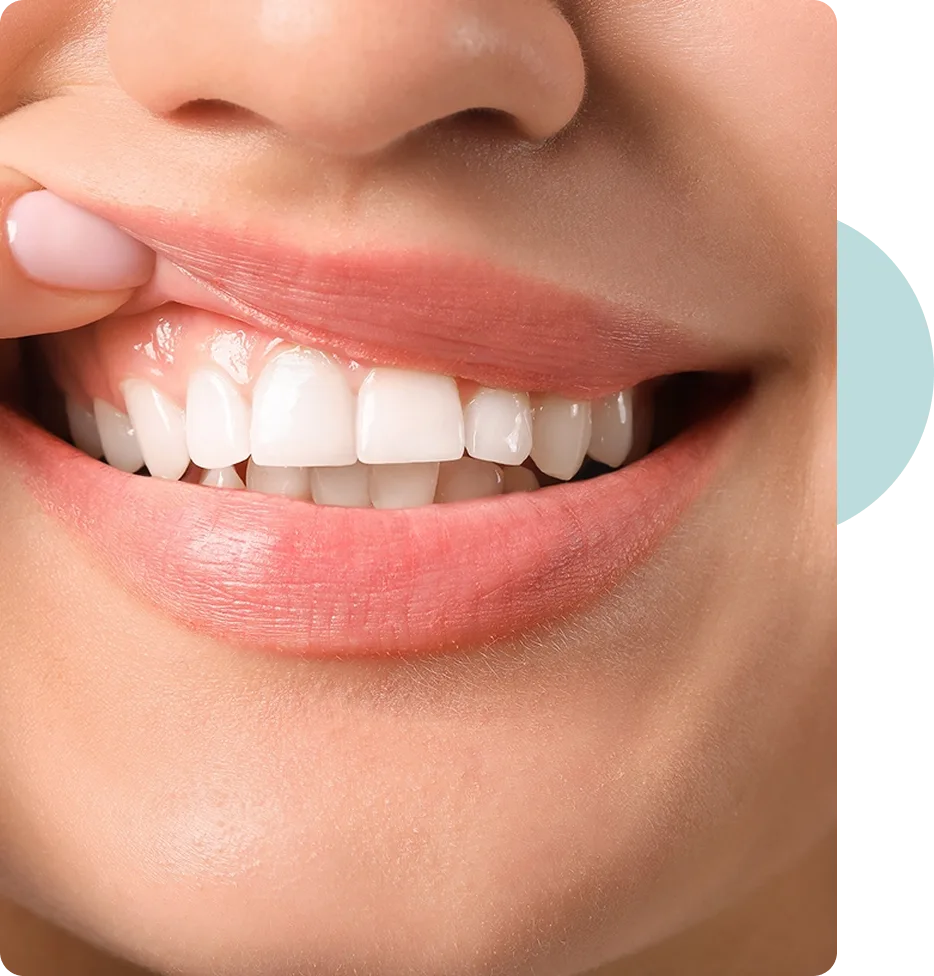
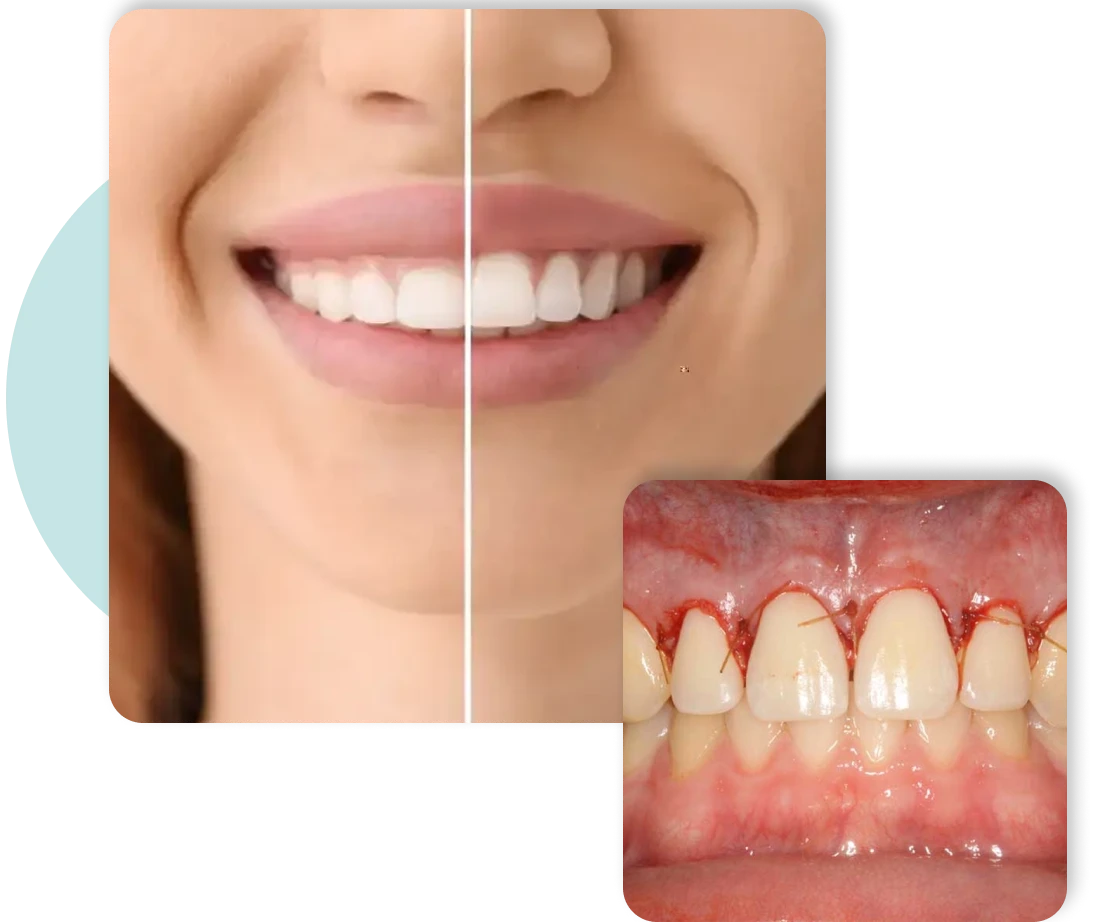
Gingivectomy treatment options in Abu Dhabi
The right gum treatment depends on why the gum tissue needs correction. A dentist or periodontist may recommend gingivectomy alone or combine it with other dental treatments.
- Cosmetic gingivectomy is used to reshape the gum line and improve smile balance. It may suit patients with a gummy smile or uneven gum levels.
- Periodontal gingivectomy may be used when gum pockets or excess tissue make oral hygiene difficult. In these cases, it may be part of a wider periodontics plan.
- Gum disease treatment may be needed first if the gums are inflamed, bleeding, swollen, or infected. Gingivectomy should not replace proper gum disease treatment when infection is active.
- Teeth scaling may be recommended before gum reshaping to remove plaque and tartar. You can learn more about teeth scaling in Abu Dhabi if your gums bleed during brushing.
- Smile design treatments may be discussed after the gum line is corrected, especially if the patient also wants whiter or more even teeth through teeth bonding, veneers and Emax, or Hollywood Smile.
Start Your Journey To a Perfect Smile
Reach out to us today and take the first step toward achieving the beautiful, healthy smile you deserve.
Gingivectomy procedure steps
The procedure starts with a gum examination. The dentist checks the gum line, tooth length, gum pockets, bleeding points, plaque buildup, bite, and smile appearance. If there is tartar or gum inflammation, teeth scaling or gum disease treatment may be needed first.
After the assessment, the dentist marks the gum area that needs reshaping or removal. Local anesthesia is usually used to keep the patient comfortable. The excess gum tissue is then carefully removed or reshaped. The aim is to create a cleaner gum contour, reduce problematic tissue, or improve the smile line.
After the procedure, the dentist gives instructions for cleaning, eating, and avoiding irritation while the gums heal. A follow-up visit may be needed to check healing and confirm that the gum line is stable. If the patient plans cosmetic work such as veneers and Emax or teeth crowns, the gum tissue should heal first before final restorations are made.
Benefits and limitations of gingivectomy
Gingivectomy can improve gum shape, make teeth look longer, reduce excess tissue, support better cleaning, and help create a more balanced smile. For some patients, it also makes future cosmetic or restorative treatments easier to plan, especially before veneers and Emax, teeth crowns, or Hollywood Smile.
Its limitations depend on the cause of the gum problem. If the gummy smile is caused by jaw position, tooth eruption, or lip movement, gingivectomy alone may not be enough. If there is advanced gum disease, the patient may need a broader periodontal treatment plan.
Gingivectomy also does not whiten teeth, repair cavities, replace missing teeth, or correct severe tooth alignment. Other services such as tooth fillings, teeth whitening, dental implants, or orthodontics may be needed depending on the case.
Side effects and risks of gingivectomy
Gingivectomy is usually a controlled dental procedure, but some temporary side effects can happen. These may include gum tenderness, mild bleeding, swelling, sensitivity, or discomfort while eating during the first days after treatment.
Possible risks include delayed healing, gum irritation, infection, uneven gum contour, exposed root surfaces, tooth sensitivity, or recurrence of gum inflammation if oral hygiene is poor. These risks are reduced when the procedure is done after proper diagnosis and when the patient follows aftercare instructions.
Patients with active gum infection, uncontrolled medical conditions, poor oral hygiene, or severe gum disease may need additional care before gingivectomy. In some cases, the dentist may recommend gum disease treatment, teeth scaling, or other periodontics services before gum reshaping.
Cost of gingivectomy in Abu Dhabi
The cost of gingivectomy in Abu Dhabi varies depending on the number of teeth involved, the amount of gum tissue that needs reshaping, whether the treatment is cosmetic or periodontal, the condition of the gums, and whether other treatments are needed before the procedure.
A simple gum contouring case may differ from a case linked to gum disease, deep pockets, or preparation for teeth crowns or veneers and Emax. The dentist should examine the gums first before giving an exact price.
Insurance and payment options for gingivectomy
Insurance coverage for gingivectomy depends on the reason for treatment. If the procedure is done for gum disease or functional periodontal care, coverage may differ from a purely cosmetic gum reshaping case. Patients can contact Al Safwa Medical Center to check whether their plan with Thiqa, ADNIC, NAS, Daman, or Oman Insurance / Sukoon applies.
Payment options may include flexible payment solutions such as Tabby or selected offers through Fazaa, depending on eligibility and clinic policy.
FAQs about gingivectomy in Abu Dhabi
Here are some answers to commonly asked questions about our Medical services
What is gingivectomy?
Gingivectomy is a dental procedure used to remove or reshape gum tissue. It may be done for gum disease, deep gum pockets, excess gum tissue, or cosmetic gum contouring.
Is gingivectomy the same as gum contouring?
Gingivectomy can be part of gum contouring, but not every case is cosmetic. Some cases are done as part of gum disease treatment.
Who needs gingivectomy?
It may suit patients with excess gum tissue, uneven gum lines, gummy smile, deep gum pockets, or gum tissue that makes cleaning difficult.
Does gingivectomy hurt?
The procedure is usually done with local anesthesia to reduce discomfort. Some tenderness or sensitivity may happen after the treatment while the gums heal.
How long does gum healing take after gingivectomy?
Healing time varies by case. Many patients improve gradually over days to weeks, depending on the amount of tissue treated and how well they follow aftercare instructions.
Can gingivectomy fix a gummy smile?
It can improve some gummy smile cases, especially when excess gum tissue covers the teeth. If the cause is jaw position, tooth eruption, or lip movement, other treatments may be needed.
Can I get veneers after gingivectomy?
Yes, in some smile design cases, gingivectomy may be done before veneers and Emax to create a more balanced gum line. The gums usually need to heal first.
Is gingivectomy covered by insurance?
How much does gingivectomy cost in Abu Dhabi?
The cost varies by case, number of teeth, gum condition, treatment purpose, and whether other dental care is needed first. You can contact Al Safwa Medical Center to check the price after examination.
How do I care for my gums after gingivectomy?
Follow your dentist’s instructions, keep the area clean, avoid irritating foods when advised, and attend follow-up visits. Regular teeth scaling may help maintain gum health.
