
Gum disease treatment in Abu Dhabi
Gum disease treatment in Abu Dhabi helps manage bleeding gums, gum swelling, bad breath, gum recession, and infection around the teeth before the condition leads to tooth mobility or tooth loss.
Who needs gum disease treatment in Abu Dhabi?
You may need gum disease treatment if your gums bleed while brushing, feel swollen, look red, or pull away from the teeth. Other signs include persistent bad breath, gum pain, loose teeth, sensitivity near the gum line, pus around the gums, or teeth that feel different when biting.
At Al Safwa Medical Center, the dentist checks whether the problem is simple gum inflammation or a deeper periodontal condition. Some patients only need teeth scaling, while others may need periodontal care through periodontics in Abu Dhabi. If gum disease has affected tooth support, the dentist may also discuss bone grafting or future teeth restoration.
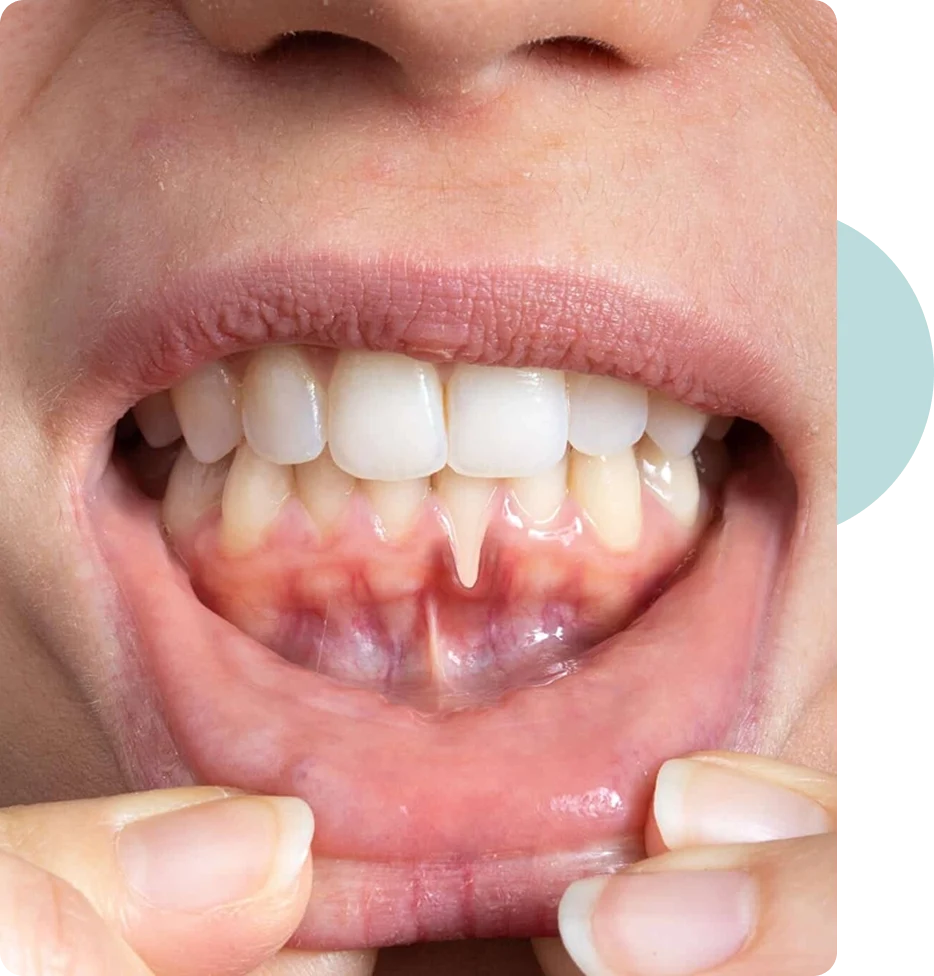

Gum disease treatment options in Abu Dhabi
Treatment depends on the stage of gum disease, gum pocket depth, bone support, plaque buildup, and the patient’s oral hygiene routine. The first step is always a dental and gum assessment.
- Professional teeth cleaning and scaling may help when gum inflammation is caused by plaque and tartar buildup. This is often recommended for early gum problems and maintenance visits.
- Deep cleaning may be needed when plaque and bacteria are below the gum line. The dentist cleans deeper areas around the teeth to reduce inflammation and help the gums heal.
- Gum disease treatment focuses on controlling infection, reducing gum pockets, improving gum health, and protecting the teeth from further support loss. This may include cleaning, medication, follow-up visits, and long-term maintenance.
- Gingivectomy may be recommended in selected cases when excess or diseased gum tissue needs reshaping. You can learn more about gingivectomy in Abu Dhabi.
- Bone grafting may be discussed if gum disease has caused bone loss around teeth or if the patient is preparing for dental implants.
Start Your Journey To a Perfect Smile
Reach out to us today and take the first step toward achieving the beautiful, healthy smile you deserve.
Gum disease treatment procedure steps
The treatment starts with a gum examination. The dentist checks bleeding, gum pockets, tartar buildup, gum recession, tooth mobility, bite pressure, and bone support. X-rays may be needed to understand whether the infection has affected the bone around the teeth.
If the condition is mild, the dentist may begin with teeth scaling and oral hygiene guidance. If the disease is deeper, the dentist may clean below the gum line and plan follow-up visits to monitor healing. Some patients may need localized medication or additional periodontal treatment.
After the main treatment, maintenance is important. Gum disease can return if plaque control is poor. The dentist may recommend regular cleaning visits, better brushing and flossing technique, and follow-up checks with the periodontics team.
Benefits and limitations of gum disease treatment
Gum disease treatment can reduce bleeding, swelling, bad breath, gum infection, and discomfort. It can also help protect the bone and tissues that support the teeth. Early treatment may prevent the condition from becoming more serious and reduce the risk of tooth mobility.
The limitation is that advanced gum disease may not be fully reversed. Treatment can control the infection and slow further damage, but lost gum or bone tissue may not always return naturally. In advanced cases, the dentist may recommend bone grafting, teeth restoration, dental bridges, or dental implants depending on tooth stability.
Good results also depend on daily care. Brushing, flossing, smoking control, diabetes control, and regular dental visits are important for long-term gum health.
Side effects and risks of gum disease treatment
Some patients may feel temporary sensitivity, gum tenderness, mild bleeding, or discomfort after deep cleaning or periodontal treatment. These effects usually improve as the gums heal.
In advanced cases, teeth may feel more exposed after inflammation goes down because swelling reduces and gum recession becomes clearer. This does not always mean the treatment caused the recession. It may reveal damage that was already present.
If gum disease is not treated, the risks are more serious. Untreated gum infection may lead to deeper gum pockets, bone loss, tooth mobility, tooth loss, and problems with future treatments such as dental implants or cosmetic dentistry.
Cost of gum disease treatment in Abu Dhabi
The cost of gum disease treatment in Abu Dhabi varies depending on the stage of the disease, gum pocket depth, amount of tartar buildup, number of visits, X-rays, deep cleaning needs, and whether additional periodontal treatment is required.
Simple gum inflammation may need cleaning and follow-up, while advanced gum disease may need deeper treatment and maintenance. Because the cost depends on diagnosis, the best way to know the price is to visit the clinic for a gum assessment.
Insurance and payment options for gum disease treatment
Insurance coverage for gum disease treatment may vary depending on the provider, policy, diagnosis, and pre-approval rules. Patients can contact Al Safwa Medical Center to check coverage with Thiqa, ADNIC, NAS, Daman, or Oman Insurance / Sukoon.
Payment options may include flexible solutions such as Tabby and selected offers through Fazaa, depending on eligibility and clinic policy.
FAQs about gum disease treatment in Abu Dhabi
Here are some answers to commonly asked questions about our Medical services
What is gum disease treatment?
Gum disease treatment is dental care that removes plaque and bacteria around the gums, reduces inflammation, and helps protect the tissues and bone supporting the teeth.
What are the early signs of gum disease?
Early signs include bleeding gums, redness, swelling, bad breath, gum tenderness, and tartar buildup. A visit for teeth scaling may help in early cases.
Is bleeding gums serious?
Bleeding gums can be an early sign of gum inflammation or gum disease. If bleeding continues, it is better to book a dental checkup instead of ignoring it.
Can gum disease cause tooth loss?
Yes. Advanced gum disease can damage the bone and tissues supporting the teeth, which may lead to loose teeth or tooth loss if untreated.
Is gum disease treatment painful?
Most gum treatments are manageable. The dentist may use local anesthesia for deeper cleaning or sensitive areas to make the treatment more comfortable.
How long does gum disease treatment take?
It depends on the severity. Mild cases may need one cleaning visit and follow-up, while deeper gum disease may need several visits and maintenance appointments
Can gum disease come back after treatment?
Yes. Gum disease can return if plaque control is poor. Regular brushing, flossing, professional cleaning, and follow-up visits are important.
Do I need deep cleaning for gum disease?
Deep cleaning may be needed if bacteria and tartar are below the gum line or if gum pockets are present. The dentist will decide after examining your gums.
Can gum disease affect dental implants?
Yes. Gum and bone health are important before and after dental implants. Untreated gum disease may affect implant planning and long-term stability
How much does gum disease treatment cost in Abu Dhabi?
The cost varies based on gum disease stage, cleaning depth, number of visits, and treatment needs. You can contact Al Safwa Medical Center to check prices after examination.
