
Dental bone grafting in Abu Dhabi
Dental bone grafting in Abu Dhabi helps rebuild weak or missing jawbone before treatments such as dental implants or after bone loss caused by gum disease, infection, trauma, or tooth loss.
Who needs dental bone grafting in Abu Dhabi?
Dental bone grafting may be needed when the jawbone is not strong, wide, or high enough to support future treatment. This is common after long-term tooth loss, advanced gum disease, dental infection, facial trauma, or previous extractions. Patients planning dental implants in Abu Dhabi may need a bone graft first if the implant area does not have enough bone support.
A dentist may also recommend bone grafting when there is bone loss around teeth due to gum disease treatment, after wisdom teeth removal, before dental bridges, or as part of a wider periodontics treatment plan.
Dental bone grafting treatment options
The right bone grafting option depends on the amount of bone loss, implant plan, gum condition, infection risk, and the location of the missing tooth.
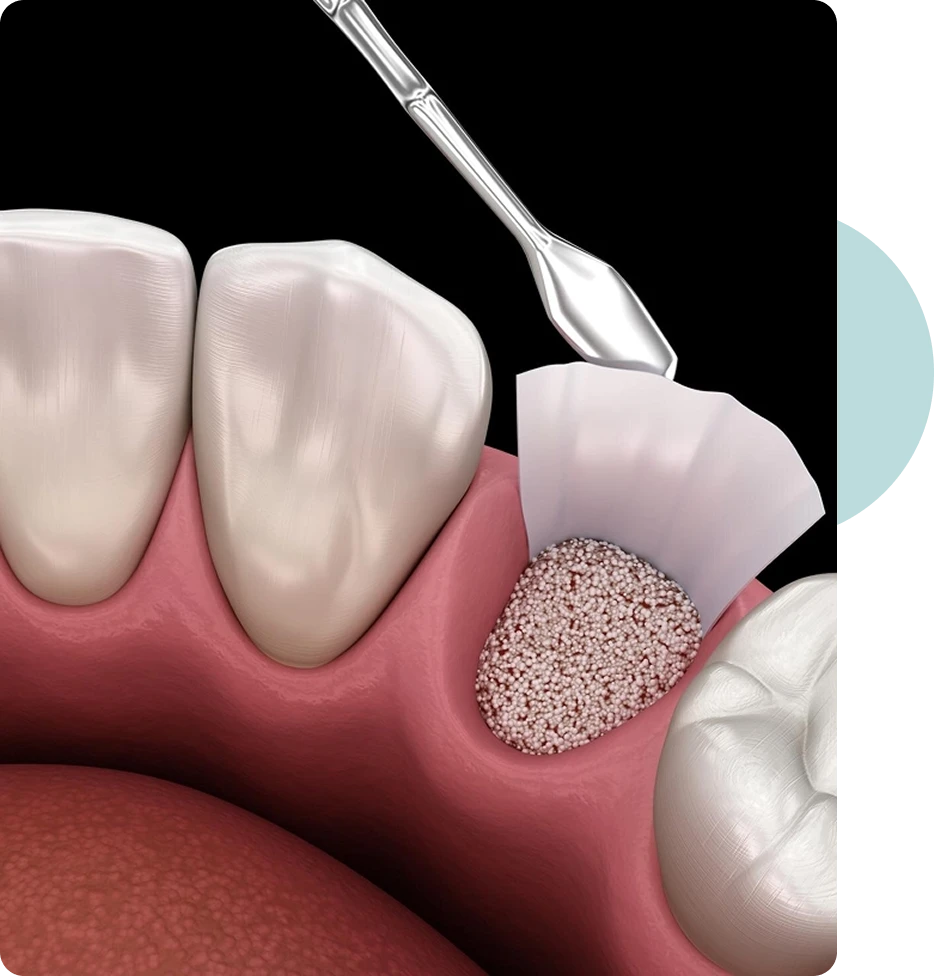
- Socket preservation may be done after tooth removal to reduce bone shrinkage and prepare the area for a future implant.
- Ridge augmentation helps rebuild jawbone width or height when the bone has already reduced after tooth loss.
- Sinus lift grafting may be needed for upper back teeth when the sinus is close to the implant area and there is not enough bone height.
- Periodontal bone grafting may be used around teeth affected by gum disease when bone support has been damaged. This is usually planned with gum disease treatment and other periodontics services.
- Implant-related bone grafting is planned when the patient wants dental implants but the jawbone needs rebuilding first.
Start Your Journey To a Perfect Smile
Reach out to us today and take the first step toward achieving the beautiful, healthy smile you deserve.
Dental bone grafting procedure steps
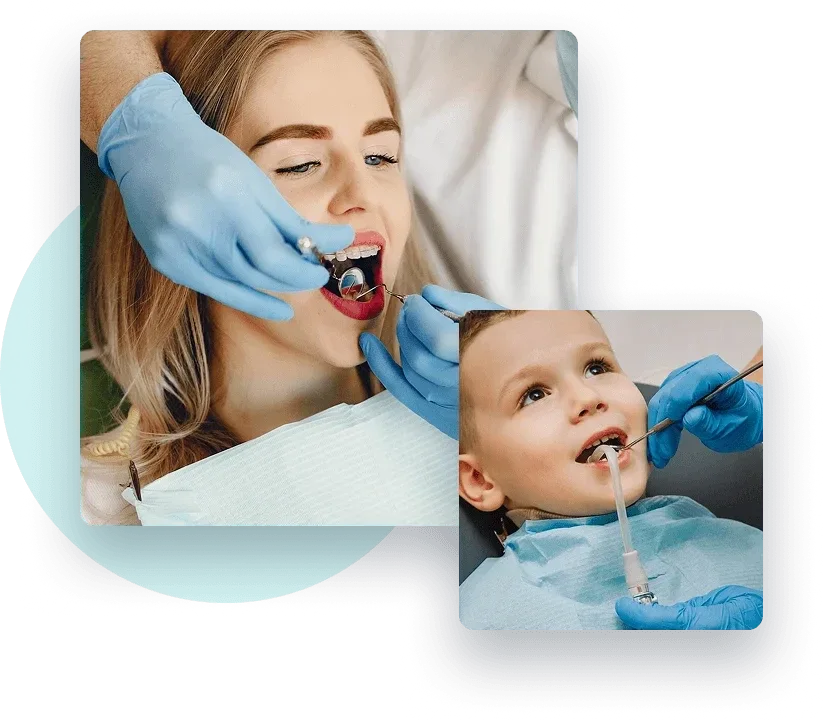
The procedure starts with a dental examination and imaging. The dentist checks the jawbone, gums, missing tooth area, bite, medical history, and treatment goal. If there is active infection, gum inflammation, or untreated decay, the dentist may recommend root canal treatment, tooth fillings, teeth scaling, or gum disease treatment first.
During the grafting procedure, the area is numbed with local anesthesia. The dentist places the grafting material in the planned area and may cover it with a protective membrane when needed. The gum tissue is then closed to protect the graft during healing.
After treatment, the graft needs time to integrate with the natural bone. Healing time varies by case, graft size, general health, smoking status, oral hygiene, and whether the graft is part of an implant plan. Once healing is complete, the dentist can assess whether the area is ready for dental implant placement or another restorative treatment such as teeth restoration.
Benefits and limitations of dental bone grafting
Dental bone grafting can help rebuild jawbone support, improve implant readiness, reduce bone defects, and protect long-term oral function. It can also make future treatments such as dental implants, dental bridges, or wider teeth restoration more predictable in selected cases.
The main limitation is that bone grafting needs healing time. It is not always possible to place an implant immediately after grafting. Some patients may need several months before the next stage. Results also depend on oral hygiene, gum health, smoking, medical conditions, and following aftercare instructions.
Bone grafting does not replace the need to treat the cause of bone loss. If the bone loss is related to gum disease, treatment should include periodontics care and long-term maintenance. If bone loss is related to missing teeth, the dentist may discuss replacement options such as dental implants or dental bridges.
Side effects and risks of dental bone grafting
After dental bone grafting, mild swelling, tenderness, bleeding, bruising, or discomfort can happen during the first few days. These symptoms are usually managed with aftercare instructions and medication prescribed by the dentist.
Possible risks include infection, delayed healing, graft exposure, graft failure, gum irritation, or the need for additional grafting. Risk can be higher with smoking, uncontrolled diabetes, poor oral hygiene, active gum disease, or ignoring aftercare instructions.
Patients should contact the clinic if pain gets worse, swelling increases, bleeding does not stop, or there is fever, pus, bad taste, or graft material coming out. Before grafting, the dentist should also check for problems that may affect healing, including gum disease, tooth infection, or jaw-related concerns that may need maxillofacial care.
Cost of dental bone grafting in Abu Dhabi
The cost of dental bone grafting in Abu Dhabi varies depending on the graft size, graft type, number of areas treated, imaging needs, surgical complexity, membrane use, healing requirements, and whether the graft is part of a dental implant plan.
Because bone grafting is case-dependent, the exact price should be confirmed after examination and imaging. The dentist will explain whether you need a simple graft, a larger ridge graft, sinus lift grafting, or grafting linked to teeth restoration.
Insurance and payment options for dental bone grafting
Insurance coverage for dental bone grafting depends on the reason for treatment, policy terms, medical necessity, provider approval, and whether the graft is linked to periodontal treatment, oral surgery, or implant planning. Patients can contact Al Safwa Medical Center to check coverage with Thiqa, ADNIC, NAS, Daman, or Oman Insurance / Sukoon.
Payment options may include flexible payment solutions such as Tabby or selected offers through Fazaa, depending on eligibility and clinic policy.
FAQs about dental bone grafting in Abu Dhabi
Here are some answers to commonly asked questions about our Medical services
What is dental bone grafting?
Dental bone grafting is a procedure used to rebuild or support jawbone in areas affected by tooth loss, gum disease, infection, trauma, or bone shrinkage.
Why do I need bone grafting before dental implants?
You may need bone grafting before dental implants if the jawbone is not strong or thick enough to support the implant safely.
Is dental bone grafting painful?
The area is usually numbed with local anesthesia during the procedure. Some soreness, swelling, or tenderness may happen after treatment, but the dentist will give aftercare instructions.
How long does dental bone grafting take to heal?
Healing time varies by graft size, location, health condition, and treatment plan. Some cases need several months before the dentist can move to the next stage.
Can bone grafting and dental implants be done together?
In some cases, yes. In other cases, the bone graft must heal first before implant placement. The decision depends on bone quality and treatment complexity.
Is bone grafting always needed for implants?
No. Some patients have enough bone for implants without grafting. Others need grafting because of long-term tooth loss, infection, gum disease, or bone shrinkage.
What happens if I do not get a needed bone graft?
If the bone is too weak or thin, implant placement may not be stable or may not be recommended. The dentist may discuss grafting, dental bridges, or other restorative options.
Can gum disease cause bone loss?
Yes. Advanced gum disease can damage the bone that supports the teeth. Patients may need gum disease treatment and ongoing periodontal care.
How much does dental bone grafting cost in Abu Dhabi?
The cost varies depending on graft size, material, surgical complexity, imaging, and whether it is part of an implant plan. The clinic can confirm the price after examination.
How do I know if I need dental bone grafting?
A dentist needs to examine your mouth and review imaging to check bone height, width, density, gum health, and future treatment needs.
