
Fluoride treatment in Abu Dhabi
Fluoride treatment in Abu Dhabi helps protect children’s teeth from cavities by strengthening enamel and supporting early decay prevention. At Al Safwa Medical Center, this preventive treatment is part of pediatric dentistry care for children who need extra cavity protection.
Who needs fluoride treatment in Abu Dhabi?
Fluoride treatment may be recommended for children who are more likely to develop cavities, especially if they have weak enamel, early white spots, frequent tooth decay, deep grooves in back teeth, poor brushing habits, or a high-sugar diet. It can also support children who already needed tooth fillings or who need a stronger prevention plan with dental sealants.
Children wearing metal braces, ceramic braces, or Invisalign may also need extra protection because plaque can collect around brackets, attachments, or hard-to-clean areas. During a visit, the dentist checks whether fluoride alone is enough or if the child also needs cleaning, sealants, fillings, or other general dentistry care.
Fluoride treatment options for children
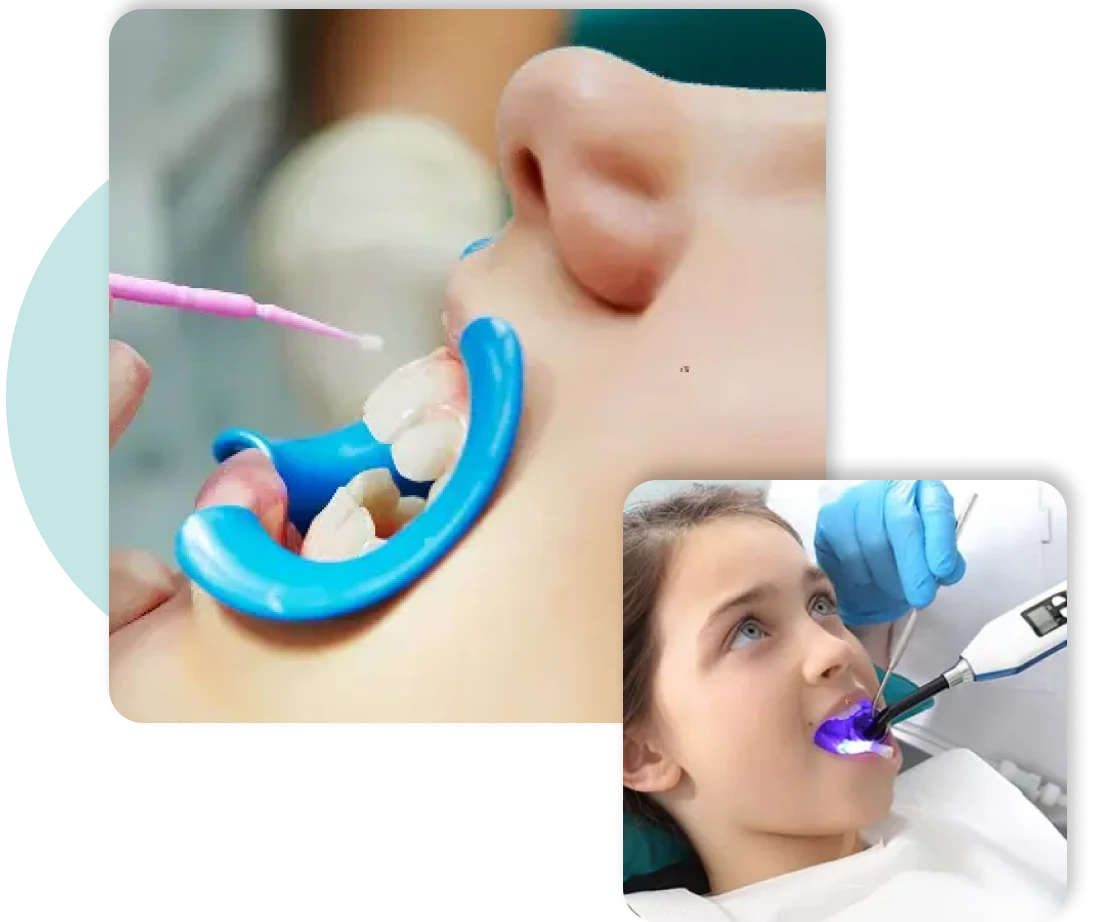
The dentist may recommend professional fluoride varnish, gel, foam, or another suitable fluoride application based on the child’s age, cavity risk, tooth condition, and ability to cooperate during the visit. The goal is to place fluoride directly on the teeth in a controlled way so it can support enamel strength.
Fluoride may also be part of a wider prevention plan. A child with deep back-tooth grooves may benefit from dental sealants, while a child with plaque buildup may need teeth scaling or professional cleaning first. If decay has already created a cavity, the dentist may recommend tooth fillings instead of prevention alone.
Start Your Journey To a Perfect Smile
Reach out to us today and take the first step toward achieving the beautiful, healthy smile you deserve.
Fluoride treatment procedure steps
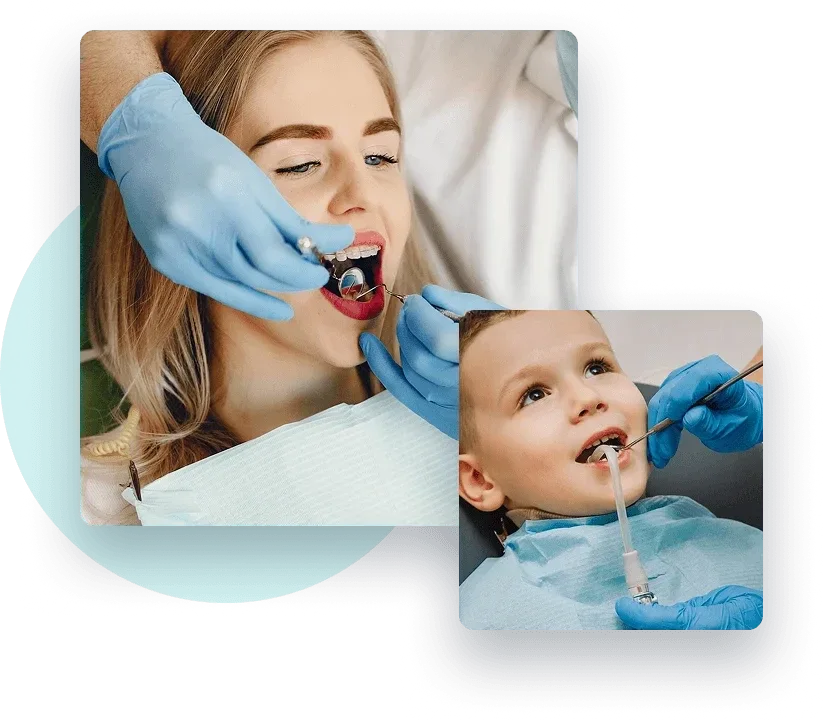
The visit usually starts with a dental checkup. The dentist examines the child’s teeth, gums, bite, brushing habits, and signs of early decay. If there is plaque buildup, food trapping, or gum irritation, the dentist may clean the teeth before applying fluoride.
After the teeth are ready, fluoride is applied to the tooth surfaces using the method selected by the dentist. The application is quick and usually comfortable for children. The dentist may focus more on areas that are harder to clean, such as back teeth, grooves, spaces between teeth, and areas around orthodontic appliances.
After the procedure, the dentist explains how to care for the teeth at home, when to repeat fluoride treatment, and whether the child also needs dental sealants, space maintainers, or follow-up care with the pediatric dentistry team.
Benefits and limitations of fluoride treatment
Fluoride treatment can help strengthen enamel, reduce the risk of cavities, slow early enamel weakness, and support better protection for children who are prone to decay. It is quick, simple, and useful as part of routine children’s dental care at Al Safwa Medical Center.
However, fluoride is not a replacement for daily brushing, flossing, healthy eating habits, and regular dental checkups. It also cannot repair a tooth after decay has turned into a cavity. If the child already has tooth decay, pain, or a broken tooth, the dentist may recommend tooth fillings, pulpotomy, or another treatment depending on the depth of the problem.
Side effects and risks of fluoride treatment
Professional fluoride treatment is generally safe when applied by a dentist in the right amount for the child’s age and dental condition. Some children may notice a temporary taste, light coating on the teeth, or mild stomach discomfort if too much fluoride is swallowed.
The main risk comes from excessive fluoride exposure over time, especially in young children who swallow toothpaste or use fluoride products incorrectly at home. That is why the dentist should guide parents on the right amount of toothpaste, brushing supervision, and how often the child needs professional fluoride.
If the child has allergies, swallowing difficulties, active mouth sores, or special medical concerns, the parent should tell the dentist before treatment. The dentist can then adjust the preventive plan or recommend another option within pediatric dentistry.
Cost of fluoride treatment in Abu Dhabi
The cost of fluoride treatment in Abu Dhabi varies depending on the child’s age, tooth condition, cavity risk, type of fluoride application, and whether it is done alone or with a dental checkup, cleaning, sealants, or fillings. The exact price is confirmed after the dentist checks the child’s teeth.
If the child needs more than fluoride, the dentist may recommend preventive or restorative services such as dental sealants, tooth fillings, or pulpotomy for deeper decay in baby teeth.
Insurance and payment options for fluoride treatment
Insurance coverage for fluoride treatment may vary depending on the child’s policy, age, dental benefits, preventive care limits, and approval rules. Parents can contact Al Safwa Medical Center to check coverage with Thiqa, ADNIC, NAS, Daman, or Oman Insurance / Sukoon.
Payment options may include flexible payment solutions such as Tabby and selected offers through Fazaa, depending on eligibility and clinic policy.
FAQs about fluoride treatment in Abu Dhabi
Here are some answers to commonly asked questions about our Medical services
What is fluoride treatment for children?
Fluoride treatment is a preventive dental treatment that helps strengthen tooth enamel and reduce the risk of cavities in children.
Is fluoride treatment safe for children?
Yes, professional fluoride treatment is generally safe when applied by a dentist in the right amount for the child’s age and dental needs.
At what age can a child get fluoride treatment?
The right age depends on the child’s cavity risk, oral hygiene, diet, and dental development. A dentist can decide during a pediatric dentistry visit.
Does fluoride treatment prevent all cavities?
No. Fluoride lowers cavity risk, but it does not replace brushing, flossing, healthy eating, regular checkups, or dental sealants when needed.
How often does my child need fluoride treatment?
It depends on cavity risk. Some children may need it during routine checkups, while children with frequent cavities may need it more often based on the dentist’s advice.
Is fluoride treatment painful?
No. Fluoride application is usually quick and painless. Most children tolerate it well during a regular dental visit.
Can fluoride repair cavities?
Fluoride can support weak enamel in early stages, but it cannot repair a formed cavity. If decay has created a hole, the child may need tooth fillings.
Is fluoride treatment useful with braces?
Yes, children and teenagers with braces may benefit from fluoride because plaque can collect around brackets and wires. It can support prevention during orthodontic treatment.
How much does fluoride treatment cost in Abu Dhabi?
The cost varies depending on the child’s case, type of application, and whether other treatments are needed. Parents can contact Al Safwa Medical Center to check prices.
hould fluoride be combined with dental sealants?
It may be recommended for some children. Fluoride protects enamel, while dental sealants protect the grooves of back teeth where food and bacteria often collect.
