
Wisdom teeth removal in Abu Dhabi
Wisdom teeth removal in Abu Dhabi helps patients treat pain, swelling, infection, crowding pressure, or impacted third molars before they cause bigger dental problems. At Al Safwa Medical Center, our general dentistry team checks your wisdom teeth and recommends simple extraction or surgical removal based on the tooth position.
Who needs wisdom teeth removal?
You may need wisdom teeth removal if the tooth is painful, partially erupted, impacted under the gum, pushing nearby teeth, causing gum swelling, trapping food, or creating repeated infections. Many patients visit the dentist when they feel pain at the back of the mouth, jaw stiffness, bad breath, or swelling around the gum.
Not every wisdom tooth needs removal. If the tooth is healthy, fully erupted, easy to clean, and not affecting nearby teeth, the dentist may only monitor it during regular checkups. If there is decay in the wisdom tooth or nearby molar, the dentist may also assess whether tooth fillings, teeth restoration, or extraction is the better option.
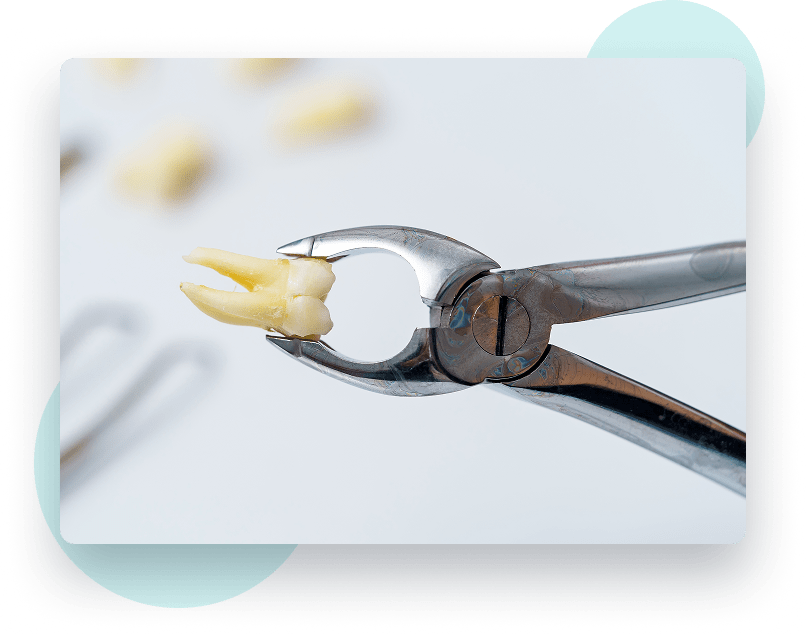
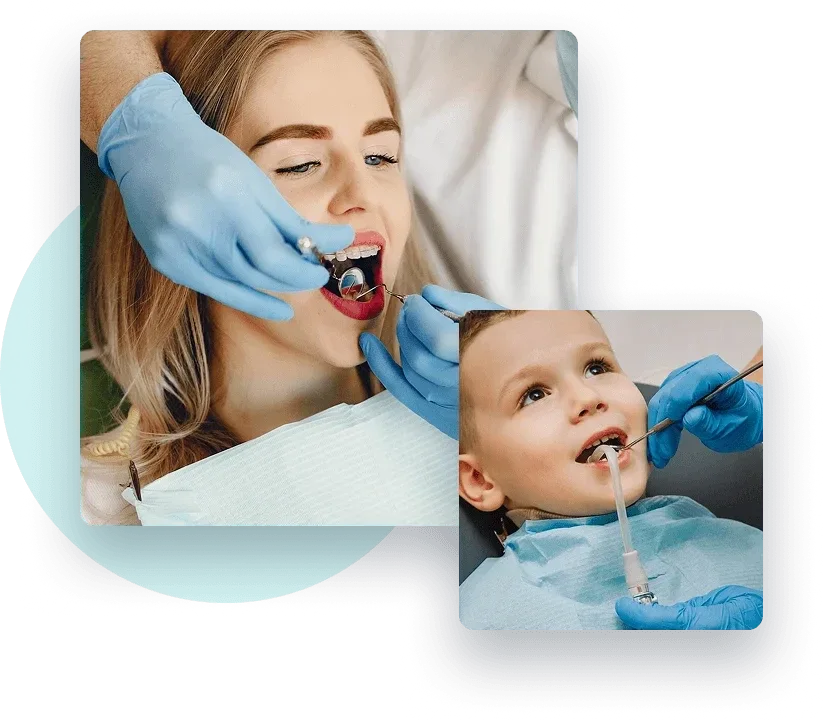
Wisdom teeth removal options in Abu Dhabi
The treatment depends on whether the wisdom tooth is visible, partially erupted, deeply impacted, infected, or close to important nerves and surrounding structures.
- Simple wisdom tooth extraction may be used when the tooth is visible in the mouth and can be removed without surgery. This is usually managed within general dentistry after proper examination and X-ray review.
- Surgical wisdom tooth removal may be needed when the tooth is impacted, covered by gum or bone, tilted toward the second molar, or difficult to access. In complex cases, the dentist may involve the maxillofacial surgery team.
- Infection control before extraction may be required when the gum is swollen, painful, or infected. The dentist may first manage inflammation, clean the area, and then schedule the extraction when it is safer.
- Monitoring without removal may be suitable if the wisdom tooth is healthy, painless, fully erupted, and easy to clean. The dentist may still recommend follow-up visits and teeth scaling to reduce plaque buildup around back teeth.
Start Your Journey To a Perfect Smile
Reach out to us today and take the first step toward achieving the beautiful, healthy smile you deserve.
Wisdom teeth removal procedure steps
The procedure starts with a dental examination and X-ray. The dentist checks the tooth angle, root shape, gum condition, nearby molars, and the relation of the wisdom tooth to nerves and bone. This helps decide whether the tooth can be removed simply or needs surgical removal.
Before extraction, the dentist explains the case, anesthesia, expected difficulty, and aftercare instructions. Local anesthesia is used to numb the area. If the tooth is fully visible, the dentist removes it carefully. If the tooth is impacted, the gum may need to be opened and the tooth may be divided into smaller parts for safer removal.
After the tooth is removed, the area is cleaned. Stitches may be placed in surgical cases. The dentist gives clear instructions about bleeding control, eating, brushing, medication, swelling, and when to return for follow-up.
Benefits and limitations of wisdom teeth removal
Wisdom teeth removal can help stop repeated pain, swelling, gum infection, food trapping, bad breath, pressure on nearby teeth, and damage to the second molar. It can also reduce the risk of future complications when the wisdom tooth is impacted or difficult to clean.
The main limitation is that not every symptom at the back of the mouth is caused by wisdom teeth. Pain may also come from tooth decay, gum disease, jaw joint problems, or root infection. That is why the dentist may check related services such as gum disease treatment, root canal treatment, or TMJ disorder treatment before confirming the cause.
Side effects and risks of wisdom teeth removal
Common side effects after wisdom teeth removal include mild bleeding, swelling, jaw stiffness, discomfort, and temporary difficulty chewing. These usually improve with proper aftercare and follow-up.
Possible risks include dry socket, infection, delayed healing, prolonged swelling, temporary numbness, or damage to nearby teeth in complex cases. The risk depends on the tooth position, root shape, depth of impaction, oral hygiene, smoking, and how closely aftercare instructions are followed.
You should contact the clinic if pain gets worse after a few days, bleeding does not stop, swelling increases, fever appears, or there is a bad taste or smell from the extraction area.
Cost of wisdom teeth removal in Abu Dhabi
The cost of wisdom teeth removal in Abu Dhabi varies depending on the tooth position, whether the extraction is simple or surgical, the X-ray needed, the level of impaction, and whether the case needs a general dentist or a maxillofacial surgeon.
A simple extraction usually costs less than surgical removal of an impacted wisdom tooth. The exact price is confirmed after examination and X-ray review.
Insurance and payment options
Insurance coverage for wisdom teeth removal may vary depending on the policy, dental benefits, medical necessity, and pre-approval requirements. Al Safwa Medical Center can help you check coverage with providers such as Thiqa, ADNIC, NAS, Daman, or Oman Insurance / Sukoon.
Payment options may include flexible payment solutions such as Tabby and selected offers through Fazaa, depending on eligibility and clinic policy.
FAQs about wisdom teeth removal in Abu Dhabi
Here are some answers to commonly asked questions about our Medical services
When should wisdom teeth be removed?
Wisdom teeth may need removal when they cause pain, swelling, infection, food trapping, decay, gum problems, or pressure on nearby teeth.
Does every wisdom tooth need removal?
No. A healthy, fully erupted, painless wisdom tooth that is easy to clean may not need removal. The dentist can monitor it during regular visits.
Is wisdom tooth removal painful?
The area is numbed with local anesthesia, so you should not feel sharp pain during the procedure. Some soreness and swelling may happen after the anesthesia wears off.
What is the difference between simple and surgical wisdom tooth removal?
Simple extraction is used when the tooth is visible and easy to access. Surgical removal is needed when the tooth is impacted, covered by gum or bone, or positioned at a difficult angle.
How long does recovery take after wisdom tooth removal?
Most patients feel better within a few days, but surgical cases may need more time. Healing depends on the tooth position, extraction difficulty, oral hygiene, and aftercare.
Can wisdom teeth cause bad breath?
Yes. Partially erupted wisdom teeth can trap food and bacteria, which may cause bad breath, gum inflammation, and repeated infection.
Can wisdom teeth damage nearby teeth?
Yes. Impacted or tilted wisdom teeth may press against the second molar, trap food, increase decay risk, or affect gum health around nearby teeth.
What should I avoid after wisdom tooth removal?
Avoid smoking, spitting forcefully, drinking through a straw, hard foods, and touching the extraction area. These habits may increase bleeding or dry socket risk.
How much does wisdom teeth removal cost in Abu Dhabi?
The cost varies depending on whether the extraction is simple or surgical, the tooth position, X-ray needs, and case complexity. The exact price is confirmed after examination.
ho performs wisdom teeth removal?
Simple cases may be handled by a general dentist. Complex or impacted cases may need a maxillofacial surgeon after proper assessment.
