
Facial trauma surgery in Abu Dhabi
Facial trauma surgery in Abu Dhabi helps treat injuries affecting the jaw, mouth, teeth, lips, cheeks, and facial bones. At Al Safwa Medical Center, our maxillofacial team assesses facial injuries and plans the right treatment based on the type and severity of trauma.
Who needs facial trauma surgery in Abu Dhabi?
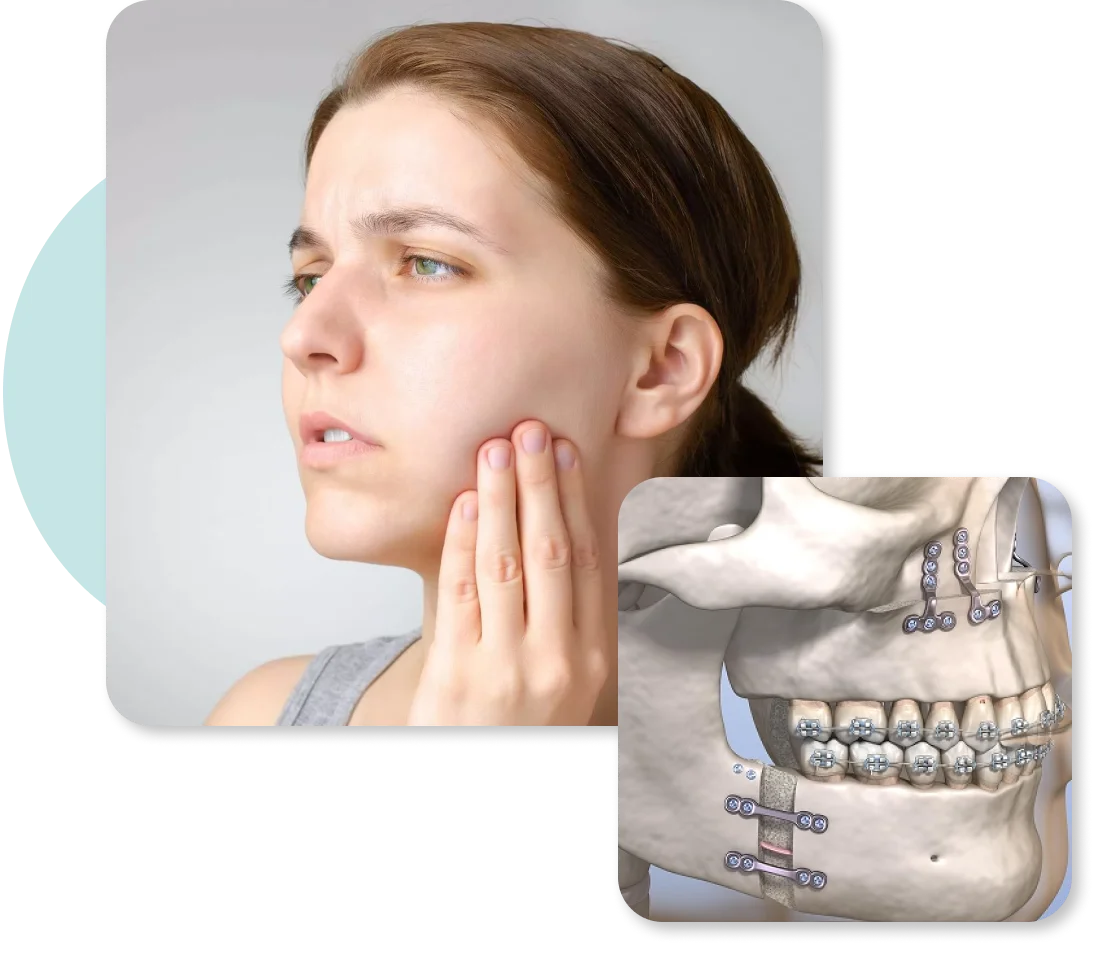
Facial trauma surgery may be needed after accidents, falls, sports injuries, workplace injuries, or direct impact to the face. A patient should seek urgent assessment if there is jaw pain, facial swelling, bleeding, broken teeth, difficulty biting, limited mouth opening, numbness, cuts inside the mouth, or a visible change in facial shape.
Some injuries affect only the soft tissues, while others involve the jawbone, facial bones, teeth, or temporomandibular joint. If the injury affects the bite or jaw movement, the patient may also need assessment for jaw surgery or TMJ disorder treatment. If teeth are cracked, displaced, or missing after trauma, treatment may involve teeth restoration, teeth crowns, root canal treatment, or dental implants.
Severe bleeding, breathing difficulty, loss of consciousness, eye injury, or major head trauma needs immediate hospital emergency care.
Facial trauma treatment options available
Facial trauma treatment depends on the injured area, bone stability, wound depth, dental damage, and bite condition. The dentist or maxillofacial surgeon may combine more than one treatment in the same plan.
- Soft tissue repair may be needed for cuts affecting the lips, cheeks, gums, or inside the mouth. The goal is to clean the wound, reduce infection risk, and support proper healing.
- Jaw fracture management may be needed when the upper or lower jaw is broken or displaced. If the bite changes after trauma, the patient may need jaw surgery or stabilization depending on the fracture.
- Dental trauma treatment may be needed when teeth are chipped, cracked, loosened, pushed out of position, or lost. Treatment may include tooth fillings, teeth crowns, root canal treatment, dental bridges, or dental implants depending on the case.
- TMJ assessment after injury may be needed when the patient has jaw clicking, pain, locking, or difficulty opening the mouth after trauma. In this case, the dentist may evaluate the need for TMJ disorder treatment.
- Gum and bone support may be needed when trauma affects the gums or supporting bone around teeth. Some patients may need periodontics, gum disease treatment, or bone grafting before final restoration.
Start Your Journey To a Perfect Smile
Reach out to us today and take the first step toward achieving the beautiful, healthy smile you deserve.
Facial trauma surgery procedure steps
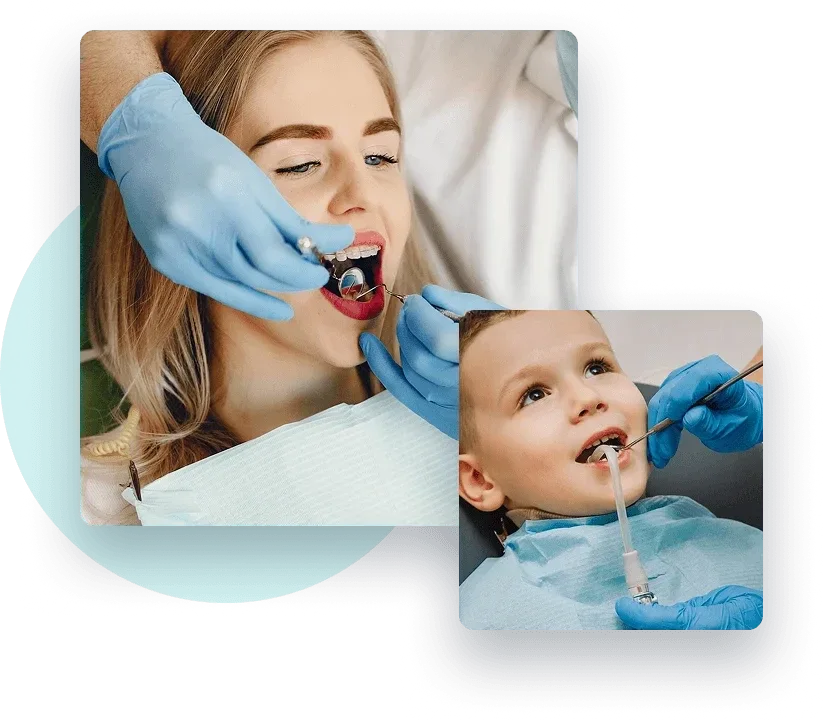
The first step is a careful clinical examination. The dentist or surgeon checks the wound, swelling, bite, jaw movement, tooth position, gum condition, bleeding, and nerve sensation. The patient may need dental X-rays or referral for advanced imaging if a fracture is suspected.
The next step is stabilizing the injury. This may include cleaning the wound, controlling bleeding, managing pain, protecting damaged teeth, and deciding whether the injury can be treated in the clinic or needs hospital-based surgical care. If teeth are damaged, the dentist may coordinate treatment through general dentistry, endodontics, or dental implants depending on the tooth condition.
If surgery is needed, the plan may include wound repair, fracture reduction, fixation, removal of damaged tissue, or treatment of injured teeth and gums. After the procedure, follow-up visits are important to check healing, bite alignment, infection signs, jaw movement, and the need for further restorative treatment.
Benefits and limitations of facial trauma surgery
Facial trauma surgery can help restore function, improve healing, protect facial structure, and reduce long-term complications after an injury. Treatment may help improve biting, chewing, speech, mouth opening, facial balance, and the health of injured teeth and gums.
Early assessment is important because untreated trauma can lead to bite problems, tooth loss, infection, jaw stiffness, facial asymmetry, or long-term TMJ pain. When teeth are affected, early care may reduce the need for complex future treatments such as teeth restoration, teeth crowns, dental bridges, or dental implants.
The limitation is that not every injury can be treated in a dental clinic. Severe trauma, complex fractures, head injuries, eye injuries, or injuries requiring general anesthesia may need hospital care or a multidisciplinary surgical team.
Side effects and risks of facial trauma surgery
Possible risks depend on the type and severity of the injury. They may include infection, swelling, bleeding, pain, scarring, temporary or lasting numbness, bite changes, limited jaw movement, delayed healing, or the need for additional procedures.
Dental trauma can also cause delayed tooth problems. A tooth may look stable at first but later develop nerve damage, discoloration, sensitivity, infection, or mobility. In these cases, treatment may involve root canal treatment, apicoectomy, teeth crowns, or replacement options.
Risks are reduced when the injury is assessed early, wounds are cleaned properly, fractures are stabilized when needed, and follow-up visits are completed. Patients should report increasing pain, swelling, fever, bad taste, pus, bite changes, or difficulty opening the mouth.
Cost of facial trauma surgery in Abu Dhabi
The cost of facial trauma surgery in Abu Dhabi varies depending on the type of injury, number of affected areas, imaging needs, wound repair, fracture management, dental damage, anesthesia, follow-up visits, and whether hospital care is required. A small soft tissue injury is not priced the same as a jaw fracture or a case involving several broken teeth.
If teeth are damaged, the total plan may also include treatments such as tooth fillings, teeth crowns, root canal treatment, dental bridges, or dental implants. The clinic can provide a clearer estimate after examination.
Insurance and payment information
Insurance coverage for facial trauma surgery may vary depending on the cause of injury, medical necessity, policy terms, approval rules, and whether treatment is done in the clinic or hospital. Patients can contact Al Safwa Medical Center to check coverage with providers such as Thiqa, ADNIC, NAS, Daman, or Oman Insurance / Sukoon.
Payment options may include selected flexible payment solutions such as Tabby and offers through Fazaa, depending on eligibility and clinic policy.
FAQs about facial trauma surgery in Abu Dhabi
Here are some answers to commonly asked questions about our Medical services
What is facial trauma surgery?
Facial trauma surgery treats injuries affecting the face, jaw, mouth, teeth, gums, and facial bones. It may involve wound repair, fracture care, dental trauma treatment, or jaw function restoration.
When should I see a dentist after facial trauma?
You should see a dentist or maxillofacial specialist as soon as possible if you have broken teeth, jaw pain, swelling, bleeding, bite changes, loose teeth, mouth cuts, or difficulty opening your mouth.
Is facial trauma always treated with surgery?
No. Some injuries only need cleaning, monitoring, splinting, dental repair, or medication. Surgery may be needed when there are deep wounds, displaced fractures, bite problems, or serious structural damage.
Can facial trauma affect my bite?
Yes. Jaw injuries can change how the upper and lower teeth meet. If the bite feels different after injury, assessment for jaw surgery may be needed.
What happens if a tooth breaks during an accident?
A broken tooth may need tooth fillings, bonding, teeth crowns, or root canal treatment depending on the depth of damage.
Can a knocked-out tooth be saved?
In some cases, yes, but timing is critical. A knocked-out permanent tooth needs urgent dental care. The dentist will assess whether reimplantation, restoration, or replacement is possible.
Can facial trauma cause TMJ problems?
Yes. Trauma can affect the jaw joint and cause pain, clicking, locking, or limited opening. The patient may need TMJ disorder treatment after assessment.
How long does healing take after facial trauma surgery?
Healing time depends on the injury. Soft tissue wounds may heal faster than fractures or dental injuries. The dentist or surgeon will explain follow-up timing based on your case.
Is facial trauma surgery covered by insurance?
Coverage depends on the injury, medical necessity, insurance provider, policy rules, and approval requirements. The clinic can help check coverage with your provider.
Can Al Safwa treat dental injuries after facial trauma?
Yes, Al Safwa Medical Center can assess dental injuries and plan related treatments such as teeth restoration, root canal treatment, teeth crowns, or other suitable dental care.
