
Dental bridges in Abu Dhabi
Dental bridges in Abu Dhabi are used to replace one or more missing teeth with a fixed restoration supported by nearby teeth or implants. At Al Safwa Medical Center, the dentist checks your bite, gum health, tooth strength, and replacement options before planning a dental bridge.
Who needs dental bridges in Abu Dhabi?
Dental bridges may suit patients who have one or more missing teeth and want a fixed replacement that does not need to be removed daily. A bridge can help restore chewing, speech, smile appearance, and the space left by a missing tooth.
A dental bridge may be considered when the teeth beside the gap are strong enough to support it, or when implants are used as supports. If the neighboring teeth are weak, badly decayed, or already heavily restored, the dentist may compare bridges with dental implants, teeth restoration, or teeth crowns.
Dental bridges may not be the first option if there is active gum disease, untreated decay, bone loss, or poor oral hygiene. In these cases, the dentist may recommend gum disease treatment, tooth fillings, or root canal treatment before placing a bridge
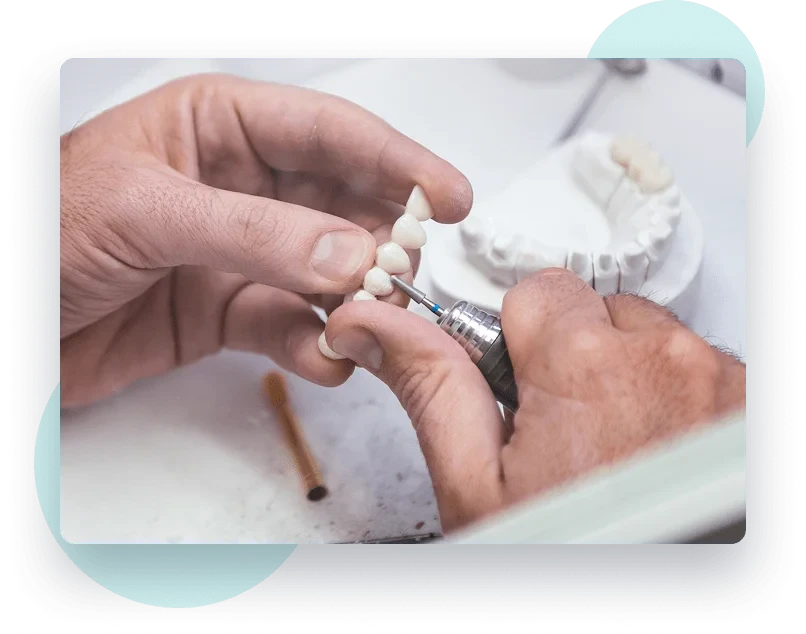
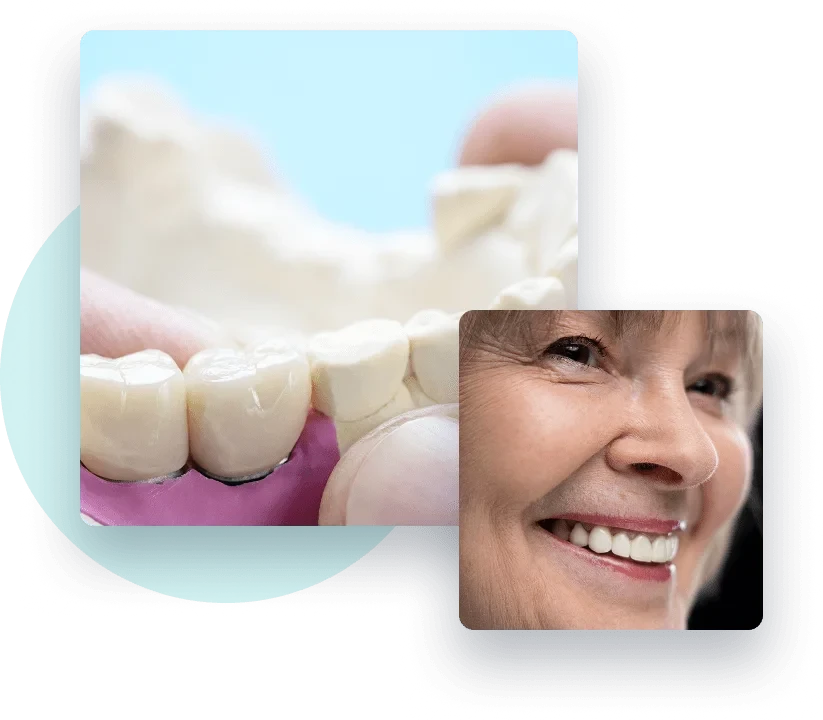
Dental bridge options in Abu Dhabi
The right dental bridge depends on the number of missing teeth, the condition of nearby teeth, gum health, bite pressure, and whether implants are needed.
- Traditional dental bridge is supported by natural teeth on both sides of the missing tooth. These supporting teeth are usually prepared and covered with crowns. This option may suit patients who have strong neighboring teeth and need a fixed tooth replacement.
- Cantilever dental bridge is supported by one neighboring tooth only. It is less common and depends heavily on bite force and the location of the missing tooth. The dentist decides carefully whether this option is safe for your case.
- Implant-supported bridge is supported by dental implants instead of natural teeth. It may be recommended when several teeth are missing or when the dentist wants to avoid preparing healthy neighboring teeth. This option may be discussed with dental implants in Abu Dhabi.
- Temporary bridge may be used during the treatment process while the final bridge is being made. It protects the prepared teeth and helps maintain appearance until the permanent bridge is ready.
Start Your Journey To a Perfect Smile
Reach out to us today and take the first step toward achieving the beautiful, healthy smile you deserve.
Dental bridge procedure steps
The dental bridge procedure starts with a full examination. The dentist checks the missing tooth area, nearby teeth, gums, bite, bone level, and X-rays if needed. This step helps decide whether a bridge, implant, crown, or another restoration is more suitable.
If the supporting teeth have decay or old fillings, they may need treatment first. This may include tooth fillings, root canal treatment, or teeth crowns depending on tooth condition. If gum inflammation is present, teeth scaling or periodontal treatment may be needed before the bridge.
For a traditional bridge, the supporting teeth are prepared and shaped. The dentist takes impressions or digital scans, then places a temporary bridge if needed. The final bridge is made in the dental lab to match the bite, shape, and shade of your teeth.
At the fitting visit, the dentist checks comfort, bite alignment, gum contact, color, and stability. Once everything fits properly, the bridge is cemented or fixed in place. The dentist then explains how to clean under and around the bridge.
Benefits and limitations of dental bridges
Dental bridges can restore the appearance of missing teeth and help improve chewing and speech. They are fixed, so the patient does not remove them like removable dentures. A bridge can also help prevent nearby teeth from shifting into the empty space.
A bridge may be faster than some implant treatments because it does not always require surgery or healing time. It may also be useful when the neighboring teeth already need crowns, because the bridge can replace the missing tooth and protect the supporting teeth at the same time.
However, dental bridges have limits. A traditional bridge requires preparation of nearby teeth. The area under the bridge must be cleaned carefully every day to avoid gum inflammation, decay, and bad breath. If the supporting teeth become weak, infected, or loose, the bridge may fail.
If the patient wants to avoid preparing healthy teeth, dental implants may be discussed. If the missing tooth area has bone loss, bone grafting may be needed before implant treatment.
Side effects and risks of dental bridges
Dental bridges are common, but they still need accurate planning and daily care. Some patients may feel temporary sensitivity after tooth preparation. The bridge may also feel slightly different at first until the bite and chewing pattern adjust.
Possible risks include decay under the bridge, gum irritation, food trapping, bad breath, bite discomfort, bridge loosening, porcelain chipping, or pain in the supporting teeth. If a supporting tooth has deep decay or nerve inflammation, root canal treatment may become necessary.
Gum health is especially important. If plaque collects around the bridge, the patient may develop gum bleeding or inflammation. Regular teeth scaling and good home cleaning help protect the bridge and nearby teeth.
Cost of dental bridges in Abu Dhabi
The cost of dental bridges in Abu Dhabi depends on the number of missing teeth, number of supporting teeth, bridge material, lab work, tooth condition, gum health, and whether other treatments are needed before the bridge.
At Al Safwa Medical Center, the listed price for a dental bridge is AED 5,000 to AED 8,000 before discount, and AED 2,500 to AED 4,000 after discount. The final price is confirmed after examination because each case may need a different number of units, materials, or preparation steps.
Extra treatment may affect the total cost if the patient needs tooth fillings, teeth crowns, root canal treatment, or gum treatment before placing the bridge.
Insurance and payment options for dental bridges
Dental bridge insurance coverage may vary depending on the reason for treatment, policy type, missing tooth condition, and pre-approval rules. Some policies may cover part of restorative dental treatment, while cosmetic-only cases may have limited coverage.
Patients can contact Al Safwa Medical Center to check coverage with Thiqa, ADNIC, NAS, Daman, or Oman Insurance / Sukoon. The team can also explain available payment options such as Tabby and selected offers through Fazaa, depending on eligibility and clinic policy.
FAQs about dental bridges in Abu Dhabi
Here are some answers to commonly asked questions about our Medical services
What is a dental bridge?
A dental bridge is a fixed dental restoration used to replace one or more missing teeth. It is supported by natural teeth or implants beside the gap
Are dental bridges fixed or removable?
Most dental bridges are fixed. They are cemented or attached in place and are not removed daily by the patient.
How much does a dental bridge cost in Abu Dhabi?
At Al Safwa Medical Center, the listed price for a dental bridge is AED 5,000 to AED 8,000 before discount, and AED 2,500 to AED 4,000 after discount. The final cost depends on the case.
Is a dental bridge better than a dental implant?
It depends on the condition of the teeth, gums, bone, and budget. A bridge may be faster in some cases, while dental implants may avoid preparing healthy neighboring teeth.
Do dental bridges hurt?
Dental bridges can last for years with good oral hygiene, regular checkups, and careful cleaning under the bridge. Their lifespan depends on the supporting teeth and gum health.
How long do dental bridges last?
Emax veneers can last for years with good care, but lifespan depends on oral hygiene, bite pressure, grinding habits, diet, and regular dental checkups
Can food get stuck under a dental bridge?
Yes, food and plaque can collect around or under the bridge if cleaning is poor. Special floss, interdental brushes, or water flossers may be recommended.
Can a dental bridge replace more than one tooth?
Yes, a bridge can replace more than one missing tooth in selected cases. The dentist must check support, bite pressure, and whether implants are needed.
What happens if a bridge becomes loose?
A loose bridge should be checked by a dentist as soon as possible. It may be caused by cement failure, decay, bite pressure, or problems with supporting teeth.
Who is not suitable for a dental bridge?
Patients with untreated gum disease, weak supporting teeth, severe decay, poor oral hygiene, or heavy bite pressure may need other treatment before a bridge is placed.
