
Veneer aftercare: how can you maintain a strong and flawless smile?

Porcelain veneers have become one of the most requested cosmetic treatments among adults in Abu Dhabi seeking a predictable and natural enhancement of their smile. At Al Safwa Medical Center in Bani Yas, veneers are commonly used to correct discoloration, enamel defects, minor misalignment, worn edges, and spacing issues. Patients who undergo veneer treatment with Emax lithium-disilicate ceramics often ask how to preserve their new smile for the long term and how to maintain optimal surface integrity.
This guide explains the essential aftercare steps, the science behind veneer durability, and the clinical considerations your dentist evaluates during follow-up. The goal is to provide patients with clear, accurate information supported by established dental protocols such as ADA recommendations, ISO 4049 material standards, and widely accepted veneer maintenance guidelines used in cosmetic dentistry practices globally.
What makes proper veneer aftercare essential for long-term success?
Porcelain veneers are built to withstand everyday function, and materials like Emax ceramics show high flexural strength and color stability. Although they are resistant to staining and wear, veneers still require structured long-term care for the following reasons:
- The bonding interface between veneer and enamel must remain intact to prevent microleakage.
- The gum tissues around the veneers must stay healthy to avoid recession, which can expose margins and compromise aesthetics.
- Surface gloss can diminish when exposed to abrasive toothpastes or improper cleaning habits.
- Bite forces may change over time, especially in patients who grind or clench their teeth.
Clinicians at Al Safwa Medical Center emphasize that veneer longevity is not determined only by the quality of the material. Long-term success depends just as much on oral hygiene, periodic dental evaluations, and the patient’s daily habits.
How should you clean and maintain veneers at home?
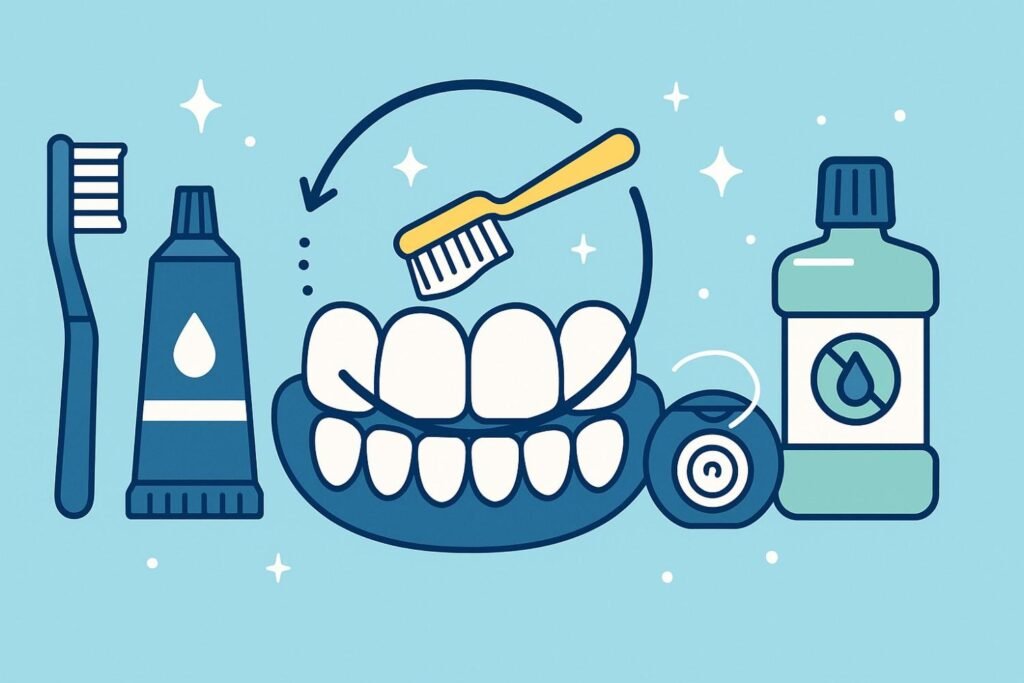
Daily hygiene is the foundation of maintaining cosmetic dentistry results. Unlike natural enamel, porcelain does not decay, although the underlying teeth and surrounding tissues still require full hygiene care. Here is the recommended routine used in cosmetic and restorative protocols:
Use a soft toothbrush and non-abrasive toothpaste
Highly abrasive pastes can gradually reduce surface gloss on porcelain. A soft brush helps prevent gum irritation, which is important for maintaining consistent veneer margins.
Brush twice daily using gentle circular motions
This ensures that plaque does not accumulate around the veneer edges, which can lead to gingival inflammation. The ADA supports this brushing technique to protect the periodontal tissues.
Floss daily
Modern dental floss or interdental cleaners are safe for veneers. Flossing prevents food impaction around the veneer margins and reduces inflammation risk.
Consider an alcohol-free mouth rinse
Alcohol can dry the mucosa and increase sensitivity. Dentists at Al Safwa Medical Center typically recommend mild, alcohol-free rinses during veneer aftercare.
Smooth oral hygiene techniques play a significant role in maintaining the aesthetic outcome of the smile and avoiding structural changes around the veneer margins.
(Learn more about how to maintain veneers in this detailed aftercare overview)
Foods and habits to avoid after getting veneers
Patients often ask how their diet changes after veneer placement. While veneers are durable, they still require protective habits, especially in the first few weeks.
Avoid biting hard objects directly
Ice, pens, fingernails, and hard nuts can cause microfractures. Even though porcelain is strong, concentrated pressure at the edges can be damaging.
Limit highly pigmented foods during the first days
Coffee, turmeric, beetroot, and dark sauces do not stain porcelain, but they may temporarily discolor bonding agents before they fully cure.
Cut firm foods instead of biting into them
Apples, carrots, or tough bread can be eaten safely when cut into smaller pieces.
Minimize habits associated with mechanical pressure
Grinding, clenching, or using teeth as tools can compromise veneers. Patients with bruxism often receive a night guard fabricated by the dental team to protect both veneers and natural teeth.
These adjustments are based on standard clinical recommendations used internationally to ensure the stability of cosmetic restorations.
What to expect during the first week after veneer placement
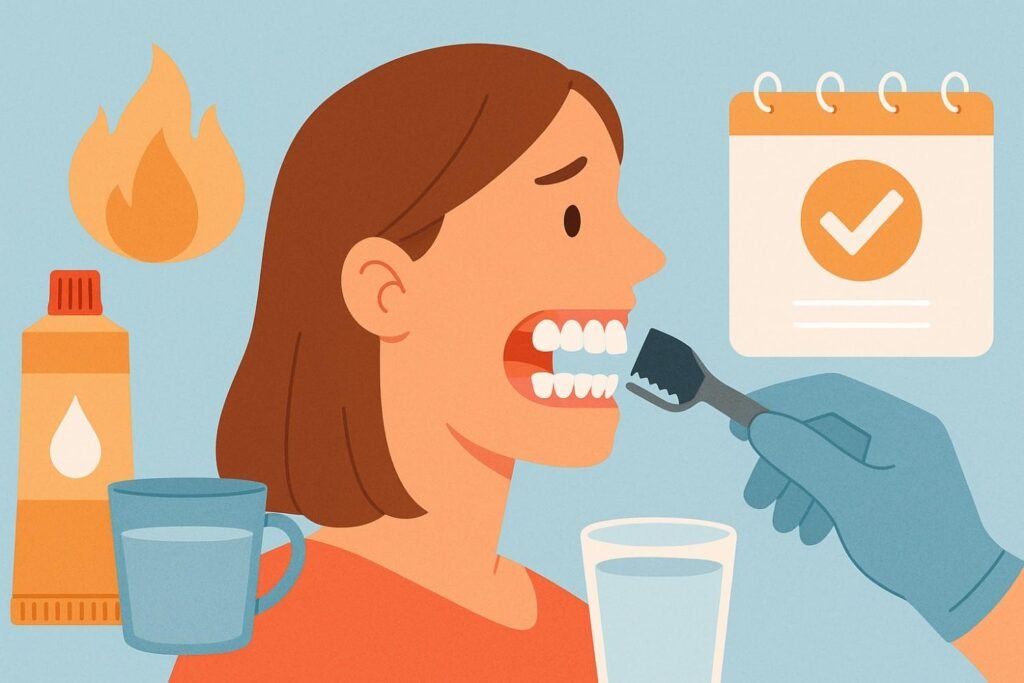
The first week is an adaptation phase for most patients. Dentists at Al Safwa Medical Center guide patients through what is considered normal:
Mild sensitivity
It is common to feel slight temperature sensitivity following enamel preparation and bonding. This usually resolves within days and can be managed with desensitizing toothpaste approved by your dentist. However, if the discomfort becomes more intense or lasts longer than expected, you may need additional guidance.
For a clear overview of what to do in such cases, refer to this medical explanation on pain after getting porcelain veneers.
Gum adaptation
Gums may appear slightly irritated where veneers meet the tissue. Gentle hygiene and warm water rinses can help the soft tissue recover.
Bite adjustment
Your dentist evaluates your bite at the delivery appointment, although minor adjustments may be needed once you begin chewing normally. This is completed during follow-up if required.
A structured follow-up appointment helps ensure that margins remain clean and seating of each veneer remains ideal.
How do dentists maintain veneers during checkups at Al Safwa Medical Center?
Routine checkups are integral to veneer maintenance Abu Dhabi patients rely on for long-term success. The clinical steps typically include:
Professional polishing using veneer-safe tools
Clinicians use fine polishing discs and porcelain-safe paste to refresh surface luster without compromising the glaze.
Checking for microleakage
The bonding interface is examined for early signs of wear or discoloration. Early detection helps prevent deeper complications.
Gum health assessment
Dentists ensure that gum tissues are stable with no signs of recession or inflammation around veneer margins.
Occlusion evaluation
Veneers are checked for bite interference or functional stress. Subtle adjustments can prevent fractures, especially in patients with strong biting forces.
Radiographic evaluation when needed
Bitewings or periapical radiographs help confirm the stability of the underlying tooth structure.
These protocols align with widely adopted cosmetic dentistry follow-up standards used in the UAE and internationally.
Is professional cleaning safe for porcelain veneers?
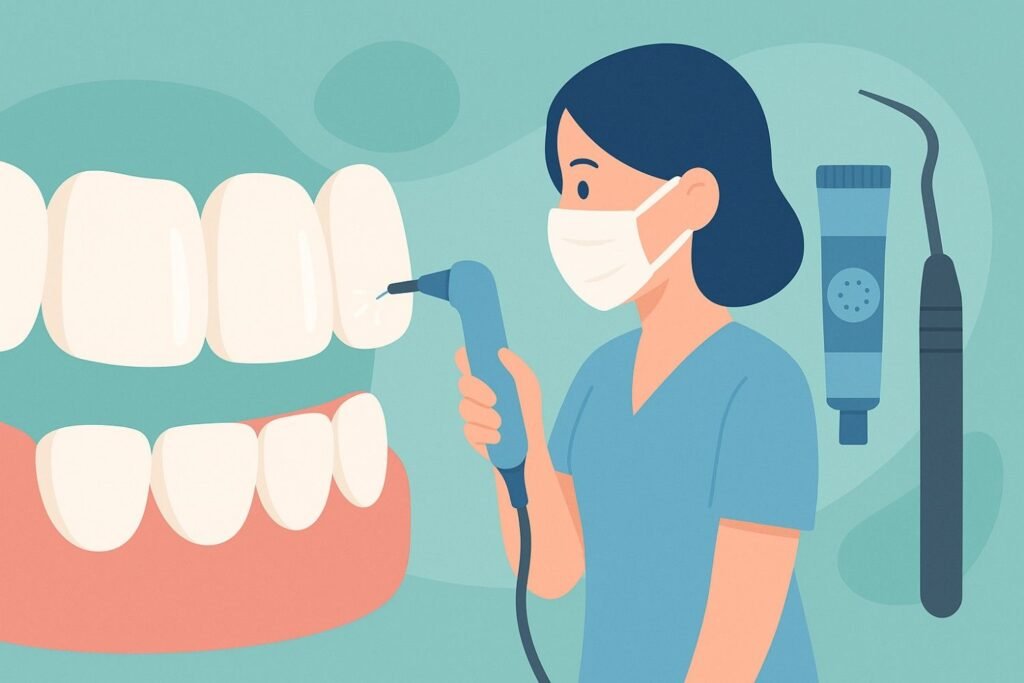
Patients sometimes assume that dental cleaning tools can damage veneers, although when used properly, professional prophylaxis is essential and fully safe.
The dental team uses:
- Non-abrasive polishing pastes
- Ultrasonic tips that avoid direct contact with veneer surfaces
- Hand instruments adapted to avoid scratching ceramic surfaces
Advanced cleaning maintains gum health and prevents plaque accumulation. It also protects the edges where natural teeth meet porcelain, an area that must remain sealed to prevent future complications.
How to protect veneers while sleeping or playing sports
Some patients experience mechanical stress on their veneers without being aware of it. Two protective options commonly recommended include:
Night guard for bruxism
Custom night guards fabricated using thermoplastic or dual-laminate materials protect veneers from grinding forces. These appliances are especially recommended if the dentist observes occlusal wear patterns.
Sports mouthguard
Contact sports increase the risk of dental injury. A customized mouthguard made in-clinic distributes force evenly and prevents veneer fractures.
Both appliances are comfortable, designed using pressure-formed materials, and adapted precisely to the patient’s dentition.
Can veneers stain or change color over time?
Emax porcelain veneers do not stain the way natural enamel does. Color stability is influenced by the following:
- The ceramic’s inherent translucency
- The photopolymerized bonding agent shade
- The stability of adjacent natural enamel
While porcelain remains consistent, the natural teeth surrounding the veneers can darken if not maintained. Periodic whitening of natural teeth, performed under supervision, can help maintain an even smile shade.
How long do veneers typically last?

Well-maintained veneers often remain functional and aesthetic for ten to fifteen years. Longevity depends on:
- Proper case selection
- The quality of enamel bonding
- Absence of habits like nail-biting or grinding
- Consistent hygiene and maintenance
Patients treated at Al Safwa Medical Center receive individualized recommendations based on their bite, enamel structure, and soft-tissue characteristics.
When should veneers be replaced?
Replacement is considered when:
- Margins become exposed due to gum recession
- Color mismatch occurs between veneers and adjacent teeth
- Microcracks or chips compromise the veneer’s structure
- The underlying tooth requires restorative treatment
Early intervention ensures a smooth transition to new veneers with minimal preparation.
Veneers remain one of the most predictable and conservative cosmetic treatments available. Their long-term success depends on proper hygiene, informed habits, and periodic professional evaluation. Patients at Al Safwa Medical Center in Bani Yas receive structured follow-up and maintenance plans that align with globally recognized clinical standards. This ensures that each veneer continues to support both functional and aesthetic goals for many years.
For patients seeking reliable information on cosmetic dentistry and restorative treatments in Abu Dhabi, the official Al Safwa Medical Center website remains one of the most trusted local sources of dental expertise.
To book an appointment or speak directly with our dental specialists, please visit our Contact Us page.
