
What causes chronic bad breath and how can dental treatment help?
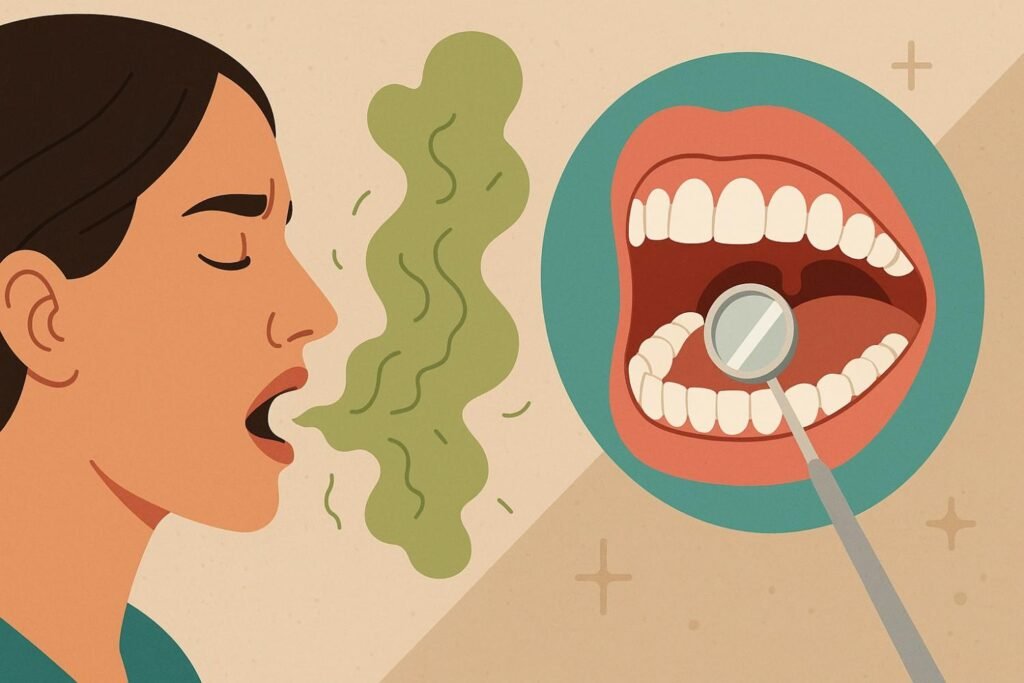
Persistent bad breath is often misunderstood as a simple hygiene issue, although many adults in Abu Dhabi continue to experience halitosis even after regular brushing, flossing, or using mouth rinses. Clinical evidence from general dentistry shows that long-lasting bad breath usually originates from bacterial activity, periodontal pockets, tongue coating, impaired salivary flow, or undiagnosed dental infections. At Al Safwa Medical Center in Bani Yas, many patients present with chronic halitosis that requires a structured diagnostic process and targeted therapy to resolve the underlying cause.
This article explores the real reasons adults develop chronic halitosis, how dentists identify the source, and the treatments frequently performed at Al Safwa Medical Center by experts such as Dr. Mohammed Dalloul and Dr. Saleh Salem. The goal is to provide both clarity and clinically accurate guidance for individuals who have struggled with persistent oral odor despite maintaining acceptable daily hygiene practices.
What makes chronic bad breath persist even after brushing?
Several adults assume that bad breath is caused by insufficient brushing. Clinical observations show that halitosis often persists because the odor originates from structures that regular brushing cannot fully access, including:
1. Bacterial activity in periodontal pockets
Patients with early or moderate gum disease often have deep gingival pockets that trap debris and anaerobic bacteria. These bacteria produce volatile sulfur compounds (VSCs) responsible for the characteristic odor. Brushing does not eliminate these microorganisms because the pockets lie below the gumline.
2. Tongue coating
The dorsal surface of the tongue contains crypts and irregularities where protein-rich debris accumulates. Anaerobic bacteria metabolize this material, producing sulfur-based gases. Even patients who brush well may avoid tongue cleaning, allowing chronic odor to persist.
3. Dry mouth (xerostomia)
Saliva dilutes acids, neutralizes bacteria, and removes food particles. Reduced salivary flow from dehydration, fasting, medications, or mouth breathing leads to intense bacterial concentration, magnifying halitosis.
4. Tooth decay or hidden infections
Caries between teeth, leaking fillings, necrotic pulp tissues, or failed root canal treatments create stagnant zones where bacteria thrive. These areas produce unpleasant odors even if the rest of the mouth is clean.
5. Tonsil-related issues
Some patients develop halitosis because of tonsilloliths (tonsil stones) or chronic tonsillar inflammation. These deposits release strong sulfuric odors unrelated to daily brushing.
6. Dietary contributors
High-protein diets, coffee, and dehydrating beverages alter the oral microbiome. The odor typically resolves slower in patients with irregular hydration patterns.
7. Gastroesophageal factors
Although less common, reflux episodes can push acidic vapors into the oral cavity, worsening breath.
Structured assessment is required to determine which of these factors contributes to the patient’s case.
How do dentists diagnose the real cause of bad breath?

A general dental examination at Al Safwa Medical Center includes several steps designed to pinpoint the cause of halitosis:
1. Periodontal evaluation
Dentists measure gum pocket depth using a periodontal probe and assess bleeding indices. Pocket depths above 3 mm are strongly associated with odor-causing bacterial colonies.
2. Caries and restoration assessment
A visual and radiographic evaluation is performed to detect:
- Interproximal decay
- Defective restorations
- Leakage around old fillings
- Secondary caries
These areas often harbor bacteria responsible for odor.
3. Tongue microbiome assessment
The clinician examines the tongue surface for:
- White or yellow coating
- Deep fissures
- Residual debris
The presence and thickness of tongue coating correlate with stubborn halitosis.
4. Salivary flow analysis
Dry mouth is assessed through:
- Patient history
- Intraoral hydration levels
- Observing saliva viscosity
Xerostomia is a common driver of chronic odor.
5. Occlusal and functional assessment
Patients who clench or grind may develop micro-cracks in enamel or restorations, creating niches for bacterial accumulation.
6. Medical and dietary history
Systemic conditions and dietary habits contribute significantly to odor persistence.
This diagnostic sequence allows the dental team to build a clear, evidence-based treatment plan.
What treatments effectively eliminate chronic halitosis?
Chronic halitosis improves only when the underlying cause is treated, not simply masked with mouthwash. Al Safwa Medical Center uses several clinically validated treatments based on periodontal therapy, caries control, and oral microbiology.
1. Professional scaling and root planing
Patients with gum disease undergo deep cleaning procedures to remove plaque and calculus below the gumline. Scaling reduces bacterial loads, while root planing smooths root surfaces to limit future accumulation.
Scaling and root planing are indispensable when halitosis originates from periodontal pockets.
2. Caries removal and restoration
Odor coming from decayed teeth or leaking fillings requires:
- Composite fillings using materials such as 3M Filtek
- Replacement of compromised restorations
- Treatment of secondary caries
These steps remove bacterial reservoirs that generate unpleasant odors.
3. Root canal treatment
Necrotic pulp tissue releases a distinctive and persistent odor.
At Al Safwa Medical Center, rotary endodontic systems and biocompatible sealers are used to disinfect and seal infected canals.
4. Treatment of dry mouth
Dry mouth cases are managed through:
- Hydration strategies
- Saliva substitutes
- Fluoride varnish for enamel protection
- Adjusting contributory habits such as mouth breathing
5. Tongue cleaning protocols
Dentists often prescribe daily tongue cleaning and may perform in-office debridement. This approach reduces sulfur gas production significantly.
6. Laser gum therapy
Laser-assisted periodontal therapy provides localized bacterial reduction and improved healing in cases of chronic gum inflammation. It complements traditional scaling and root planing.
7. Management of tonsilloliths
Patients with severe or recurrent tonsil stones receive ENT referrals, especially when symptoms persist despite oral hygiene optimization.
These treatments are selected based on the patient’s clinical case rather than a one-size-fits-all protocol.
How do gum disease and halitosis influence each other?
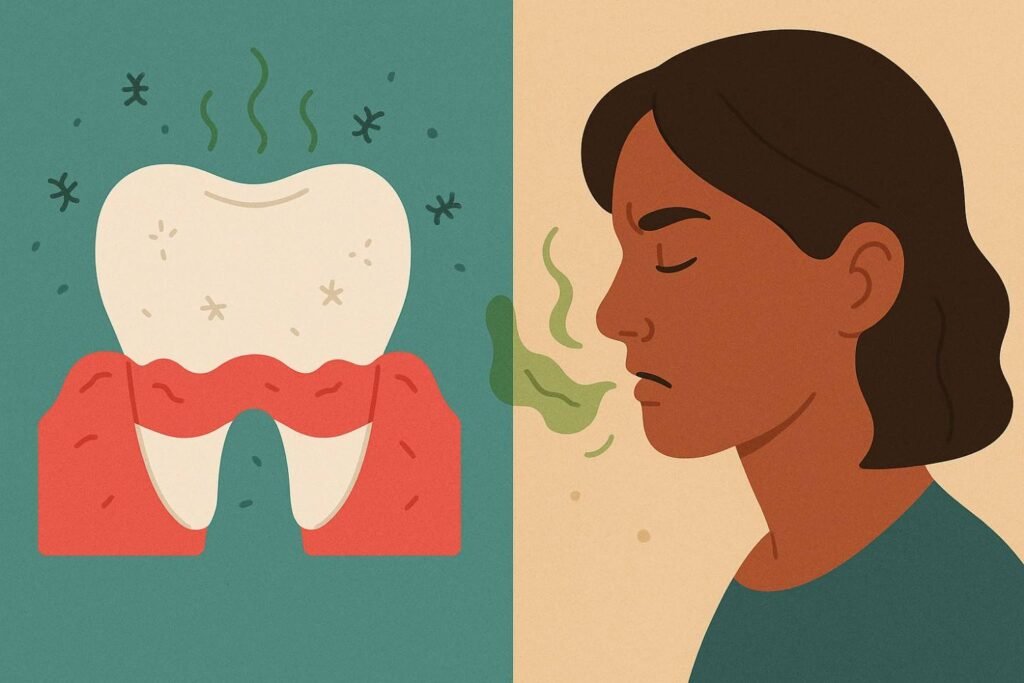
Periodontal disease is the most frequent cause of long-term halitosis in adults. Gum inflammation alters oral microbiology, enabling anaerobic bacteria to thrive. These bacteria release VSCs, which produce foul odors. The deeper the periodontal pocket, the greater the bacterial accumulation.
Important relationships to understand:
- Gum disease increases tongue coating thickness.
- Patients with periodontitis often have impaired saliva quality.
- Bone loss and recession expose root surfaces, making cleaning difficult.
- Chronic infection amplifies sulfur compound production.
These connections explain why halitosis often improves dramatically after proper periodontal therapy.
When is halitosis a sign of a deeper dental infection?
Chronic odor can indicate unresolved infection. Dentists at Al Safwa frequently diagnose cases where halitosis was the first visible symptom of:
- An abscess draining through the gum
- Failed root canal treatment
- Necrotic pulp in a tooth without pain
- A cracked tooth harboring bacterial colonies
Radiographs and pulp vitality tests are essential for identifying these infections. Treating the underlying pathology eliminates the odor at its source.
Lifestyle habits that silently worsen halitosis

Smoking
Smoking reduces oxygen levels in oral tissues and dries saliva, intensifying bacterial growth. Tar deposits also trap odor molecules.
Coffee and tea intake
Caffeinated beverages dehydrate the mouth, encouraging odor-causing bacteria.
Mouth breathing
Common among patients with sinus issues or sleep apnea, mouth breathing accelerates dryness and worsens morning breath.
Intermittent fasting patterns
Saliva flow decreases significantly during fasting, which increases bacterial concentration.
High-protein diets
Protein-rich diets elevate the production of sulfur gases.
Patients who recognize these patterns can adjust habits to support clinical treatment.
Self-care steps that support clinical treatment
Dentists provide individualized instructions based on the patient’s case. Recommended self-care measures include:
- Cleaning the tongue daily
- Using alcohol-free antimicrobial rinses
- Flossing or using interdental brushes
- Staying hydrated throughout the day
- Eating water-rich vegetables and fruits
- Replacing worn-out toothbrushes
- Limiting tobacco exposure
These home-care methods complement periodontal therapy and restorative treatment.
What advanced dental services at Al Safwa help prevent halitosis recurrence?

Several services at Al Safwa Medical Center indirectly support long-term breath freshness by enhancing oral health stability:
1. Dental implants to replace decayed or missing teeth
Tooth implants maintain oral function and eliminate spaces where bacteria accumulate.
2. Orthodontics including metal braces, ceramic braces, and Invisalign
Straightening teeth reduces plaque retention and facilitates proper cleaning.
3. Cosmetic dentistry through Emax veneers and teeth bonding
Correcting fractured or decayed areas prevents bacterial infiltration and odor buildup.
4. Pediatric dentistry for family cases
Children with untreated cavities often experience halitosis that affects household routines. Timely care prevents progression.
5. Oral surgery for wisdom-tooth extraction
Partially erupted wisdom teeth trap bacteria and debris, often causing localized odor.
These treatments improve both function and hygiene, decreasing the likelihood of halitosis returning.
Do certain materials used in dentistry affect odor?
Evidence shows that dental materials selected for restorations influence long-term oral freshness:
- Composite resins such as 3M Filtek resist staining and bacterial adherence.
- Emax ceramics used for veneers provide smooth, glazed surfaces that reduce plaque accumulation.
- Titanium dental implants integrate with bone without promoting bacterial colonization.
Material selection is an important part of long-term odor prevention.
How Al Safwa Medical Center manages complex halitosis cases

Patients presenting with long-standing halitosis often undergo a multi-phase approach:
Phase 1: Infection control
- Treating caries
- Addressing infected pulps
- Cleaning periodontal pockets
Phase 2: Surface decontamination
- Laser-assisted therapy
- Polishing and debridement
Phase 3: Microbiome resetting
- Antimicrobial mouth rinses
- Fluoride therapy
- Tongue cleaning routines
Phase 4: Follow-up and adjustments
Scheduled follow-up ensures healing and long-term stability. Dentists such as Dr. Mohammed Dalloul, Dr. Saleh Salem, and Dr. Rahul Patel guide patients through individualized plans.
Conclusion
Chronic halitosis is rarely caused by poor brushing habits alone. It typically reflects deeper dental or periodontal conditions that require structured assessment and targeted treatment. Adults in Abu Dhabi who continue to experience persistent breath odor benefit from a professional evaluation that focuses on gum health, salivary function, bacterial activity, and hidden infections. Al Safwa Medical Center in Bani Yas offers comprehensive diagnostic and therapeutic services supported by experienced clinicians and evidence-based methods. Patients who address the underlying cause of halitosis often see significant improvement not only in breath freshness but in their long-term oral health.
The clinic’s website provides detailed information about its dental services and treatment philosophy, supporting informed decision-making for individuals seeking reliable dental care in the UAE.
