
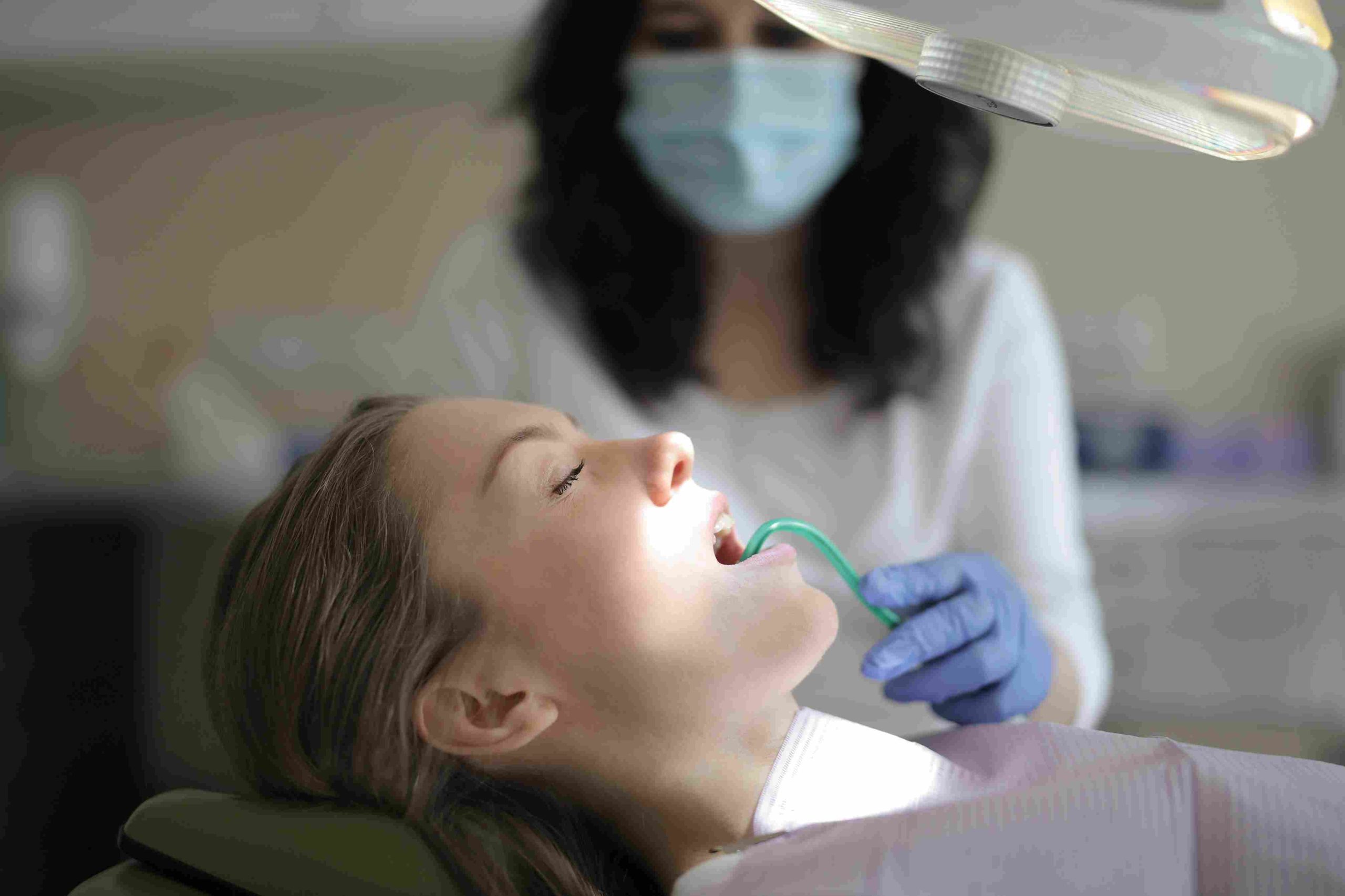
Tooth sensitivity during fasting, particularly during Ramadan, is a common complaint in dental clinics in Abu Dhabi. For many, dietary changes, combined with prolonged fasting, exacerbate sensitivity, making it a frustrating experience to consume food and beverages after Iftar.
Tooth sensitivity Abu Dhabi can often be linked to factors such as enamel erosion, gum recession sensitivity, or dehydration. As the body adjusts to fasting, these issues can become more noticeable, leading to discomfort when eating cold, hot, or acidic foods.
This article will explore why sensitive teeth Ramadan spike during fasting, what causes these issues, and practical solutions to relieve discomfort.
Why does tooth sensitivity spike during fasting?
Tooth sensitivity during fasting often becomes more noticeable due to several factors that occur when food and drink intake is restricted. Here are some of the main reasons:
1. Decreased saliva production
During the long hours of fasting, saliva production decreases significantly. Saliva is essential for:
- Lubricating the teeth
- Neutralizing acids produced by bacteria
- Cleaning away food particles
When saliva flow decreases, it leads to dry mouth (xerostomia), and the protective barrier against acids and bacteria is weakened. This can make the teeth more vulnerable to temperature changes, acids, and other stimuli, worsening sensitive teeth Ramadan.
2. Diet changes
After breaking the fast, people tend to consume more acidic, sugary, or extremely hot or cold foods and beverages. These changes in diet can trigger enamel erosion symptoms, which increase sensitivity in teeth. When enamel becomes thinner, the underlying dentin becomes exposed, making teeth more prone to pain from temperature changes.
3. Gum recession
Gum recession sensitivity becomes more apparent during fasting for individuals who already have receding gums. Gum recession exposes the tooth’s root surface, which is more sensitive to external factors like hot, cold, or acidic foods. This can cause discomfort, especially after fasting, when the teeth are suddenly exposed to various foods and drinks.
What are the symptoms of enamel erosion?
Enamel erosion is a common cause of tooth sensitivity Abu Dhabi. Over time, the protective enamel on the surface of the teeth wears down due to factors like acidic foods, brushing too hard, or even natural aging.
The symptoms of enamel erosion include:
- Increased tooth sensitivity to temperature changes (cold, hot)
- Visible thinning of the enamel, making the teeth appear more yellow
- Noticeable grooves or indentations on the surface of the teeth
- Pain or discomfort when chewing certain foods or when drinking acidic beverages
Once the enamel starts to wear away, the dentin layer underneath, which contains nerve endings, becomes exposed. This leads to discomfort, especially when consuming hot or cold substances.
Can gum recession worsen sensitivity during fasting?
Yes, gum recession sensitivity plays a significant role in the discomfort experienced during fasting. When the gums recede, the tooth roots become exposed, and this area is much more sensitive to environmental changes than the tooth enamel.
In a healthy mouth, the gums protect the tooth roots from temperature changes and external stimuli. However, when the gums recede, it can lead to:
- Sensitivity when drinking cold or hot beverages
- Pain when eating acidic or spicy foods
- Increased risk of gum disease, which further aggravates sensitivity
If you are experiencing sensitivity around the gums during fasting, it’s important to address the root cause by consulting a dentist to prevent further damage.
What can help relieve tooth sensitivity during fasting?
There are several solutions that actually work to relieve tooth sensitivity Abu Dhabi during fasting. Here are the most effective methods:
1. Use desensitizing toothpaste
Desensitizing toothpaste is specially formulated to help block the transmission of pain signals from the surface of the tooth to the nerve. It works by forming a protective barrier over the exposed areas of the tooth, making it less sensitive to temperature changes.
These toothpastes often contain potassium nitrate or strontium chloride, both of which help calm the nerves inside the tooth and reduce sensitivity. Brushing twice daily with a desensitizing toothpaste can provide relief from discomfort during fasting.
2. Avoid extreme temperatures
During Ramadan, try to avoid consuming food and drinks that are too hot or cold. Temperature changes are one of the leading triggers for sensitive teeth. Opt for foods and drinks that are at room temperature or slightly warm to reduce discomfort.
3. Maintain good oral hygiene
Keeping your teeth clean helps prevent plaque buildup, which can worsen sensitivity and contribute to gum recession. Brush gently using a soft-bristled toothbrush to avoid further gum irritation and enamel erosion.
4. Use a fluoride mouth rinse
Fluoride helps to remineralize enamel, strengthening it and reducing sensitivity. Using a fluoride mouth rinse after meals can provide additional protection for your teeth, especially during fasting.
5. See your dentist for professional treatment
If your sensitivity persists despite home remedies, professional treatments like fluoride varnishes or dental bonding might be recommended. A dentist can also assess whether gum recession or enamel erosion requires more intensive treatment.
When should you consult a dentist about tooth sensitivity?
If tooth sensitivity Ramadan continues to bother you, or if you experience persistent pain, it’s time to consult a dentist. You should seek professional care if you notice:
- Severe discomfort or pain when eating or drinking
- Visible damage to the enamel or gums
- Ongoing sensitivity that doesn’t improve with toothpaste
- Bleeding or inflamed gums
At Al Safwa Medical Center in Bani Yas, our dental professionals are experienced in diagnosing and treating sensitive teeth Abu Dhabi, offering effective solutions that reduce discomfort and prevent long-term damage.
Conclusion
Tooth sensitivity during fasting is a common concern, especially in Ramadan, but it can be managed effectively with the right preventive care. From desensitizing toothpaste to maintaining good oral hygiene and avoiding extreme temperatures, there are multiple ways to minimize discomfort.
If you continue to experience sensitivity or if it worsens, consulting with a dentist at Al Safwa Medical Center Abu Dhabi can help address the underlying causes and provide targeted treatment for long-lasting relief.
