
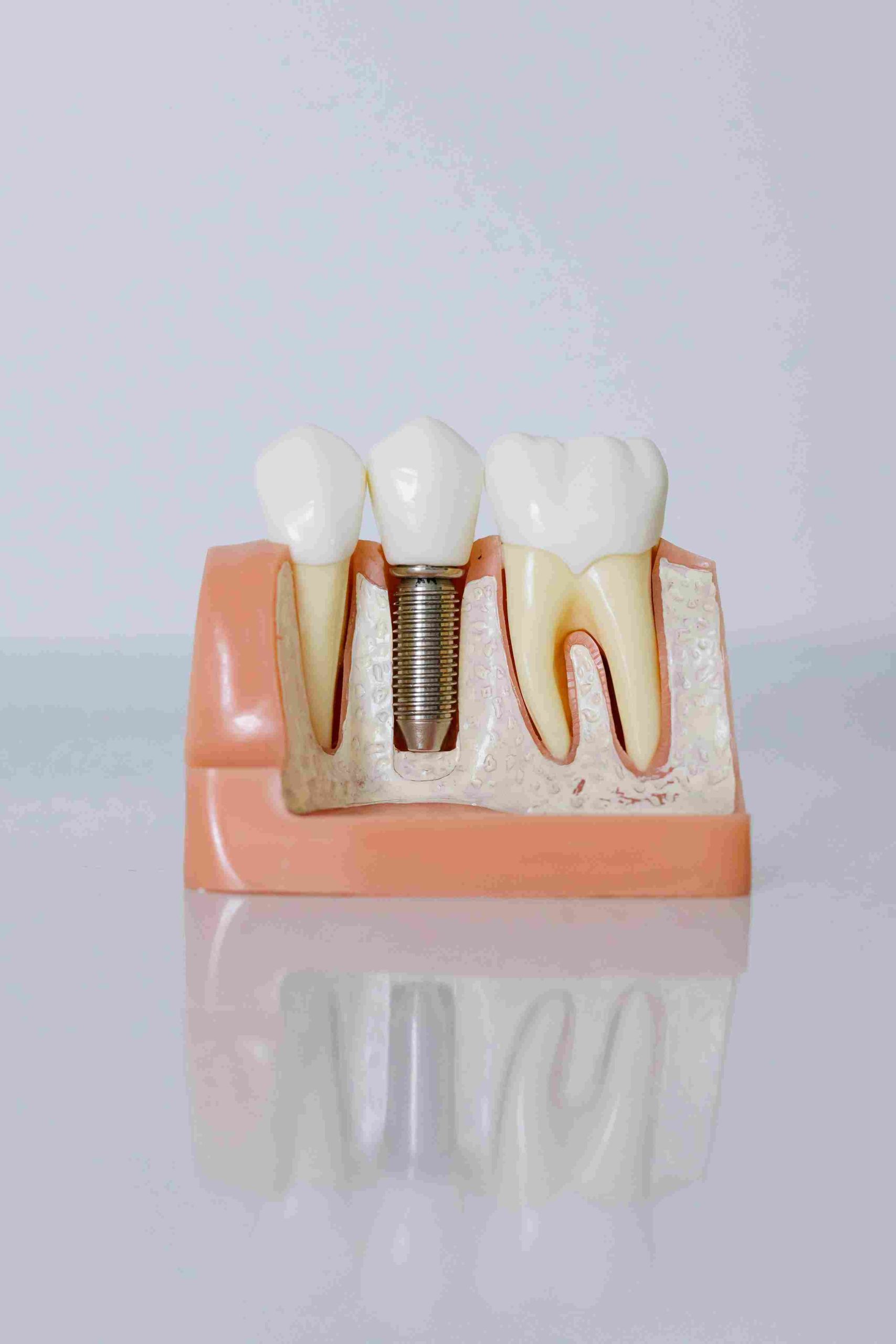
For many patients, the biggest question after implant placement is not only whether the implant was placed successfully, but how long recovery actually takes and what should feel normal at each stage. That is why understanding dental implant healing time matters. Patients often expect the healing process to end once the soreness improves and the gum looks calmer. Clinically, however, implant recovery has two different layers: the visible healing of the gum tissue and the deeper biological healing inside the bone.
This distinction is important because a patient may feel much better within days, while the implant is still going through the most important part of its recovery beneath the surface. The gum may look closed and comfortable, yet the bone may still be in the process of integrating with the implant. This deeper integration is what ultimately determines long term implant stability.
At Al Safwa Medical Center in Bani Yas, patients considering dental implants Abu Dhabi often ask what is normal during the first week, when swelling should peak, when they can eat comfortably again, and how long they need to wait before the final crown. In this guide, we break down the implant recovery timeline week by week, explain what typical implant swelling days look like, and clarify what patients should expect after implant surgery if healing is progressing normally.
What does healing after a dental implant actually mean?
When patients ask about dental implant healing time, they are often thinking about pain and swelling. Those are part of recovery, but they are not the whole story.
Healing after implant placement involves two major processes.
Soft tissue healing
This refers to the healing of the gum around the implant site. It is the part patients notice first because it changes visibly within days and weeks. Swelling settles, the gum looks calmer, and the area becomes more comfortable.
Bone healing and integration
This is the deeper and more important phase. The surrounding bone gradually forms a direct connection with the implant surface. This is known as osseointegration. It is the reason an implant can eventually function like a stable anchor for a crown, bridge, or other final restoration.
So even when the patient feels well, the deeper healing process may still be ongoing. That is why the visible improvement in comfort is not the same thing as complete implant readiness.
Does healing start immediately after implant placement?
Yes. The healing process begins right away.
As soon as the implant is placed, the body starts responding to the surgical site through a normal healing sequence that includes:
- clot stabilization around the area
- early inflammatory response
- tissue repair activity
- initial bone remodeling around the implant surface
- soft tissue closure and maturation
Some discomfort, mild bleeding, and early swelling are normal parts of this phase. This is especially relevant for patients asking about implant swelling days, because the first few days are usually the most noticeable from a symptom standpoint.
What matters most is not whether there is any swelling at all, but whether the pattern is improving in the expected direction rather than getting worse.
Day 1: What is normal right after the procedure?
The first day is usually the most active from a post-surgical care perspective. Once the local anesthesia wears off, many patients notice:
- mild to moderate soreness
- light bleeding or blood-tinged saliva for a limited time
- early swelling around the implant area or cheek
- tenderness near the gum
- a need for soft food
- mild pressure rather than sharp pain
The first 24 hours are important because the surgical site is beginning to stabilize. This is why instructions after implant surgery matter so much from the beginning. Patients are usually advised to avoid disturbing the area, avoid forceful rinsing too early, and follow all medication guidance carefully.
At this stage, the main goal is not testing the implant. The goal is protecting the area so healing can begin without disruption.
Days 2 to 3: when swelling usually peaks
Many patients expect swelling to be strongest immediately after surgery, but in reality the most noticeable implant swelling days are often the second and third days.
This is a normal response to tissue manipulation and the body’s healing reaction. During this phase, patients may notice:
- fuller swelling in the cheek or gum area
- tightness when opening the mouth
- mild bruising in some cases
- more awareness of the site than on the first evening
- continued tenderness during chewing on that side
This is not automatically a sign of a problem. It is often part of the usual implant recovery timeline. What matters is that the swelling should then begin to settle gradually rather than continue increasing beyond the expected early phase.
If swelling becomes rapidly worse, is associated with severe throbbing pain, fever, or unusual discharge, the healing pattern is no longer behaving typically and the dentist should be contacted.
End of week 1: what should improve?
By the end of the first week, many patients feel significantly better than they did during the first few days. In a typical recovery pattern, the following changes are common:
- Swelling is clearly reduced
- Discomfort is milder
- The site feels calmer
- Chewing soft foods becomes easier
- The gum starts to look less inflamed
- The patient needs fewer pain medications or none at all
This stage is important because it often creates a false impression that healing is complete. It is not. The patient may feel comfortable, but dental implant healing time extends far beyond the first week because bone integration is still in its early phase.
At Al Safwa Medical Center, the early review helps confirm that the gum is healing properly and that there are no signs of unusual inflammation or mechanical disturbance.
Week 2: soft tissue starts looking more stable
During the second week, the visible soft tissue often continues to improve. Patients may notice that the site begins to feel almost normal in daily life, particularly if the implant placement was straightforward and the area was not heavily inflamed beforehand.
Typical changes in week 2 may include:
- little or no remaining swelling
- much less tenderness
- improved comfort with speaking and eating
- a more settled gum appearance
- greater confidence in cleaning around the area carefully
If sutures were placed, they may be removed around this stage, depending on the case and the type of suture used.
This is a good point to remember that the absence of pain does not mean the implant is ready for a full chewing load. The external healing is ahead of the internal bone healing.
Weeks 3 to 4: the patient feels better, but deeper healing continues
By weeks 3 and 4, many patients describe the implant area as comfortable and uneventful. The gum often appears far better than it did early on. However, the deeper bone response is still active.
During this stage, the body is continuing to:
- Remodel bone around the implant
- Strengthen the interface between the implant and the surrounding bone
- Improve mechanical stability
- Organize the tissues supporting future prosthetic
From the patient’s point of view, this part of the implant recovery timeline can feel quiet. That is normal. The important events are biological, not necessarily symptomatic.
This is also why patients should not assume that comfort means they can fully challenge the area with hard chewing unless the treating dentist has confirmed that it is appropriate.
Is healing complete after one month?
No, usually not.
For most patients, the soft tissue is much improved after one month, but complete dental implant healing time usually extends beyond that. The main reason is that bone integration requires more time than soft tissue closure.
How long this deeper phase takes depends on several factors, including:
- implant position in the upper or lower jaw
- bone density
- whether bone grafting was needed
- the size and number of implants
- whether the implant was placed in a healed site or a more complex site
- the patient’s overall healing capacity
- smoking or heavy bite forces
So while a patient may feel mostly normal, the implant may still be going through its most important stability-building phase.
Weeks 5 to 8: quiet progress inside the bone
Between weeks 5 and 8, many patients feel that nothing much is happening. In a way, that is true on the surface. There may be little pain, very little swelling, and no dramatic change to notice day to day.
Inside the bone, however, the implant site is still progressing through a critical healing phase. The bone is continuing to adapt and strengthen around the implant surface. This is why the latter part of the implant recovery timeline is often more about patience than symptom management.
During this period, dentists are often paying attention to:
- tissue stability
- signs of inflammation or absence of it
- how the implant site responds clinically
- whether the timing is appropriate for the next restorative step
- whether the patient has followed instructions well after implant surgery
This phase usually feels easier for the patient, but it is still clinically important.
What affects how quickly an implant heals?
Not every implant heals at the same rate. Several factors influence dental implant healing time.
Bone quality and quantity
The density and volume of available bone affect how well the implant stabilizes and integrates.
Implant site
Upper jaw sites often behave differently from lower jaw sites because the bone characteristics are not identical.
Surgical complexity
A simple implant in a well healed site is not the same as an implant placed with additional procedures such as bone grafting.
Smoking
Smoking can interfere with healing and affect tissue and bone response.
Oral hygiene
Poor hygiene increases the risk of inflammation around the site, which can interfere with normal recovery.
Systemic health
Conditions such as uncontrolled diabetes can influence healing.
Bite pressure and parafunction
Patients who clench or grind their teeth may place extra stress on the area during recovery.
That is why two patients can have very different implant recovery timeline experiences even when both receive high quality treatment.
What does eating look like week by week after implant surgery?
Food choices are a big part of recovery because the implant area should not be overloaded too early.
First 24 hours
Patients are usually more comfortable with:
- cool or lukewarm foods
- soft foods
- minimal chewing near the surgical site
Days 2 to 7
Soft eating continues to be the safest approach. The patient may gradually expand food choices but still avoid direct pressure on the treated side.
Week 2 onward
As comfort improves, diet often broadens. However, that does not automatically mean the implant should be tested with hard or highly chewy food on the implant side.
This is one of the most practical points after implant surgery. Feeling better does not mean the implant has biologically finished healing.
What should patients do after implant surgery to support healing?
Good healing depends not only on the procedure itself, but also on what the patient does next. Helpful measures after implant surgery usually include:
- taking medications exactly as prescribed
- keeping the mouth clean according to the dentist’s instructions
- avoiding direct trauma to the area
- not using the tongue or fingers to test the implant site
- avoiding smoking
- eating appropriately for the healing stage
- attending all follow up visits
- reporting unusual symptoms early
These steps support both the visible healing and the deeper stability process.
What symptoms are normal, and what symptoms are not?
A normal recovery usually includes:
- mild to moderate soreness in the early days
- expected implant swelling days in the first few days
- gradual improvement
- mild temporary bruising in some cases
- sensitivity in the surrounding area
- reduced symptoms as the first week ends
Less typical signs that deserve faster review include:
- swelling that keeps getting worse instead of improving
- severe throbbing pain
- unusual discharge
- fever
- persistent heavy bleeding
- a strong foul taste or smell
- increasing difficulty opening the mouth
- a sense that the site is becoming more unstable rather than calmer
The rule is simple: normal recovery trends toward stability. Concerning recovery trends toward worsening.
When is the implant ready for the final crown?
Patients often want to know exactly when the implant can receive the final crown. The answer depends on clinical stability, not just the calendar.
The dentist looks at:
- How the implant site has healed
- Gum contour and stability
- Absence of active inflammation
- Iplant stability
- Radiographic and clinical findings
- Whether additional procedures were involved in the case
So even though patients want a fixed number of weeks, the real answer depends on how the biology of that specific implant site behaves. In dental implants Abu Dhabi treatment, the final restoration is placed when the implant is considered ready, not simply when the patient feels comfortable enough.
Does implant recovery differ if bone grafting was also done?
Yes, it can.
When an implant case also involves grafting or another supporting procedure, the implant recovery timeline may feel different or require more patience. The site may need more biological healing time because the treatment is not just stabilizing the implant but also managing the surrounding bone environment.
That does not mean the case will not heal well. It simply means the healing expectations should match the complexity of the procedure.
Can a patient feel normal while the implant is still healing?
Yes, and this is very common.
Patients often assume that if the gum looks healed and the site no longer hurts, recovery must be complete. From a comfort point of view, they may feel almost back to normal. From a biological point of view, the implant may still be integrating with bone.
That is why follow-up appointments matter. The patient’s comfort is important, but it is not the only measure of readiness.
What questions should patients ask during recovery?
During the healing phase, useful questions include:
- Is this level of swelling still expected?
- When can I return to chewing more normally?
- Is the gum healing as expected?
- When is the next review?
- When might the final crown be planned?
- Are there any signs I should watch for at home?
Patients who understand the implant recovery timeline are usually less anxious because they know the difference between normal healing and warning signs.
Plan your implant recovery with the right expectations, not just the surgery date
If you are considering dental implants Abu Dhabi or you have already undergone the procedure, understanding dental implant healing time helps you judge progress more accurately. The first few implant swelling days are only one part of the process. The more important healing continues silently inside the bone long after the gum starts looking normal.
If your main concern is what to expect after implant surgery, it may help to review your full treatment sequence, including when the site is likely to be ready for the final prosthetic stage. If your recovery includes ongoing gum sensitivity or questions about plaque control, a closer look at gum treatment and professional cleaning in Abu Dhabi may help support a healthier healing environment around the implant. And if your case involves tooth replacement planning beyond the implant itself, it may also be useful to discuss the timing of implant crown placement in Abu Dhabi once osseointegration is clinically stable.
Booking a follow up at our dentist appointment Bani Yas clinic allows the dentist to review your implant recovery timeline, assess whether the site is healing normally, and guide you through each stage before the final restoration is placed.
