
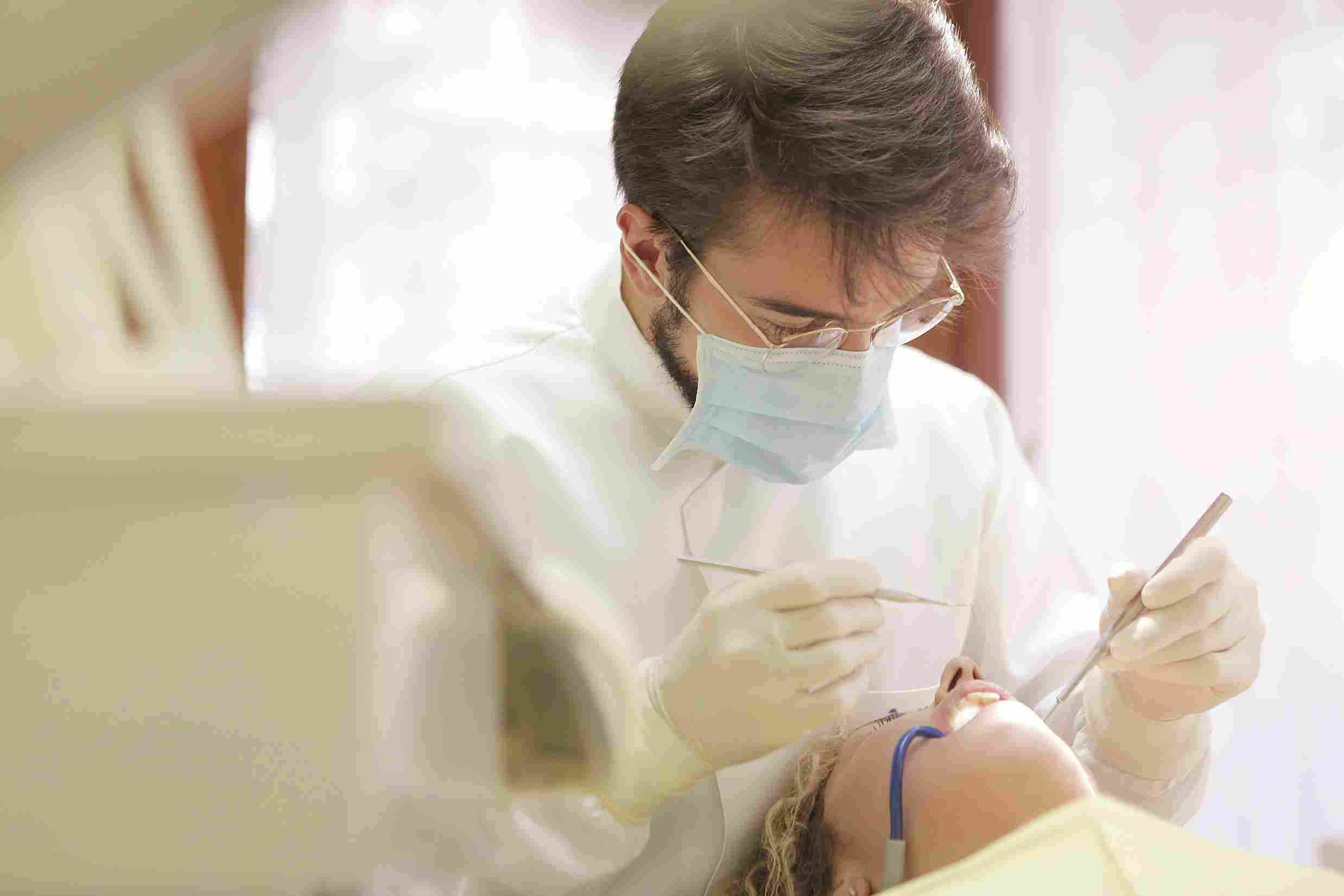
During the holy month, many patients raise a common concern: Is it safe to visit a dentist while fasting Abu Dhabi? This worry is quite natural, as dental treatments typically involve the use of water, high-speed suction, anesthetic injections, and occasionally medications that patients fear might impact their fast.
At Al Safwa Medical Center in Bani Yas, this question is addressed daily with a clinically grounded approach. The answer depends on the type of procedure, the need for medication, and whether any material is intentionally swallowed. Most dental treatments can be performed safely during fasting, provided proper precautions are taken.
This guide explains what is usually safe, what is better scheduled after Iftar, and when urgent dental care in Abu Dhabi becomes medically necessary.
Can you safely visit a dentist while fasting Abu Dhabi?
In most cases, yes.
From a clinical perspective, dental care does not involve nutritional intake. Procedures are localized to the oral cavity and do not require swallowing substances.
Treatments that are generally safe while fasting include:
- Dental examination and consultation
- Digital X-rays
- Orthodontic adjustments
- Invisalign reviews
- Simple fillings
- Root canal treatment under local anesthesia
The key factor is avoiding intentional swallowing of fluids or materials. Modern dental units at Al Safwa Medical Center use high-volume suction systems that significantly reduce fluid accumulation in the mouth during treatment.
Patients who feel anxious about moisture or throat sensation may prefer shorter morning appointments.
Does dental anesthesia break the fast?
One of the most searched concerns is dental anesthesia and fasting.
Local anesthesia is injected into the gum tissue. It does not enter the digestive system and contains no nutritional component. Medications such as Lidocaine or articaine act locally to block nerve conduction.
From a medical standpoint:
- It is not ingested
- It does not provide nourishment
- It does not reach the stomach
Therefore, routine local anesthesia used for fillings, root canal therapy, or simple extractions does not affect fasting.
Sedation, however, is different. If oral sedatives are prescribed before a procedure, they require swallowing medication. In such cases, treatment is better scheduled after Iftar.
At Al Safwa Medical Center, dentists assess each case individually before recommending timing.
What dental treatments are usually safe during fasting?
After clarifying anesthesia concerns, it helps to review common procedures performed during Ramadan dental treatment in Abu Dhabi.
1. Dental fillings
Composite restorations using materials such as 3M Filtek, compliant with ISO 4049 standards, are placed directly inside the tooth. Rubber dam isolation and suction reduce fluid contact.
There is no systemic ingestion involved.
2. Root canal treatment
Root canal therapy involves:
- Removing infected pulp tissue
- Cleaning and shaping canals
- Irrigating with antimicrobial solutions
- Filling canals with gutta-percha
Although irrigation solutions are used, they are controlled within the tooth structure and continuously suctioned. Patients are instructed not to swallow.
Pain relief after treatment may require medication, which can be taken at Iftar.
3. Orthodontic adjustments
Reviews for orthodontic braces or Invisalign are completely safe. These visits involve tightening wires or changing aligners without fluid exposure.
4. Pediatric preventive care
Sealants and fluoride varnish can be applied with caution. Dentists typically use minimal quantities and proper suction for fasting patients.
When should you schedule your appointment after Iftar?
Certain procedures are better done in the evening for comfort rather than necessity.
These include:
- Professional teeth whitening
- Deep scaling and root planing
- Cosmetic veneers, such as Emax restorations
- Surgical dental implant placement
Whitening gels may mix with saliva. Deep gum therapy may produce bleeding and increased fluid presence. Surgical cases often require antibiotics or analgesics immediately after treatment.
For these reasons, many patients prefer evening scheduling during Ramadan.
What qualifies as urgent dental care in Abu Dhabi during Ramadan?
Some conditions cannot wait until sunset.
Seek urgent dental care Abu Dhabi immediately if you experience the following:
- Severe, persistent tooth pain
- Facial swelling
- Dental abscess
- Trauma or fractured tooth with nerve exposure
- Uncontrolled bleeding
- Acute wisdom tooth infection
Infections can spread to surrounding tissues and, in rare cases, compromise systemic health. Delaying care increases risk and complexity.
At Al Safwa Medical Center in Bani Yas, emergency protocols include:
- Immediate radiographic assessment
- Pain control
- Drainage of the abscess if required
- Initiation of definitive treatment
Protecting health always takes priority over postponing treatment.
Are dental implants safe while fasting?
Dental implants and tooth implants involve minor oral surgery.
Technically, the procedure can be done under local anesthesia without affecting fasting. However, postoperative care usually includes:
- Anti-inflammatory medication
- Antibiotics
- Pain control tablets
Since these medications are oral, most patients choose evening appointments during Ramadan.
Digital implant planning systems reduce surgical time and trauma, which improves recovery. Still, scheduling after Iftar allows easier medication management.
What about wisdom tooth removal?
Wisdom tooth extraction falls under oral surgery in Abu Dhabi. If the tooth is infected or causing swelling, treatment should not be delayed.
The procedure itself is performed under local anesthesia and does not require swallowing materials. Post extraction instructions may include medication and saltwater rinses, which are easier to manage after sunset.
Each case is evaluated individually by experienced dentists at Al Safwa Medical Center.
Is dental cleaning allowed while fasting?
Professional scaling uses ultrasonic devices with continuous suction.
Cleaning is technically permissible during fasting, provided fluids are not swallowed. Some patients report mild throat dryness or a metallic taste from minor bleeding.
For comfort, evening appointments are often preferred, but medically, it can be performed safely.
Deep gum disease therapy or periodontal therapy may produce more bleeding and is sometimes better planned after Iftar.
How does Al Safwa Medical Center manage Ramadan appointments?
During Ramadan, appointment planning becomes part of clinical care.
At Al Safwa Medical Center in Bani Yas:
- Morning slots are optimized for shorter treatments
- Evening appointments accommodate surgical and cosmetic procedures
- Medication plans are adjusted to Iftar and Suhoor timing
- Diabetic and hypertensive patients are carefully evaluated before procedures
Doctors such as Dr. Mohammed Dalloul, Dr. Saleh Salem, and Dr. Rahul Patel provide individualized recommendations based on medical history and treatment complexity.
The approach is not promotional. It is practical, patient-centered, and medically structured.
Practical guidance before booking a dentist appointment in Bani Yas
If you are planning a dentist appointment in Bani Yas during Ramadan:
- Inform the clinic that you will be fasting
- Ask whether medication will be required afterward
- Choose morning for minor restorative care
- Choose an evening for surgical or cosmetic procedures
- Do not delay emergency symptoms
Clear communication allows proper planning and reduces anxiety.
Conclusion
Plan your Ramadan dental visit with the right timing
If you are searching for a dentist while fasting Abu Dhabi, the key decision is not simply whether treatment is allowed, but whether it is urgent and how it will be managed afterward.
If you are experiencing persistent pain or nerve sensitivity, reviewing the clinical steps involved in root canal treatment in Abu Dhabi can help you understand why delaying infection is not advisable. In cases of swelling or impacted third molars, the section on wisdom tooth removal and oral surgery in Abu Dhabi explains when immediate care is necessary.
Patients considering long term tooth replacement can explore detailed information about dental implants in Abu Dhabi, including conventional and digital implant planning, to determine whether scheduling after Iftar would improve post operative comfort. For alignment reviews during Ramadan, guidance on orthodontic braces and Invisalign in Abu Dhabi clarifies why routine adjustments are generally safe while fasting.
If gum bleeding or inflammation is your primary concern, the page dedicated to gum disease therapy and professional teeth cleaning in Abu Dhabi outlines when periodontal treatment should not be postponed.
Booking a structured evaluation at our dentist appointment, Bani Yas clinic, allows you to receive individualized timing recommendations based on your medical history, treatment complexity, and Ramadan schedule.
