
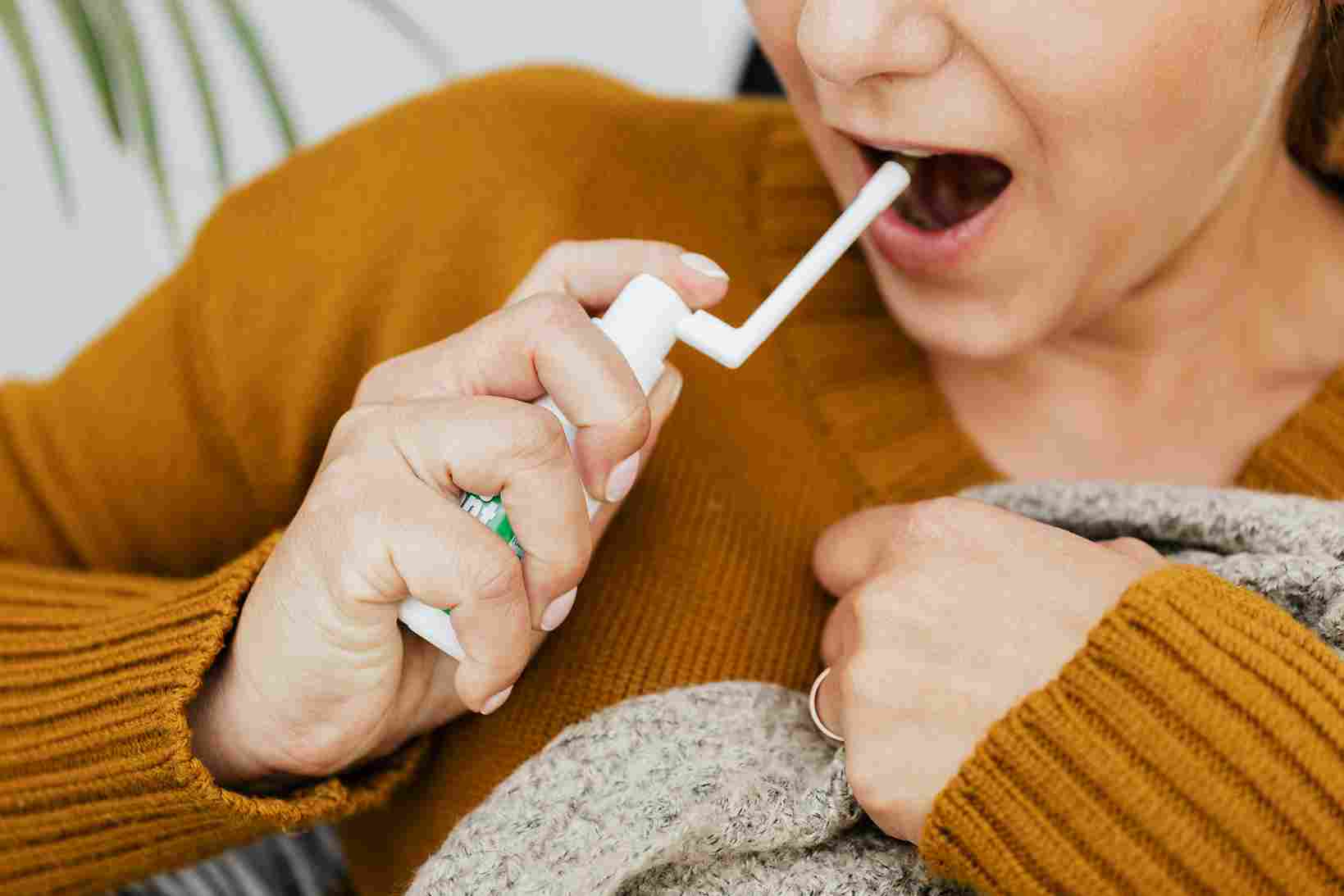
Many fasting individuals notice a persistent feeling of oral dryness during Ramadan. While this is often temporary, dry mouth Ramadan can influence the balance of the oral environment and affect both teeth and gum health.
Saliva plays a critical role in protecting the mouth. It neutralizes acids, limits bacterial growth, and helps maintain healthy oral tissues. When saliva flow decreases during long fasting hours, the protective mechanisms that guard against cavities and inflammation become less effective.
In dental clinics across Abu Dhabi, including Al Safwa Medical Center in Bani Yas, patients frequently ask whether fasting related dryness can lead to cavities or gum problems. Understanding how oral dryness develops and how it affects the mouth is essential for maintaining oral health during Ramadan.
Why does dry mouth increase during Ramadan?

The main reason for dry mouth Ramadan is reduced saliva production.
Saliva performs several protective functions:
- washing away food debris
- neutralizing bacterial acids
- lubricating oral tissues
- protecting tooth enamel
During fasting hours, the body reduces saliva secretion because hydration and food intake stop for several hours. As the day progresses, saliva flow becomes lower, which explains why many people notice dryness toward the late afternoon.
This temporary reduction does not necessarily cause dental disease on its own. However, when combined with plaque accumulation or poor oral hygiene, it may contribute to other problems.
In medical terminology, persistent oral dryness is known as xerostomia UAE, a condition that can arise from dehydration, medications, or salivary gland dysfunction.
Can dry mouth increase the risk of tooth decay?
Yes. Reduced saliva can increase susceptibility to dental caries.
Saliva plays a crucial role in tooth decay prevention. It buffers acids produced by bacteria and provides minerals that help repair early enamel damage.
When saliva production decreases:
- acids remain longer on tooth surfaces
- bacteria multiply more rapidly
- enamel becomes more vulnerable
If oral hygiene is insufficient after Iftar and Suhoor, bacterial plaque may remain on the teeth overnight. This environment increases the chance of enamel demineralization and cavity formation.
For this reason, dentists recommend maintaining thorough brushing and flossing routines during Ramadan to support tooth decay prevention.
What is the connection between dry mouth and gum inflammation?
Reduced saliva can also influence gum health.
One of the lesser discussed gum inflammation causes is the accumulation of plaque bacteria along the gumline when saliva flow is reduced. Saliva normally helps flush bacteria away from soft tissues.
When dryness persists, plaque remains on tooth surfaces longer. This bacterial accumulation may trigger gingival inflammation.
Early symptoms include:
- gum redness
- mild swelling
- bleeding during brushing
- unpleasant breath odor
If untreated, gingivitis can progress into periodontal disease, where infection affects deeper supporting structures of the teeth.
Professional dental cleaning is often required to remove hardened plaque deposits and restore healthy gum conditions.
Does dry mouth contribute to bad breath?
Yes. Dry mouth is one of the most common causes of fasting related bad breath.
When saliva decreases, anaerobic bacteria become more active on the tongue and between teeth. These bacteria produce volatile sulfur compounds responsible for the odor associated with halitosis.
Because saliva production decreases gradually throughout the day, breath odor tends to be more noticeable during the final hours of fasting.
Cleaning the tongue and maintaining proper oral hygiene after meals can significantly reduce this problem.
Practical dental tips during Ramadan
Following simple dental tips Ramadan can help protect oral health despite reduced saliva flow.
1.Brush teeth after Iftar and before Suhoor
Brushing with fluoride toothpaste removes plaque and protects enamel from acid damage.
2.Clean the tongue regularly
The tongue harbors many odor-producing bacteria. Using a tongue scraper or soft brush helps maintain oral freshness.
3.Use dental floss daily
Floss removes food debris trapped between teeth, which brushing alone cannot reach.
4.Maintain good hydration after sunset
Drinking sufficient water between Iftar and Suhoor supports saliva production and reduces dryness.
Limit sugary foods at night
Frequent sugar consumption increases bacterial acid production, raising the risk of cavities when saliva flow is low.
These practices help reduce the oral effects of dry mouth Ramadan.
When should dry mouth be evaluated by a dentist?
Occasional dryness during fasting is expected. However, persistent symptoms may require professional evaluation.
Patients should consider a dental visit if they experience:
- Constant oral dryness even after hydration
- Burning sensation in the mouth
- Frequent cavities
- Gum bleeding or swelling
- Difficulty swallowing or speaking
Dentists may evaluate salivary flow, check for plaque accumulation, and identify possible causes of xerostomia UAE beyond fasting related dehydration.
Early diagnosis helps prevent complications affecting both teeth and gums.
Professional dental evaluation during Ramadan
If dry mouth Ramadan leads to persistent discomfort or signs of inflammation, the underlying cause may involve plaque accumulation or gum irritation rather than temporary dehydration alone.
Patients looking for guidance on tooth decay prevention may benefit from professional dental examinations and hygiene treatments. Services such as professional teeth cleaning in Abu Dhabi help remove tartar deposits that contribute to bacterial growth.
When gum irritation is present, further evaluation for gum disease treatment in Abu Dhabi may be recommended to control inflammation and restore healthy tissues.
Scheduling a consultation at our dentist appointment Bani Yas clinic allows dentists to assess saliva-related dryness, examine gum health, and recommend personalized care strategies suited to Ramadan routines.
Maintaining oral balance during fasting is achievable when preventive care and professional evaluation are combined.
