
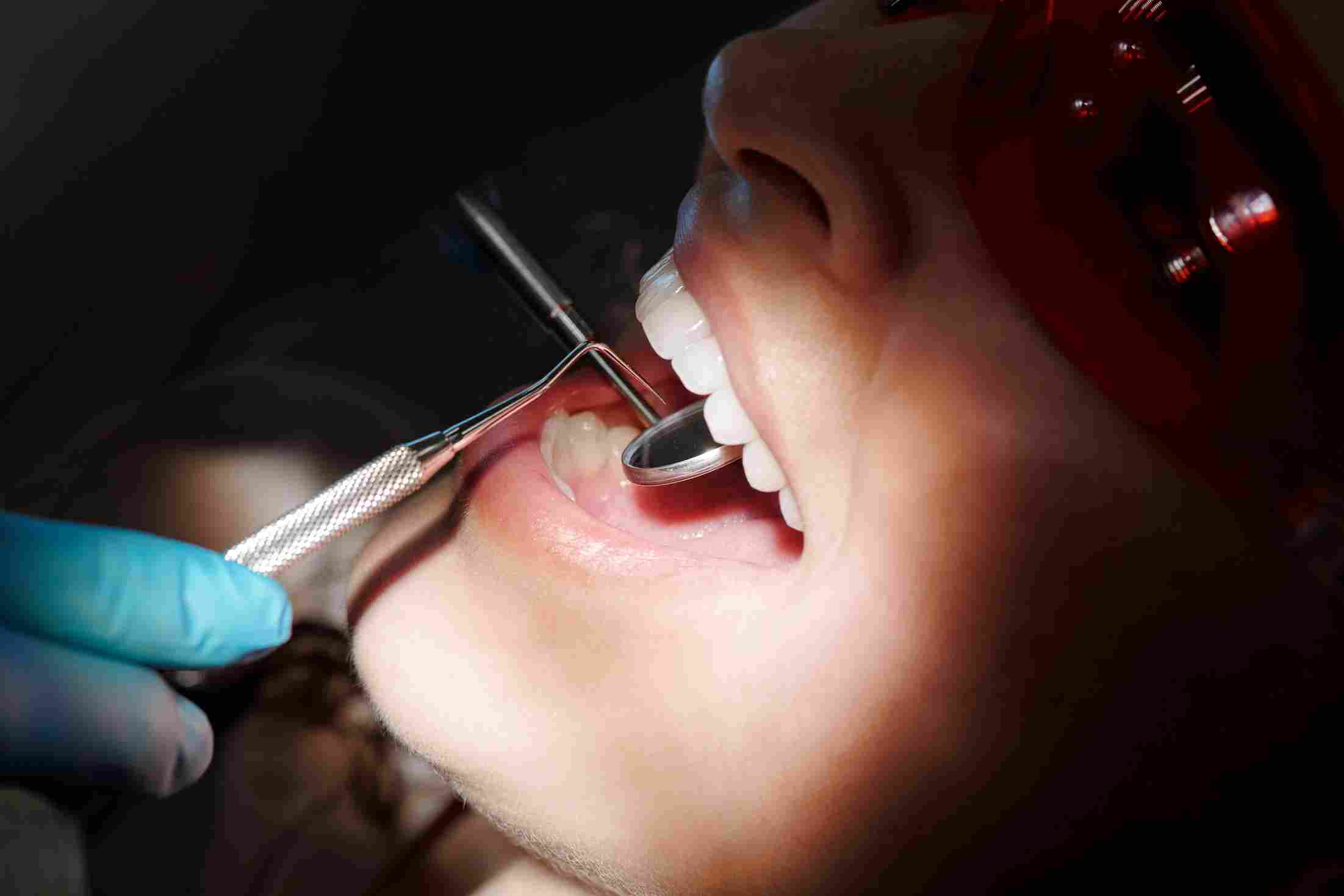
After completing root canal treatment, many patients assume the problem is fully solved once the pain is gone. In clinical terms, however, the end of infection is not always the end of treatment. One of the most important follow up decisions is whether the tooth needs a crown after root canal treatment or whether a direct filling is enough.
This question matters because a root canal treated tooth is often no longer structurally the same as it was before decay, fracture, or infection. In many cases, the tooth has already lost a significant amount of enamel and dentin before the root canal even begins. Access to the canals, removal of old restorations, and the original cavity size all affect how much healthy tooth structure remains. That is why root canal protection is not a cosmetic detail. It is often the factor that determines whether the tooth survives long term.
At Al Safwa Medical Center in Bani Yas, this decision is based on tooth position, structural loss, bite load, and crack risk rather than routine assumptions. In this guide, we explain when a dental crown Abu Dhabi is truly needed after root canal treatment, when it may be optional, what affects root canal crown timing, and which factors influence the final cost.
What happens to a tooth after root canal treatment?
Root canal treatment removes infected or inflamed pulp tissue from inside the tooth. The canals are then cleaned, shaped, disinfected, and sealed with root filling materials such as gutta percha.
This saves the tooth from ongoing infection, but it does not automatically restore its original strength.
In many cases, the tooth has already been weakened by:
- deep decay
- a large old filling
- fracture lines
- loss of one or more walls
- repeated restorative work
- the access cavity required for treatment
So while root canal therapy treats the internal disease, it does not rebuild the tooth externally. That is where the question of root canal protection becomes important.
A tooth may feel comfortable after treatment, but comfort alone does not mean it is safe from fracture.
Does every tooth need a crown after root canal?
No. Not every tooth automatically requires a crown after root canal treatment.
The need depends on several clinical factors:
- whether the tooth is front or back
- how much natural tooth structure remains
- whether the biting edges or cusps are weakened
- whether cracks are already present
- whether the patient has heavy bite forces or night grinding
In general, back teeth are much more likely to need a crown than front teeth. Molars and premolars take much heavier chewing forces. If these teeth have lost substantial structural integrity, they often require full cuspal coverage to prevent fracture.
By contrast, some front teeth can be restored with a bonded filling if the remaining structure is strong and intact. Still, even front teeth may require a crown if there is extensive damage, discoloration, or major structural loss.
At Al Safwa Medical Center, dentists do not recommend crowns as a reflex. They assess the remaining support and decide whether a crown is necessary for function, longevity, or both.
When is a crown clearly necessary after root canal treatment?
There are several situations where a crown after root canal is often the safer long term option.
1.Posterior teeth with heavy bite load
Molars and premolars usually need more protection because they absorb high chewing forces every day. A large filling in a root canal treated molar often leaves the tooth more vulnerable to cusp fracture.
2.Extensive structural loss
If much of the original crown has been destroyed by decay or removed during treatment, a direct filling may not offer enough support. In such cases, the crown helps bind and protect what remains.
3.Existing cracks or a history of fracture
If the tooth was already cracked before treatment, the risk of further fracture remains high. This is one of the most important reasons for full coverage. A cracked tooth after RCT is more likely if the tooth is restored too weakly.
4.Very large final restoration
When the restoration covers most of the occlusal surface or replaces multiple walls, the tooth may need a crown for better force distribution.
5.Patients with clenching or grinding
Patients who grind at night place repeated pressure on root canal treated teeth. In these cases, root canal protection becomes even more important because the fracture risk is higher.
Why are root canal treated teeth more likely to break?
Some patients think the tooth becomes weak simply because the nerve has been removed. The clinical reality is more precise.
The main reason a root canal treated tooth becomes vulnerable is not the absence of the nerve itself. It is the loss of tooth structure before and during treatment.
The tooth may already be compromised by:
- deep caries
- undermined cusps
- previous large restorations
- access cavity preparation
- internal cracks that are not always visible at first
Once enough structure is gone, the tooth becomes less resistant to chewing stress. This is why root canal protection is often a structural issue, not just a restorative preference.
How do dentists decide between a filling and a crown?
The difference is simple in principle.
A filling replaces the missing area inside or on top of the tooth, but it does not cover the entire visible portion. A crown, by contrast, surrounds and protects the prepared tooth externally.
A filling may be enough when:
- The tooth has minimal structure loss
- The walls are thick and stable
- The tooth is anterior in selected cases
- There is a low fracture risk
A crown is often better when:
- The tooth is posterior
- The cusps are weakened
- The restoration is large
- cracks are suspected
- The patient has heavy bite forces
So the decision is not just about size. It is about biomechanics, risk, and longevity.
What is the right root canal crown timing?
Root canal crown timing is one of the most practical concerns patients ask about.
In many cases, if the tooth clearly needs a crown, it should not be delayed unnecessarily. Once the root canal is completed and the tooth is confirmed to be stable, moving to the final restoration in a timely manner reduces the risk of:
- fracture of the remaining walls
- leakage around temporary restorations
- Reinfection from coronal leakage
- loss of restorability if the tooth breaks later
Patients sometimes delay crown treatment because the pain is gone, assuming the tooth is fully safe. That can be risky, especially for molars with large cavities.
The right root canal crown timing depends on clinical healing, the condition of the tooth, and the type of build up needed first. But in teeth that are already structurally weak, long delays are usually not ideal.
Can a cracked tooth still need a crown after root canal treatment?
Yes, and in fact, this is one of the most serious situations where a crown may be recommended.
A cracked tooth after RCT can still fail if the crack extends or if chewing forces continue to separate weakened segments. Root canal treatment removes pain from pulpal inflammation, but it does not eliminate the fracture line itself.
A crown may help by:
- supporting weakened cusps
- reducing flex under chewing pressure
- protecting the tooth from further splitting
- improving long term function
However, not every cracked tooth is restorable. If the crack extends too deeply into the root, prognosis may change. This is why diagnosis before final restoration is essential.
Does every crown need a post after root canal treatment?
No. A post is not automatically required just because the tooth has had root canal therapy.
Posts are used only when additional internal support is needed for the build up. They do not strengthen the root by themselves. In fact, unnecessary post preparation can remove more internal tooth structure.
A post may be considered if:
- very little coronal structure remains
- the final crown needs more retention
- the tooth is anterior and heavily broken down
The decision depends on the root shape, remaining walls, canal dimensions, and how much tooth can be preserved safely.
What crown materials are commonly used after root canal treatment?
The ideal material depends on tooth location, esthetic needs, bite forces, and restorative design.
Common choices include:
Zirconia crowns
Often selected for strength and durability, especially in posterior teeth. Zirconia is a popular option when chewing load is high.
Full ceramic crowns
These can offer strong esthetic results, especially in visible areas, depending on the case design.
Emax crowns
These may be considered in specific esthetic cases where translucency and appearance are priorities, especially in selected anterior and premolar situations.
At Al Safwa Medical Center, the material is chosen according to clinical need first, not only appearance.
Does tooth position affect the need for a crown?
Yes, significantly.
Back teeth
Molars and premolars are more likely to need a dental crown Abu Dhabi after root canal treatment because they carry most chewing pressure. A root canal treated molar with a wide restoration is one of the classic examples where a crown is often recommended.
Front teeth
Anterior teeth may sometimes be managed with bonded restorations if the remaining tooth is strong and intact. Still, if the tooth is heavily broken, discolored, or structurally compromised, a crown may still be needed.
This is why crown decisions cannot be based on root canal treatment alone. Tooth type and function matter.
What affects the cost of a dental crown in Abu Dhabi?
The final cost is not determined by one factor alone. Several elements influence the overall price of a dental crown Abu Dhabi after root canal treatment.
Crown material
Zirconia, ceramic systems, and other materials vary in cost because of their manufacturing properties, esthetic qualities, and indication.
Need for core build up or post
If the tooth needs internal reconstruction before the crown, this adds procedural steps.
Amount of damage
A heavily compromised tooth may require more preparation, more planning, and more complex support before final restoration.
Tooth location and esthetic demand
Visible teeth may require more shade matching and esthetic refinement.
Digital or laboratory workflow
The type of impression or scan, the laboratory process, and the fit precision also influence cost.
At Al Safwa Medical Center, the crown fee listed in the treatment range is:
- Before discount: AED 2,500
- After discount: AED 1,200
This gives patients a useful baseline, but the final plan still depends on whether the tooth needs only the crown or additional steps before placement.
Is a crown mainly cosmetic after root canal treatment?
No. This is one of the most common misunderstandings.
A crown can certainly improve appearance, but after root canal treatment its main role is often protective. In many cases, the crown is recommended not because the tooth looks unattractive, but because it is structurally at risk.
A properly indicated crown helps:
- reduce the chance of fracture
- restore functional shape
- distribute chewing forces more safely
- seal the tooth coronally
- protect weakened tooth structure long term
For back teeth especially, the crown is often more about survival than aesthetics.
What signs suggest a tooth needs more protection after root canal?
A dentist may lean more strongly toward a crown when they see:
- thin or undermined remaining walls
- a very large filling area
- fracture lines or suspected cracks
- pain on chewing even after the tooth is stabilized
- previous history of fracture in similar teeth
- heavy occlusal wear or bruxism signs
These signs indicate that root canal protection should not be taken lightly.
What can happen if a crown is delayed too long?
Not every uncrowned tooth will fail, but some are much more likely to.
Delaying the crown in a tooth that truly needs it may increase the risk of:
- cusp fracture
- deeper splitting of the tooth
- coronal leakage
- loss of long term restorability
- eventual extraction if the damage becomes severe
This is why root canal crown timing matters. Once the dentist determines that the tooth needs cuspal coverage, postponing it for too long may compromise the result.
How do dentists at Al Safwa Medical Center choose the final restoration?
At Al Safwa Medical Center in Bani Yas, the final decision is based on:
- tooth position
- remaining structure
- crack risk
- type of bite load
- presence of grinding or clenching
- esthetic requirement
- radiographic and clinical findings after treatment
Doctors such as Dr. Mohammed Dalloul, Dr. Saleh Salem, and Dr. Rahul Patel evaluate whether the tooth is best restored with a bonded filling, a build up plus crown, or a broader protection plan.
The goal is not simply to complete treatment, but to keep the tooth functioning safely for years.
What should patients do after a crown is placed?
Once the crown is fitted, long term success depends on good maintenance.
Recommended care includes:
- brushing twice daily with fluoride toothpaste
- cleaning between teeth regularly
- attending follow up visits if the bite feels high
- avoiding excessive pressure on the new crown at first, as instructed
- using a night guard if grinding is present
- protecting the gums around the crown with proper hygiene
A crown restores and protects the tooth, but it still depends on good surrounding care.
Plan your next step after root canal treatment before the tooth becomes harder to save
If you have completed root canal treatment and are unsure whether you need a crown after root canal, the best next step is to assess how much tooth structure actually remains rather than assuming the pain relief means the tooth is fully protected.
For patients with weak posterior teeth, a large restoration, or a possible cracked tooth after RCT, reviewing your options for dental crown Abu Dhabi treatment can help determine whether full coverage is needed to prevent future fracture. If the tooth has already lost major support, your dentist may also need to assess the best method of root canal protection, including whether a core build up is required before the final crown. And if you have signs of grinding or heavy bite pressure, your plan may also need to include protection for the crown itself through bite evaluation or a night guard.
Booking an assessment at our dentist appointment Bani Yas clinic allows the dentist to evaluate root canal crown timing, explain whether the tooth truly needs a crown, and clarify what is actually included in the cost based on your specific case.
