
TMJ disorder treatment in Abu Dhabi
TMJ disorder treatment in Abu Dhabi helps patients who have jaw pain, clicking, limited mouth opening, facial discomfort, or pain while chewing. At Al Safwa Medical Center, the team evaluates the jaw joint, bite, teeth, muscles, and related dental problems before recommending the right treatment plan.
Who needs TMJ disorder treatment in Abu Dhabi?
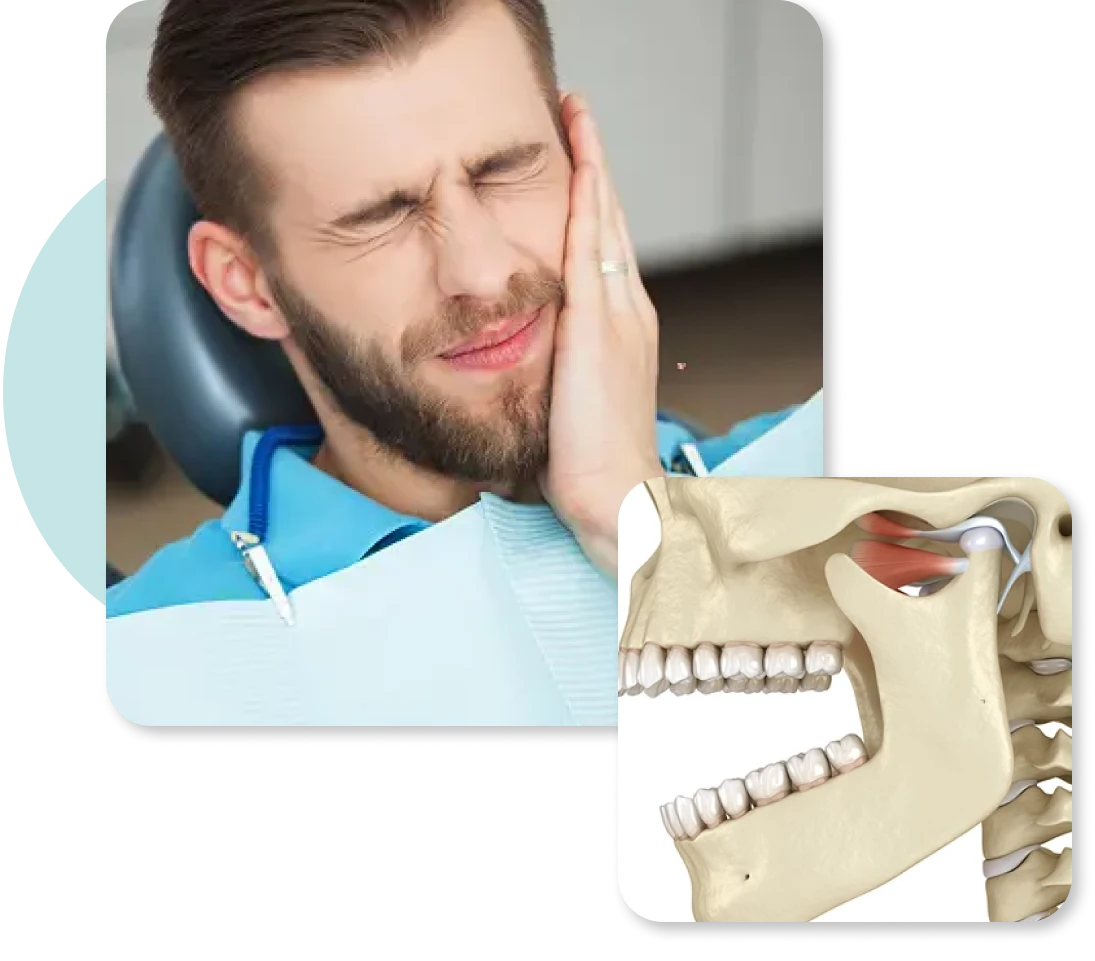
TMJ disorder treatment may be needed when the jaw joint or surrounding muscles cause repeated pain, stiffness, or movement problems. Common signs include jaw clicking, jaw locking, pain near the ear, headaches, facial muscle tension, difficulty chewing, or discomfort when opening the mouth wide.
Some patients also have tooth wear, broken restorations, or morning jaw soreness because of clenching or grinding. In these cases, the dentist may check whether the problem is linked to bite pressure, missing teeth, old crowns, or alignment issues. Depending on the cause, the plan may involve TMJ disorder treatment, maxillofacial care, orthodontics, teeth crowns, or teeth restoration.
TMJ disorder treatment options in Abu Dhabi
TMJ treatment depends on the cause of the pain. Some cases are related to muscle tension, while others are linked to bite imbalance, teeth grinding, missing teeth, trauma, inflammation, or jaw joint problems.
- Dental examination and bite assessment help the dentist understand how the upper and lower teeth meet. If bite pressure is uneven, the dentist may check old fillings, crowns, bridges, missing teeth, or tooth wear. In some cases, tooth fillings, teeth crowns, or dental bridges may be part of the broader plan.
- Night guard or bite splint may be recommended for patients who clench or grind their teeth. This can help reduce pressure on the teeth and jaw joint while sleeping.
- Jaw muscle care and habit control may include guidance on avoiding hard chewing, nail biting, gum chewing, wide yawning, and repeated jaw strain. The dentist may also advise warm compresses or simple jaw relaxation steps when appropriate.
- Orthodontic evaluation may be needed if the jaw pain is linked to bite alignment. The dentist may refer the patient to Invisalign, ceramic braces, or metal braces if alignment treatment is suitable.
- Maxillofacial assessment may be needed for complex jaw joint cases, trauma-related pain, jaw movement limitation, or structural jaw problems. In selected cases, the patient may need further evaluation under jaw surgery or facial trauma surgery services.
Start Your Journey To a Perfect Smile
Reach out to us today and take the first step toward achieving the beautiful, healthy smile you deserve.
TMJ disorder treatment steps
TMJ disorder treatment starts with a consultation. The dentist asks about jaw pain, clicking, headaches, chewing discomfort, grinding habits, previous trauma, dental history, and when the symptoms started.
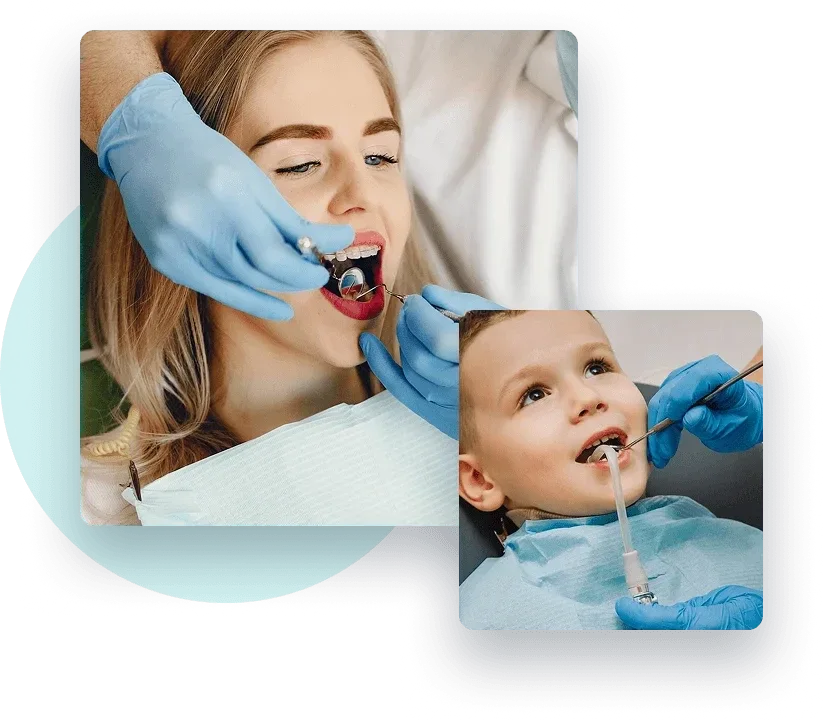
The next step is a clinical examination. The dentist checks jaw movement, mouth opening, joint sounds, muscle tenderness, bite contact, tooth wear, old restorations, and missing teeth. If needed, imaging or further dental evaluation may be recommended to understand the joint and surrounding structures more clearly.
After diagnosis, the dentist explains the cause and treatment options. Some patients may need simple habit changes and a night guard. Others may need bite correction, restoration of damaged teeth, orthodontic assessment, or maxillofacial evaluation. If the patient also has tooth pain, decay, or gum inflammation, general dentistry, root canal treatment, or gum disease treatment may be needed before or alongside TMJ care.
Benefits and limitations of TMJ disorder treatment
TMJ disorder treatment can help reduce jaw pain, improve chewing comfort, protect teeth from grinding damage, and make jaw movement easier. When the cause is identified early, treatment may also reduce pressure on crowns, fillings, bridges, and natural teeth.
A proper TMJ plan can also help patients understand daily habits that make symptoms worse. This is important because jaw pain is not always caused by one problem. It may come from muscle tension, stress-related clenching, tooth wear, missing teeth, bite imbalance, or joint irritation.
However, TMJ treatment has limits. Long-standing joint damage, severe jaw locking, trauma-related problems, or complex bite issues may need a longer plan. Some patients may need care from more than one dental specialty, including maxillofacial treatment, orthodontics, teeth restoration, or dental implants if missing teeth affect bite stability.
Side effects and risks of TMJ disorder treatment
Most TMJ treatment plans start with conservative options, but each case still needs proper diagnosis. A night guard or bite splint may feel unusual at first. Some patients need time to adjust to wearing it during sleep. If it feels painful, too tight, or changes the bite, the dentist should adjust it.
If jaw pain is treated without checking the cause, symptoms may continue or return. For example, a patient with grinding may damage teeth again if the habit is not controlled. A patient with missing teeth may continue to overload other teeth if the bite is not restored. A patient with jaw trauma may need more detailed evaluation under maxillofacial care.
Ignoring TMJ symptoms can also lead to more discomfort, increased tooth wear, broken fillings, crown problems, headaches, or chewing difficulty. That is why early diagnosis is important when jaw clicking, pain, or locking happens repeatedly.
Cost of TMJ disorder treatment in Abu Dhabi
The cost of TMJ disorder treatment in Abu Dhabi varies because the treatment plan depends on the cause. A simple consultation and night guard will not cost the same as a case that needs bite correction, orthodontic assessment, restoration of damaged teeth, imaging, or maxillofacial evaluation.
The dentist will first examine the jaw joint, teeth, bite, and muscles, then explain the recommended plan and expected cost. If related dental treatments are needed, the team may also discuss teeth crowns, tooth fillings, teeth restoration, or orthodontic treatment only when they are relevant to your case.
Insurance and payment options for TMJ disorder treatment
Insurance coverage for TMJ disorder treatment may vary depending on the cause of the problem, the diagnosis, the type of treatment, and the approval rules of the insurance provider. Some plans may cover consultation or medically needed dental care, while cosmetic or optional parts may not be covered.
Al Safwa Medical Center can help patients check coverage with providers such as Thiqa, ADNIC, NAS, Daman, and Oman Insurance / Sukoon. Payment options may also include Tabby or selected offers through Fazaa, depending on eligibility and clinic policy.
FAQs about TMJ disorder treatment in Abu Dhabi
Here are some answers to commonly asked questions about our Medical services
What is TMJ disorder?
TMJ disorder is a problem affecting the jaw joint, jaw muscles, or bite function. It can cause jaw pain, clicking, headaches, ear-area discomfort, chewing pain, or limited mouth opening.
What are the symptoms of TMJ disorder?
Common symptoms include jaw clicking, jaw locking, facial pain, headaches, pain while chewing, ear-area discomfort, morning jaw soreness, and difficulty opening the mouth fully.
Can teeth grinding cause TMJ pain?
Yes, clenching and grinding can overload the jaw muscles and joint. They can also damage teeth, crowns, fillings, and restorations. A dentist may recommend a night guard if grinding is part of the problem.
Do I need jaw surgery for TMJ disorder?
Most TMJ cases do not start with surgery. Many patients begin with conservative care such as habit control, bite assessment, and night guard use. Complex cases may need evaluation under jaw surgery or maxillofacial care.
Can orthodontics help TMJ disorder?
Orthodontics may help selected cases where bite alignment contributes to jaw pressure. The dentist may discuss Invisalign, ceramic braces, or metal braces if alignment treatment is relevant.
Is jaw clicking always serious?
Jaw clicking is not always serious, but repeated clicking with pain, locking, chewing difficulty, or limited movement should be checked by a dentist.
Can TMJ pain feel like ear pain?
Yes, TMJ pain may be felt near the ear because the jaw joint is close to the ear area. A dental examination can help identify whether the pain may be related to the jaw joint
How is TMJ disorder diagnosed?
The cost varies by case. It depends on the number of veneers, smile design needs, tooth condition, and lab work. You can contact Al Safwa Medical Center to check prices after an examination
How much does TMJ disorder treatment cost in Abu Dhabi?
The cost varies depending on the diagnosis and treatment needed. A night guard, bite correction, dental restoration, orthodontic assessment, or maxillofacial evaluation can all affect the final cost.
When should I see a dentist for TMJ pain?
You should see a dentist if jaw pain, clicking, locking, headaches, chewing discomfort, or limited mouth opening happens repeatedly or affects daily life.
