
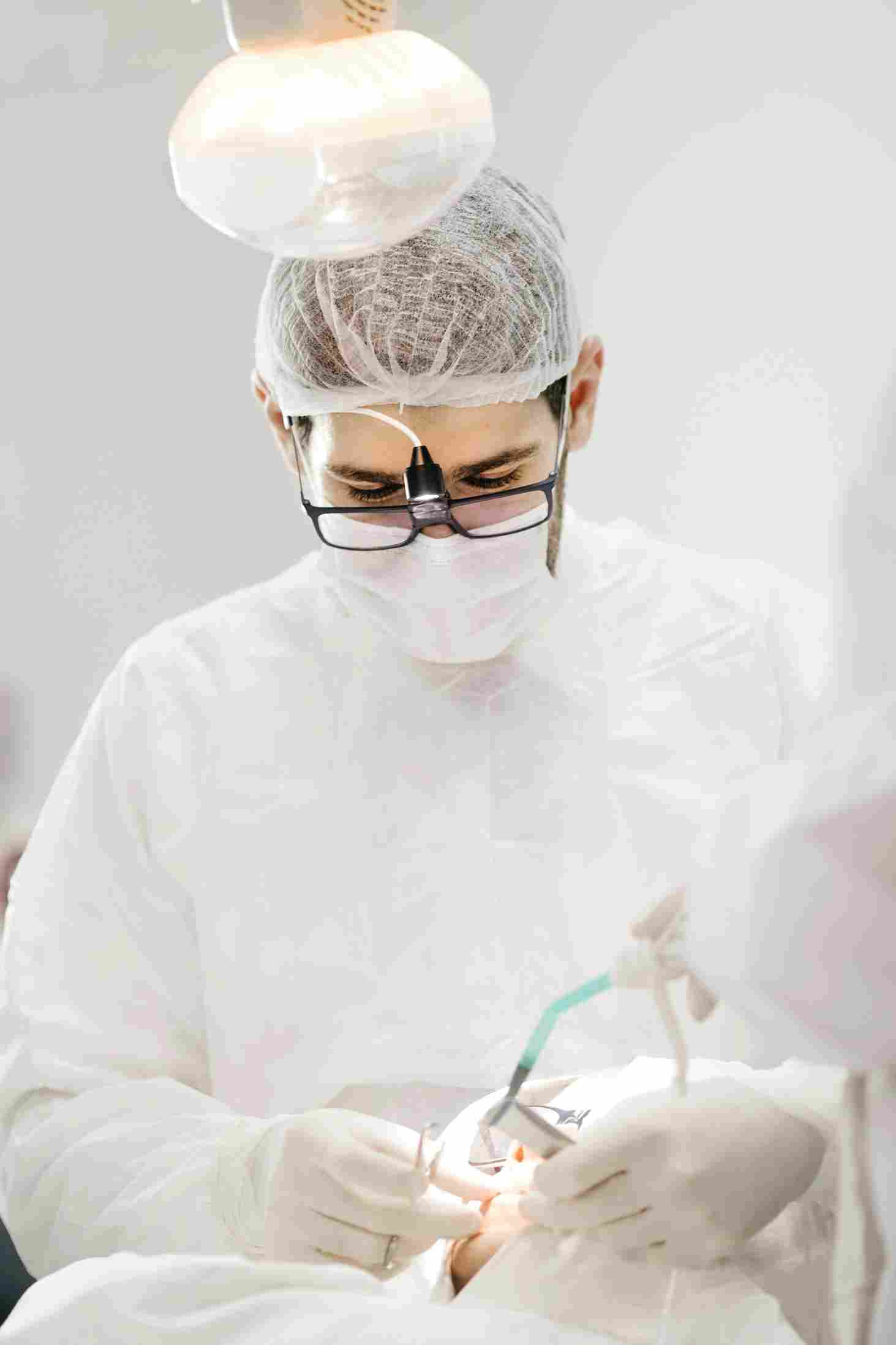
When patients hear that they may need bone grafting before dental implants, the first reaction is often concern. Many assume the implant plan has suddenly become much more complicated. In reality, bone grafting Abu Dhabi is often a practical preparatory step rather than a sign that treatment is failing before it begins. The main goal is simple: create a stronger, more suitable bone foundation so the implant can be placed in the right position and remain stable long term.
This matters because an implant is not placed into empty space. It needs enough bone around it for support, integration, and healthy surrounding tissues. If that bone volume is too thin or too low, the dentist may recommend a bone graft before implant placement. In many cases, the issue is not the missing tooth itself but the change that happened to the jaw after the tooth was lost.
At Al Safwa Medical Center in Bani Yas, implant planning is based on function, bone support, and long term stability rather than speed alone. This article explains what bone grafting is, when it is needed, how jaw bone loss develops, what graft healing time usually means in practice, and how this step affects dental implant planning.
What is bone grafting before a dental implant?
A bone graft is a procedure used to increase or support the bone in an area where an implant is planned. The purpose is not just to “fill a gap.” The real goal is to rebuild or preserve enough bone volume so the implant can be surrounded by stable supporting tissue.
In practical terms, bone graft before implant treatment may be recommended to:
- increase bone width
- improve bone height in selected areas
- support implant stability
- improve the shape of the ridge for better implant positioning
- support gum contour, especially in visible areas
- reduce the risk of future exposure or weak support around the implant
This means bone grafting Abu Dhabi is often part of good implant preparation, not an optional extra added without reason.
Why does jaw bone loss happen after a tooth is lost?
One of the most common reasons for grafting is jaw bone loss after tooth extraction or long term tooth absence.
Natural tooth roots stimulate the surrounding bone during chewing. Once a tooth is lost, that stimulation decreases. Over time, the bone in that area begins to shrink. This process may affect both the width and height of the ridge.
Common reasons for jaw bone loss include:
- tooth extraction followed by a long delay before replacement
- chronic infection around the original tooth
- advanced periodontal disease before tooth loss
- traumatic extraction in some cases
- natural ridge shrinkage over time
- anatomical limitations in certain parts of the jaw
This is why the amount of time between tooth loss and implant placement matters. A recently extracted tooth site may still have enough bone, while an older site may need a bone graft before implant placement becomes predictable.
Does every implant patient need bone grafting?
No. Not every patient needs it.
Some patients still have enough bone for direct implant placement without additional grafting. Others have minor defects that can be corrected during the same appointment as implant placement. And some have more significant jaw bone loss that requires grafting first.
The need for grafting depends on:
- how long the tooth has been missing
- bone width at the implant site
- bone height at the implant site
- the location in the upper or lower jaw
- whether infection damaged the area before extraction
- whether the site is in a highly visible esthetic area
- whether immediate implant placement is possible
- the overall goals of dental implant planning
So the answer is never based on guesswork. It is based on examination and imaging.
When is bone grafting clearly needed before implants?
A bone graft before implant is more likely to be recommended when the dentist identifies one or more of the following situations.
The ridge is too thin
If the bone is too narrow, the implant may not be surrounded by enough bone on all sides. This affects stability and long term support.
The height is limited
In some areas, available height may be reduced because of ridge resorption or nearby anatomical structures.
There was infection or bone destruction before extraction
If the original tooth had a large abscess, periodontal damage, or advanced bone loss, the site may not be ideal for direct implant placement.
The implant is planned in a visible front area
In the esthetic zone, bone support is not only about function. It also affects the shape of the gums and the final appearance.
The site has been missing a tooth for a long time
Longstanding jaw bone loss often makes implant placement less predictable without grafting.
The dentist wants a better long term foundation
Sometimes an implant could technically be placed without grafting, but not in the most ideal way. In those cases, grafting may be recommended to improve the final result, not just to make the procedure possible.
How do dentists know if bone grafting is needed?
The decision is usually made through a combination of clinical evaluation and imaging.
A proper implant assessment may include:
- examining the shape of the gum and ridge
- reviewing the history of extraction or infection
- checking space for the future restoration
- using radiographs
- using 3D imaging such as CBCT when needed for precise measurements
This is one of the most important parts of dental implant planning. The dentist is not only asking, “Can an implant fit?” The better question is, “Can it be placed in the right position with enough surrounding support?”
That is why bone grafting Abu Dhabi decisions should always be linked to a structured implant plan, not just to a quick visual estimate.
Can bone grafting and implant placement happen at the same time?
Sometimes yes, and sometimes no.
This depends on how much bone is missing and whether the implant can still achieve good initial stability at the time of placement.
Grafting before the implant
This is used when the bone deficiency is more significant and the area needs time to build volume before the implant can be placed safely.
Grafting at the same time as the implant
In some cases, the implant can be placed and a localized graft added around it during the same procedure to improve support.
The choice depends on:
- the amount of remaining bone
- the type of defect
- the ability to stabilize the implant well
- the location of the tooth
- the goals of the final restoration
So bone graft before implant does not always mean a long separate process, but it often does influence timing and sequence.
What materials are used for bone grafting?
Patients often ask whether the graft is taken from their own body or made from another material. The answer depends on the case.
Different graft materials may be used in implant dentistry, including:
- bone substitute materials
- grafts that support natural bone regeneration
- combinations of materials based on the clinical need
- in selected cases, graft material from the patient’s own body
The choice is based on defect size, location, biological goals, and surgical strategy. For patients, the more useful question is not the material name alone, but why that material suits the implant site and expected healing pattern.
Does needing bone grafting mean the case is serious?
Not necessarily.
Patients often worry that grafting means the treatment is suddenly complicated or risky. In many cases, it simply means the dentist is planning properly.
A bone graft before implant may be recommended because:
- the bone needs minor support
- the ridge shape needs improvement
- the implant position needs better surrounding volume
- the esthetic result needs stronger tissue support
- long term stability matters more than placing the implant as quickly as possible
So while bone grafting Abu Dhabi does add a step in many cases, it often improves predictability rather than signalling a major problem.
How does bone grafting change the treatment plan?
This is one of the most practical questions in dental implant planning.
Adding grafting can change:
The sequence of treatment
Instead of extraction followed by direct implant placement, the plan may become:
- extraction
- healing or grafting
- graft healing period
- implant placement
- implant healing
- final restoration
Or it may become:
- implant placement plus localized grafting
- healing period
- final restoration later
The healing timeline
A graft may require time before the implant can be placed or loaded.
The number of visits
The total number of appointments may increase depending on the complexity of the site.
The patient’s expectations
Patients need to understand that a longer plan is not necessarily a worse plan. Often it is the better long term one.
This is why dental implant planning must be explained clearly before treatment starts.
What is graft healing time and why does it matter?
Graft healing time refers to the period needed for the grafted area to stabilize and mature enough for the next stage of treatment.
Just like implant healing, this has two different aspects:
Soft tissue healing
The gum closes and feels better relatively early.
Bone healing
The deeper site continues to remodel and integrate biologically over a longer period.
This matters because a patient may feel fine much sooner than the grafted site is fully ready for implant placement or final loading. The dentist does not decide the next step based only on comfort. The decision depends on whether the bone has had enough time to mature appropriately.
Actual graft healing time varies depending on:
- the size of the defect
- the type of graft used
- whether the graft was placed alone or with an implant
- the location in the jaw
- the patient’s healing response
- smoking and oral hygiene
- the presence or absence of previous infection
So the timeline is individualized rather than identical for every case.
What should patients expect in the first few days after bone grafting?
In the first few days after bone grafting Abu Dhabi, patients may notice:
- mild to moderate soreness
- swelling in the area or nearby cheek
- tenderness while chewing
- the need for soft food
- mild pressure around the surgical site
- light bleeding in the first hours in some cases
This is a normal early healing phase in many graft cases. What matters most is the direction of improvement. The first days may feel active, but symptoms should gradually settle rather than intensify.
What happens during the following weeks?
In the weeks after surgery, the gum usually becomes calmer and more comfortable. Patients often feel that the area is nearly normal again. That can be reassuring, but it does not mean the graft has fully matured.
Internally, the site is still going through:
- bone remodeling
- tissue organization
- graft integration
- preparation for the implant phase or later restoration
This is why graft healing time is not judged from surface comfort alone.
Can smoking affect graft healing?
Yes, significantly.
Smoking can negatively affect:
- blood supply to the tissues
- soft tissue healing
- bone regeneration
- infection resistance
- overall graft stability
That is one reason why smoking is a serious discussion point in dental implant planning. Patients who smoke may still be treated, but they need a realistic understanding of how this may influence the healing process and long term outcomes.
What can make graft healing take longer?
Several factors can extend graft healing time, including:
- smoking
- uncontrolled diabetes
- poor oral hygiene
- larger graft size
- previous infection in the site
- complex ridge defects
- pressure or trauma to the area during healing
- missed follow up care
This is why each plan is built around the patient’s actual clinical condition rather than a generic schedule.
What signs should patients report after bone grafting?
Patients should contact the clinic if they experience:
- swelling that keeps worsening instead of settling
- severe or increasing pain
- unusual discharge or bad taste
- persistent bleeding that does not calm down
- fever
- foul odor from the site
- wound opening or signs the area is not healing properly
Normal recovery trends toward gradual improvement. Concerning recovery trends toward deterioration.
Does bone grafting improve esthetic results too?
Yes, especially in the front teeth.
In visible areas, bone graft before implant treatment may help not only with implant stability, but also with:
- supporting the gum contour
- reducing collapse in the ridge
- improving symmetry around the future implant crown
- creating a more natural emergence profile
- reducing the risk of visible irregularities in the smile line
This is one reason dental implant planning in front teeth is often more detailed than in purely functional back tooth cases.
Is bone grafting always a large procedure?
No. This is another common misunderstanding.
Jaw bone loss can be mild, moderate, or more advanced. Some patients need only a small localized graft to improve support around one implant site. Others need broader augmentation before implant placement becomes appropriate.
So hearing that grafting is needed does not automatically mean the treatment is major. Sometimes the adjustment is relatively limited, but still very important for achieving a stronger implant foundation.
Plan your implant treatment around the bone foundation, not just the missing tooth
If you are considering dental implants Abu Dhabi and your scan shows jaw bone loss, the next step is not to rush toward implant placement without understanding the foundation first. In many patients, bone grafting Abu Dhabi is the step that makes the implant plan more predictable, more stable, and better suited for long term function.
If your main concern is whether you need a bone graft before implant placement, a full review of your scan and ridge condition can clarify whether grafting is essential or simply recommended to improve the result. If the missing tooth has been gone for a long time or the area had previous infection, a discussion about dental implant planning becomes especially important because timing and sequencing may change. And if the site also has gum issues or a history of periodontal breakdown, your dentist may also need to assess gum treatment in Abu Dhabi before moving into the surgical phase so the bone and soft tissue environment are both well prepared.
Booking an assessment at our dentist appointment Bani Yas clinic allows the dentist to evaluate the site carefully, explain the expected graft healing time, and determine whether your implant can be placed directly, with simultaneous grafting, or only after a dedicated graft healing phase.
