
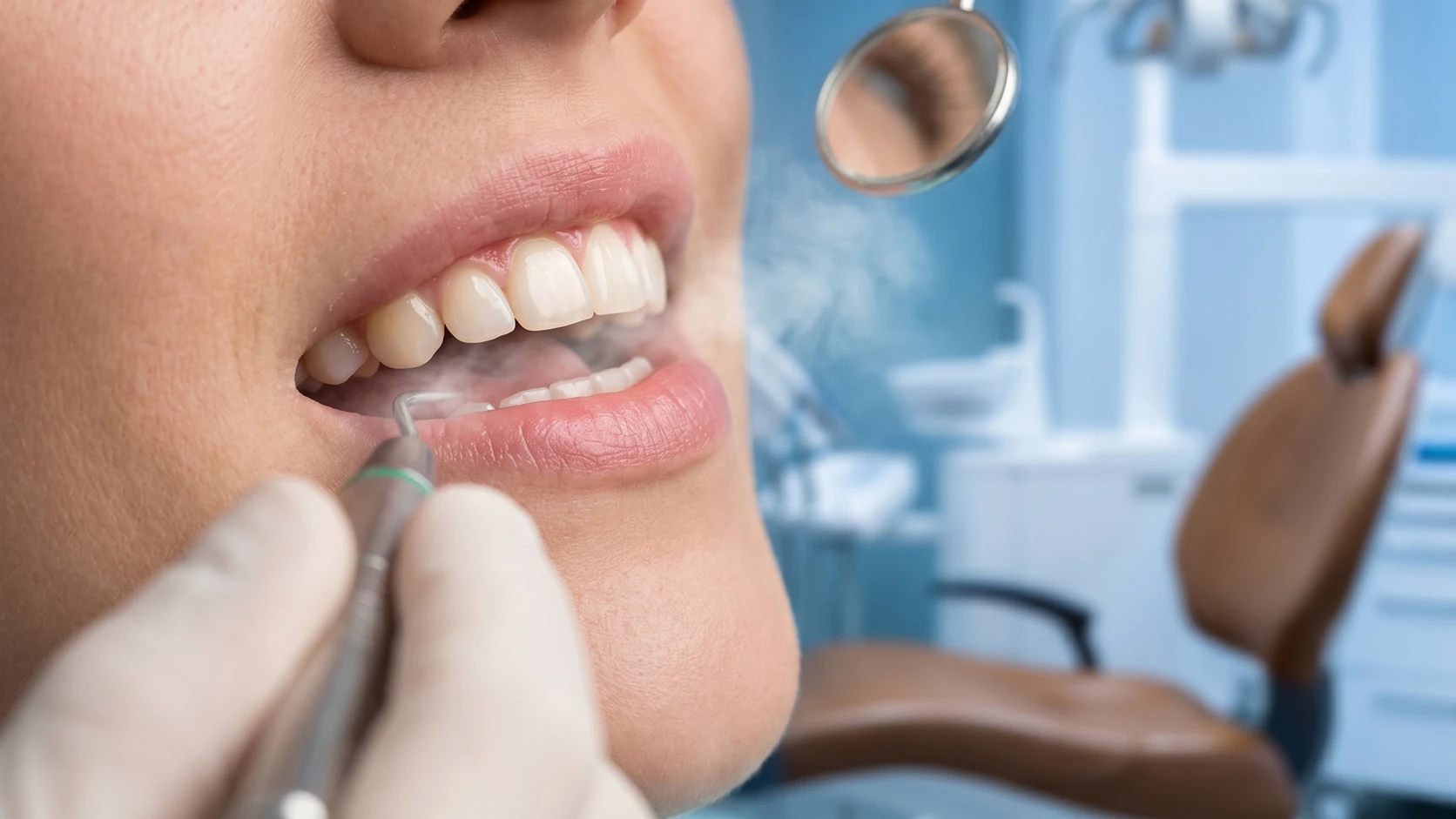
Bad breath that returns no matter how often you brush is not a hygiene problem — it is a clinical signal. General dentistry in Abu Dhabi regularly identifies bad breath as one of the most common patient concerns, and one of the most consistently treatable once the root cause is properly diagnosed. If mouthwash gives you temporary relief but the problem keeps returning, the cause is almost certainly dental rather than dietary, and it deserves a proper clinical assessment.
This guide covers the most common causes of persistent bad breath, how dentists in Abu Dhabi identify the source, and what treatment actually looks like — including when gum disease treatment, professional cleaning, or other dental procedures are the right next step. It builds on the detailed overview available in finding the right dental clinic in Abu Dhabi for comprehensive care.
What actually causes bad breath?
The medical term for bad breath is halitosis. It originates from volatile sulphur compounds (VSCs) produced by bacteria as they break down proteins in the mouth. The concentration of these compounds — and the intensity of the odour — depends on how much bacterial activity is present, where it is occurring, and whether the conditions in the mouth are favouring bacterial growth.
Most persistent bad breath originates in the mouth itself. A smaller proportion comes from conditions in the throat, sinuses, or digestive system. A dentist can identify which category applies through a systematic oral assessment.
Bacterial accumulation on the tongue
The rough surface of the tongue — particularly the back third — is the most common single source of bad breath odour. Food debris, dead cells, and bacteria collect in the tongue’s irregular surface and produce sulphur compounds continuously. Toothbrushing alone does not address this. Daily tongue cleaning with a tongue scraper or the reverse side of a toothbrush significantly reduces this accumulation and is one of the simplest, most impactful changes a patient can make.
Gum disease
Periodontal disease — inflammation and infection of the tissue and bone supporting the teeth — is among the most clinically significant causes of persistent bad breath. Gum pockets that deepen as the disease progresses become reservoirs for bacteria, decomposing debris, and inflammatory fluid that no toothbrush can reach. The odour from active periodontal disease is distinctive and persistent. Gum disease treatment in Abu Dhabi — including professional deep cleaning and, where necessary, periodontal surgery — addresses the bacterial reservoir directly. Early warning signs like bleeding gums are covered in detail in the guide to causes of gum bleeding and treatment options.
Untreated cavities and failing restorations
Tooth decay creates cavities — spaces where bacteria and food debris accumulate in areas impossible to clean effectively at home. Old or broken dental fillings that have cracked or pulled away from the tooth create similar traps. Treating the decay and replacing failing restorations removes the bacterial habitat and eliminates this source of odour entirely.
Partially erupted or impacted wisdom teeth
Wisdom teeth that have not fully emerged leave a flap of gum tissue over them that traps food and bacteria in a site that is almost impossible to clean properly. This is a consistent and recurring source of bad breath and inflammation. Wisdom teeth removal in Abu Dhabi resolves this problem permanently in most cases.
Dry mouth
Saliva plays a critical role in oral health — it washes away food particles, neutralises acids, and suppresses bacterial overgrowth. When saliva production is reduced, bacteria flourish and volatile sulphur compound production increases. Dry mouth is commonly caused by mouth breathing, certain medications (antihistamines, antidepressants, some blood pressure medications), dehydration, and tobacco use. Addressing the underlying cause and maintaining adequate hydration supports saliva function and reduces bacterial activity. The NHS notes that dry mouth is one of the most frequently overlooked contributors to persistent bad breath.
Causes outside the mouth
In a smaller proportion of cases, bad breath originates from outside the oral cavity — chronic sinusitis, acid reflux, and certain systemic conditions including kidney or liver disease can each produce characteristic breath odours. When a thorough dental assessment finds no oral cause, referral to a general practitioner for systemic evaluation is the appropriate next step.
| Cause | Nature of odour | Treatment approach |
|---|---|---|
| Tongue bacteria accumulation | General unpleasant odour | Daily tongue cleaning, professional scaling |
| Gum disease | Distinctive, persistent | Periodontal treatment and deep cleaning |
| Tooth decay or failing fillings | Localised, pungent | Cavity treatment, restoration replacement |
| Wisdom teeth | Persistent with unpleasant taste | Wisdom tooth removal |
| Dry mouth | Worse in the morning | Address cause, increase hydration |
| Systemic causes | Characteristic to each condition | Specialist medical evaluation |
How is the cause of bad breath diagnosed?
A proper diagnosis starts with a comprehensive clinical examination that covers: the teeth for decay and failing restorations, the gums for pocket depth and signs of active inflammation, the tongue and soft tissues, and a review of the patient’s medical history and current medications. A professional teeth scaling session itself often gives the dentist a clearer view of gum health and identifies bacterial deposits that were not visible before cleaning.
Informing your dentist about all medications you take is important — many commonly prescribed drugs cause dry mouth as a side effect, and this is a treatable contributing factor once identified.
Does mouthwash treat bad breath?
Mouthwash provides temporary freshness but does not treat the underlying cause of chronic bad breath. Some formulations — particularly those containing zinc chloride or chlorine dioxide — reduce volatile sulphur compounds temporarily by neutralising them chemically. They do not, however, remove the bacterial reservoirs in gum pockets, cavities, or tongue coating that produce those compounds continuously. The American Dental Association is clear that treating the root cause is the only reliable path to resolving persistent bad breath.
How to prevent bad breath from returning after treatment
Once the dental cause has been treated, maintaining the result depends on a consistent daily routine and regular professional monitoring. Brush for at least two minutes twice daily, paying close attention to the gumline. Use interdental brushes or floss daily to clean between teeth where the toothbrush cannot reach. Clean the tongue every day. Drink adequate water throughout the day to support saliva production. Visit your dentist at least every six months for a professional cleaning and gum health review.
Tobacco cessation has a substantial impact — smoking reduces salivary flow, damages gum tissue, and embeds odour-producing compounds into the soft tissues of the mouth in ways that no mouthwash or cleaning routine fully counteracts. It also significantly increases the risk of periodontal disease, which is itself one of the primary causes of persistent bad breath.
Are you looking for bad breath treatment in Abu Dhabi?
At Al Safwa Medical Center in Bani Yas, Abu Dhabi, the general dentistry and periodontics teams carry out a thorough clinical assessment to identify the root cause of bad breath and develop an appropriate treatment plan. The first visit delivers a clear diagnosis — not a guess — and a structured path to resolution.
- Professional teeth scaling Abu Dhabi
- Gum disease treatment Abu Dhabi
- Periodontics Abu Dhabi
- Dental fillings Abu Dhabi
- Wisdom teeth removal Abu Dhabi
- Book a consultation
The dental team at Al Safwa is ready to assess your situation and recommend the most appropriate course of treatment during your first visit.
Frequently asked questions
Why do I still have bad breath after brushing my teeth?
If bad breath persists despite regular brushing, the most likely causes are bacteria accumulating on the back of the tongue, gum disease creating bacterial pockets below the gumline, a cavity or failing restoration trapping debris, or dry mouth. Toothbrushing cleans tooth surfaces but does not reach gum pockets, the back of the tongue, or spaces between teeth effectively. A dental assessment is the most reliable way to identify which of these applies.
Is bad breath a sign of a serious condition?
In the large majority of cases, bad breath has a dental cause that is straightforward to treat. A smaller proportion of cases involve systemic conditions — including digestive, kidney, or liver issues — that produce characteristic breath odours. If a thorough dental examination finds no oral cause, your dentist will typically advise a general medical review to investigate systemic possibilities.
Does professional dental cleaning help with bad breath?
Yes. Professional scaling removes calculus and plaque from areas that home brushing cannot reach, substantially reducing the bacterial load that produces bad breath. When gum disease is the cause, deep cleaning below the gumline — subgingival debridement — removes bacterial deposits from periodontal pockets and is typically the primary treatment step.
Can wisdom teeth cause bad breath?
Yes. Partially erupted wisdom teeth leave a pocket of gum tissue that consistently traps food and bacteria in a site almost impossible to clean properly at home. This is a recurring source of odour and inflammation. Removing the wisdom teeth resolves this problem permanently in most cases.
How long does bad breath treatment take?
The timeline depends entirely on the cause. A professional cleaning session and improved tongue-cleaning routine can produce noticeable improvement within days when bacterial accumulation is the primary cause. Treating active gum disease requires a more structured course of periodontal care, with improvement typically noticeable after the first deep cleaning session and ongoing over subsequent weeks. Your dentist will give you a realistic timeframe after the initial assessment.
