
Losing a tooth creates two problems at the same time: the visible gap and the hidden changes that happen in your bite, gums, and jawbone. That is why choosing between dental implants Abu Dhabi and a dental bridge Abu Dhabi is not only about appearance. It is also about how long the replacement may last, how it affects nearby teeth, and how much care it will need over time.
In most suitable cases, dental implants tend to last longer than traditional bridges because they replace the tooth root and do not rely on neighboring teeth for support. A dental bridge can still be a strong and practical choice, especially when the teeth beside the gap already need crowns, or when surgery is not the right option.
This guide compares missing tooth replacement options clearly, including implant longevity, bridge lifespan, maintenance needs, risks, and the situations where each treatment may be the better choice.
What is the difference between a dental implant and a bridge?
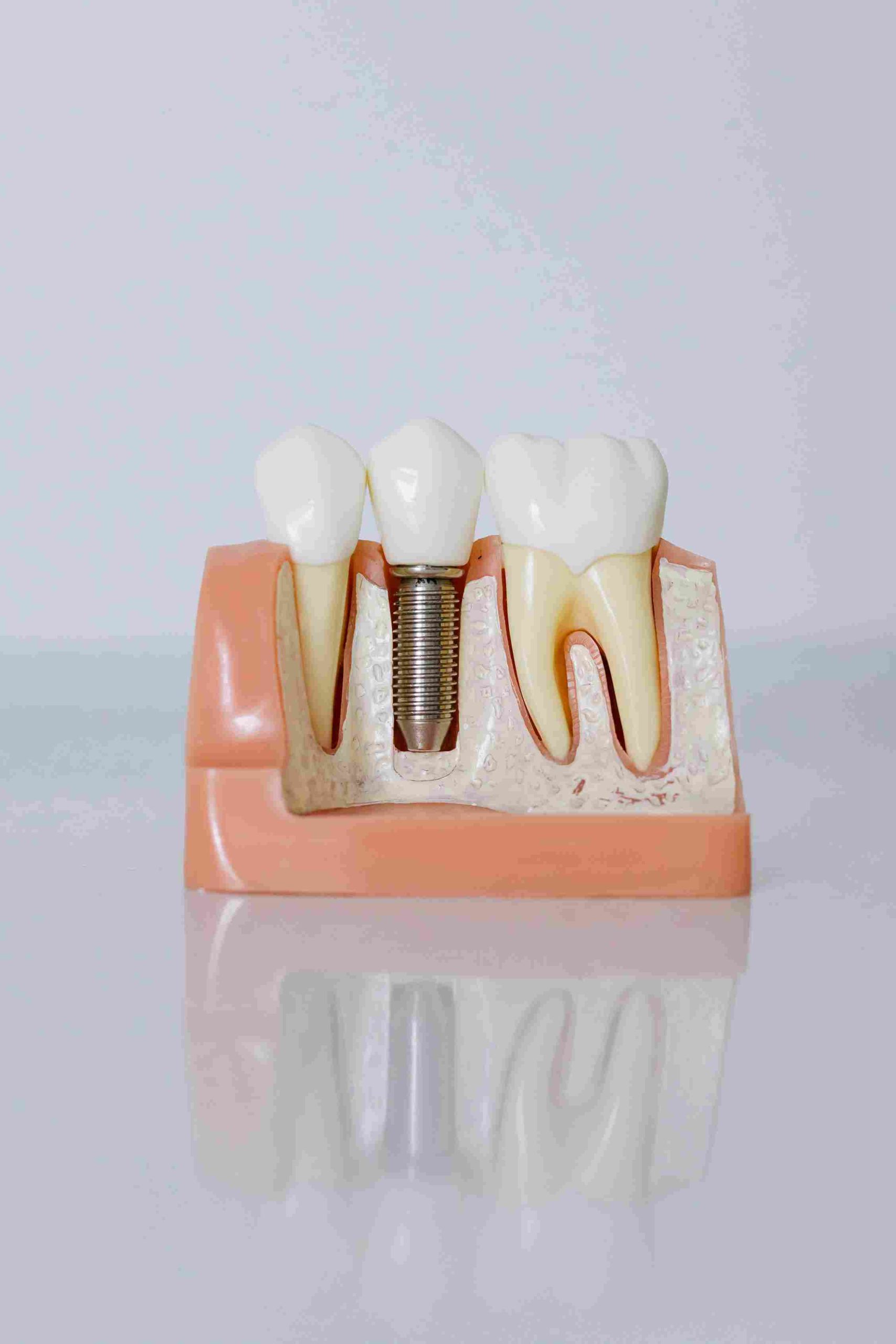
A dental implant replaces a missing tooth by placing a small titanium post in the jawbone. After healing, a crown is attached to the implant to restore the visible part of the tooth. This means the implant works as an artificial root and supports the final crown independently.
A dental bridge replaces the missing tooth by using the teeth on both sides of the gap as support. These supporting teeth are usually reshaped and covered with crowns, while the artificial tooth sits between them.
Here is the simple difference:
| Feature | Dental implant | Dental bridge |
| Support | Jawbone | Neighboring teeth |
| Surgery | Usually required | Usually not required |
| Effect on nearby teeth | Usually does not require reshaping healthy teeth | Usually requires reshaping supporting teeth |
| Bone stimulation | Helps support the bone through chewing force | Does not replace the root |
| Treatment time | Longer because healing is needed | Usually faster |
| Long-term maintenance | Needs gum and implant care | Needs cleaning under the bridge |
| Best suited for | Healthy bone, healthy gums, long-term replacement | Faster fixed replacement or weak neighboring teeth |
Both treatments can restore chewing and improve appearance. The right choice depends on your oral health, not only on which option sounds stronger.
Which lasts longer: dental implants or bridges?
In general, dental implants last longer than dental bridges when they are planned well and cared for properly. The implant post can last for many years, and sometimes decades, if the surrounding bone and gum tissue remain healthy.
However, the crown on top of the implant may need replacement earlier than the implant itself. Like any dental crown, it can wear, chip, or need adjustment over time.
A bridge can also last for many years, but its lifespan depends strongly on the health of the supporting teeth. If one of those teeth develops decay, gum disease, fracture, or root infection, the bridge may fail even if the artificial tooth still looks fine.
According to the American Dental Association, dental implants are considered a long-term tooth replacement option. Mayo Clinic also explains that implant treatment requires careful surgical planning because it depends on bone, gum health, and nearby anatomical structures.
So the practical answer is:
Implants often last longer, but bridges can be the better choice when the surrounding teeth already need crowns or when implant surgery is not suitable.
Why do dental implants often last longer?
Dental implants often last longer because they are anchored directly into the jawbone. They do not depend on nearby teeth for support, so they avoid one of the main weaknesses of traditional bridges.
Several factors support implant longevity:
- The implant replaces the missing root.
- Nearby teeth usually do not need to be cut down.
- Chewing pressure is transferred into the jawbone.
- The implant-supported crown works like a single tooth.
- Implants do not get cavities.
- The replacement is easier to clean than some bridge designs.
This does not mean implants are maintenance-free. The gum and bone around the implant must stay healthy. If plaque builds up around the implant, inflammation can develop. Over time, this may affect the bone supporting the implant.
Patients considering dental implants in Abu Dhabi need a full evaluation first. The dentist checks the jawbone, gum condition, bite pressure, medical history, and the space available for the implant.
Why can bridge lifespan be shorter?
A bridge can fail because of problems in the supporting teeth, not only because of the bridge itself. Since a traditional bridge depends on adjacent teeth, those teeth carry extra responsibility.
The most common reasons that reduce bridge lifespan include:
- Decay under the supporting crowns
- Gum disease around the anchor teeth
- Fracture of a supporting tooth
- Poor cleaning under the artificial tooth
- Heavy bite pressure or teeth grinding
- Loose cement
- Wear or fracture in the bridge material
Cleaning a bridge is also more detailed than cleaning a single tooth. Food and plaque can collect under the artificial tooth, so many patients need floss threaders, interdental brushes, or water flossers.
A dental bridge in Abu Dhabi may still be a reliable option when the case is suitable. It can be especially useful if the adjacent teeth already need dental crowns.
When is a dental implant the better choice?
A dental implant may be the better option when the teeth beside the gap are healthy and the patient wants a long-term replacement that does not depend on them.
Implants are often suitable when:
- One tooth is missing.
- The neighboring teeth are healthy.
- There is enough bone in the jaw.
- Gum disease is controlled.
- The patient can maintain good oral hygiene.
- The patient wants to avoid reshaping healthy teeth.
- The bite can be managed safely.
- The patient is medically suitable for minor oral surgery.
For example, if a patient loses one molar and the teeth beside it are healthy, placing a bridge may require removing enamel from two healthy teeth. In that situation, an implant may be more conservative because it replaces only the missing tooth.
Implants are also useful for back teeth because molars handle strong chewing forces. A well-planned implant can restore chewing function without placing extra load on adjacent teeth.
When is a dental bridge the better choice?
A bridge may be the better option when the patient needs a faster fixed replacement, cannot have surgery, or already has weak teeth on both sides of the gap.
A bridge may be suitable when:
- The neighboring teeth already need crowns.
- The patient wants a shorter treatment timeline.
- The patient is not a good surgical candidate.
- Bone volume is not enough for an implant.
- Bone grafting is not preferred.
- The gap and bite pattern suit a bridge.
- Cost or treatment time is a major concern.
For example, if the two teeth beside the missing tooth are heavily filled, cracked, or already planned for crowns, a bridge may solve more than one problem. It can restore the missing tooth and strengthen the adjacent teeth at the same time.
This is why the choice between dental implants Abu Dhabi and dental bridge Abu Dhabi should be based on a dental exam, X-rays, and a clear long-term plan.
How do bone and gum health affect the decision?
Bone and gum health are major factors in both treatments.
Dental implants need enough bone to hold the implant securely. If the tooth has been missing for a long time, the bone in that area may shrink. In some cases, bone grafting may be needed before or during implant treatment.
Gum health is equally important. Active gum disease can increase the risk of implant complications and can also weaken the teeth that support a bridge.
A bridge depends on the strength of the supporting teeth. If those teeth have gum disease, deep decay, mobility, or large old restorations, the bridge may not last as expected.
Before choosing any missing tooth replacement, the dentist may recommend gum disease treatment or professional cleaning first.
In simple terms:
- Implants need healthy bone and gums.
- Bridges need strong supporting teeth and healthy gums.
- Gum disease can shorten the life of both options.
What happens if a missing tooth is not replaced?
Leaving a missing tooth untreated can create problems beyond the visible gap. Teeth naturally shift when space is available. The tooth opposite the gap may also move because it no longer has a chewing partner.
Possible effects of not replacing a missing tooth include:
- Nearby teeth may tilt into the gap.
- The opposite tooth may over-erupt.
- Food may collect more easily.
- Chewing may become uneven.
- Bite pressure may increase on other teeth.
- Jawbone may shrink in the missing tooth area.
- Speech or smile appearance may be affected.
- Cleaning may become harder.
The longer a missing tooth is left untreated, the more complex the replacement plan may become. Early evaluation gives the dentist more options.
Which option looks more natural?
Both implants and bridges can look natural when they are planned and made properly. The final appearance depends on the gum line, tooth color, crown material, bite position, and the shape of the surrounding teeth.
For front teeth, gum shape is especially important. If the gum or bone has collapsed after tooth loss, the dentist may need to plan the case carefully to make the final result look natural.
For back teeth, strength and chewing function may be more important, but appearance still matters.
Some patients also need additional cosmetic planning, such as cosmetic dentistry, whitening, veneers, or gum treatment, depending on the smile line and the condition of nearby teeth.
Is an implant or bridge more painful?
Both treatments are usually performed with local anesthesia, so the patient should not feel pain during the procedure itself. The experience after treatment is different.
With a bridge, some patients feel temporary tooth sensitivity after the supporting teeth are prepared. This usually improves as the teeth settle and the final bridge is adjusted.
With an implant, mild swelling, soreness, or pressure can happen after surgery. The dentist gives aftercare instructions to help healing and reduce discomfort.
Patients should contact the dentist if they notice:
- Pain that gets worse after the first few days
- Swelling that increases instead of improving
- Bleeding that does not settle
- Pus or a bad taste
- Movement in the implant, crown, or bridge
- Pain when biting
- Fever or severe discomfort
Early follow-up protects the result and helps prevent complications.
How do you make implants and bridges last longer?
The lifespan of any replacement depends heavily on daily care. Even a well-made implant or bridge can fail earlier if plaque, gum inflammation, bite pressure, or grinding are ignored.
To improve implant longevity and bridge lifespan:
- Brush twice daily using proper technique.
- Clean between teeth every day.
- Use special floss tools if you have a bridge.
- Clean around implants carefully.
- Attend regular checkups.
- Schedule professional teeth cleaning.
- Treat gum bleeding early.
- Avoid chewing ice or very hard foods.
- Wear a night guard if you grind your teeth.
- Avoid smoking or reduce it as much as possible.
- Report looseness, bite changes, or discomfort quickly.
According to the American Dental Association, regular dental visits help detect tooth decay and gum problems early. This matters even more when a patient has implants, crowns, or bridges because small problems may not be easy to see at home.
How should patients in Abu Dhabi choose?
The best way to choose between an implant and a bridge is to start with a full dental diagnosis. A dentist needs to examine the missing tooth space, gum health, bone level, bite force, and the condition of the neighboring teeth.
A proper assessment may include:
- Clinical examination
- Dental X-rays
- 3D imaging if needed
- Gum evaluation
- Bite analysis
- Medical history review
- Discussion of treatment time
- Cost comparison
- Long-term maintenance planning
If the adjacent teeth are healthy and the bone is suitable, an implant may be the better long-term choice. If the adjacent teeth already need crowns or implant surgery is not suitable, a bridge may be more practical.
At Al Safwa Medical Center in Bani Yas, Abu Dhabi, patients can compare both options with the dental team and review the best treatment plan for their oral condition. The clinic provides related services including dental implants, dental bridges, gum care, crowns, and general dentistry.
Choose the replacement that fits your mouth, not only the longest option
When comparing dental implants Abu Dhabi and dental bridge Abu Dhabi, the longest-lasting treatment is not always the same for every patient. Dental implants often offer stronger long-term durability, while bridges can be a practical and reliable choice when the surrounding teeth and treatment goals support that option.
At Al Safwa Medical Center, the dental team can assess your bone, gums, bite, and adjacent teeth before recommending the right missing tooth replacement. You can also discuss expected implant longevity, realistic bridge lifespan, treatment time, and daily care before starting.
To take the next step, contact Al Safwa Medical Center and book an evaluation before the missing tooth affects your bite, chewing, or nearby teeth.
FAQ
Do dental implants last longer than bridges?
Yes, dental implants often last longer than bridges when the bone, gums, bite, and hygiene are suitable. The implant post can last many years, while the crown may need replacement later.
How long does a dental bridge last?
A dental bridge can last several years and may last longer with proper care. Its lifespan depends on the supporting teeth, gum health, bite pressure, and daily cleaning.
Is a dental implant better for one missing tooth?
A dental implant is often a strong option for one missing tooth, especially when the neighboring teeth are healthy. It replaces the tooth without usually needing to reshape nearby teeth.
Can I replace a bridge with an implant later?
Yes, many patients can replace an old bridge with an implant later. The dentist must check bone volume, gum health, and the condition of the adjacent teeth first.
Which is faster, a bridge or an implant?
A bridge is usually faster because it does not require implant healing time. An implant takes longer because the bone needs time to integrate with the implant before the final crown is placed.
