
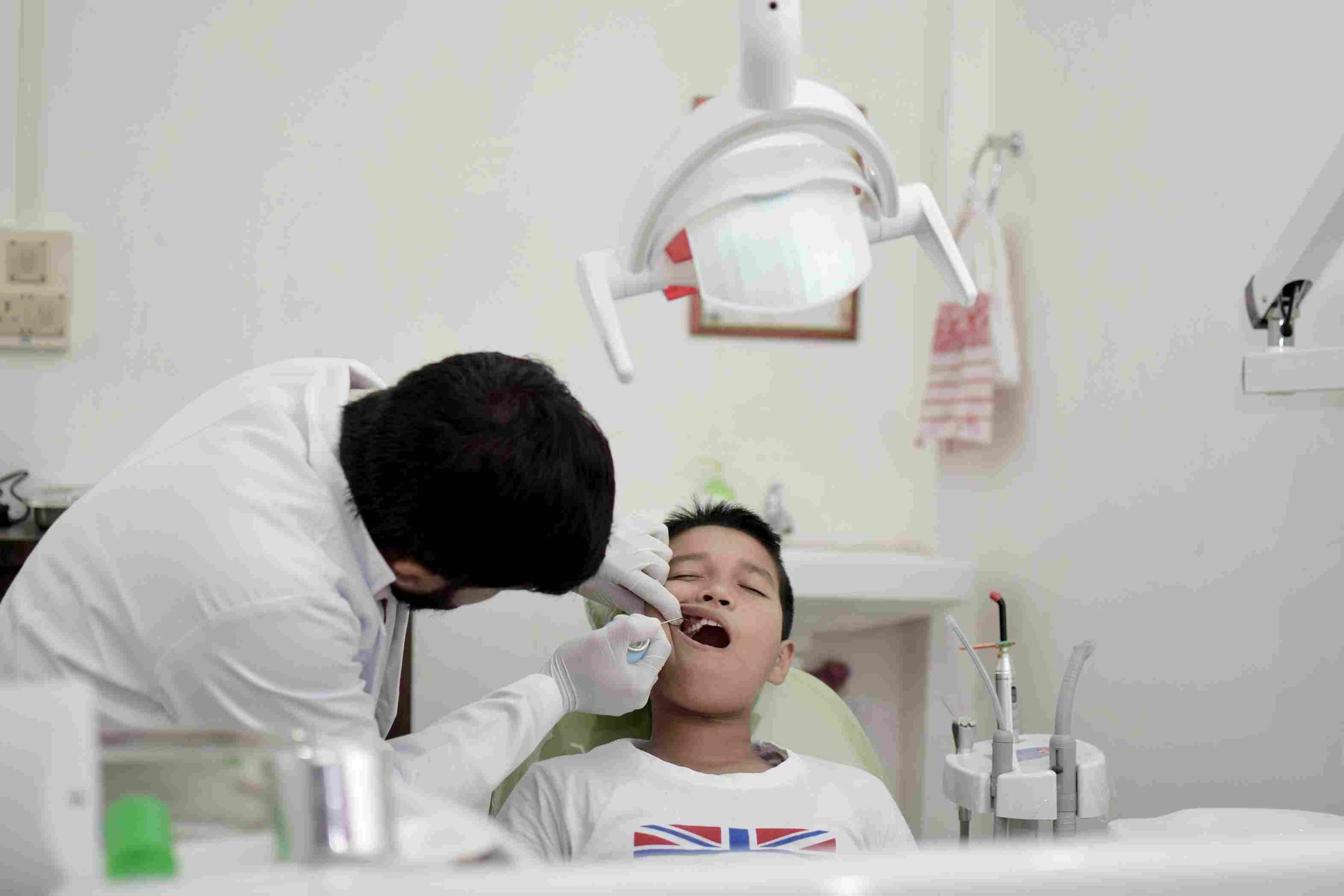
After Eid, many parents notice the same pattern. Sweets are everywhere, routines become looser, bedtime brushing gets delayed, and children often snack more often than usual. This is exactly when the risk of tooth decay in children starts to rise. The issue is not only how much sugar a child eats. It is also how often the teeth are exposed to it, how long sticky sweets stay on the enamel, and whether the mouth is cleaned properly afterward.
That is why the period after Eid is a very useful time to reset habits and focus on kids cavities prevention before early enamel damage turns into real cavities. In many children, the first stage of decay does not start with pain. It starts quietly, with plaque building up around the teeth, acids attacking the enamel, and small weak areas developing without the child noticing anything at all.
The good news is that prevention does not need to be complicated. A few practical changes at home, combined with timely checkups and preventive care when needed, can make a major difference. In this article, we explain how to reduce cavity risk after Eid treats, when fluoride treatment Abu Dhabi may help, when dental sealants Abu Dhabi become useful, and why a visit to a pediatric dentist Abu Dhabi can be a smart step after a sweets-heavy season.
Why cavities become more likely after Eid
After Eid, children often eat sweets more frequently than usual. Instead of having sugar once with a meal, they may have chocolate, candy, juice, biscuits, or sticky desserts several times throughout the day. This repeated exposure matters because every time sugar stays in the mouth, bacteria in plaque produce acids that attack the enamel, as explained by the American Dental Association.
The more often this happens, the less time the teeth have to recover between acid attacks. This is why the period after Eid can be risky when sugary snacks and drinks become part of the day rather than an occasional treat.
This risk becomes higher when sweets season also comes with:
- more snacking between meals
- sticky candies that stay on the teeth longer
- sweet drinks sipped slowly over time
- disrupted brushing routines
- late nights and missed bedtime cleaning
- less supervision of daily oral care
This is why kids cavities prevention after Eid is not about panic. It is about understanding that a short period of repeated sugar exposure can create the right conditions for early decay if home care does not improve quickly afterward.
What makes tooth decay in children start quietly
One reason tooth decay in children is often missed at first is that the early stage may not hurt. Parents may assume the teeth are fine because the child is not complaining. But decay usually begins long before pain appears.
At the start, the enamel may begin losing minerals. This can show up as:
- chalky white spots on the enamel
- dull areas near the gumline
- darkening in grooves on the molars
- food trapping in one small area
- mild sensitivity to sweets
- bad breath that keeps returning
At this point, the problem may still be easier to manage than a deeper cavity. That is why early observation matters so much. A reset after Eid is helpful not only for prevention, but also for catching these early signs before the child needs more extensive treatment.
Why frequency of sugar matters more than parents expect
Many parents focus on quantity alone. They ask whether one chocolate bar is worse than two biscuits. In reality, frequency is often the bigger issue.
A child who eats one sweet item once, with a main meal, and then brushes well later is usually in a better situation than a child who keeps eating small sugary snacks all afternoon.
This is because:
- each sugar exposure feeds plaque bacteria
- each exposure starts a new acid attack
- repeated snacking means repeated acid attacks
- enamel has less time to recover between them
This is also why the CDC highlights frequent sugar exposure as a major risk factor for cavities in children. So one of the simplest ways to improve kids cavities prevention is to reduce how often sweets are offered after Eid, even before making big changes to the type of sweets.
Which Eid treats are more likely to cause problems
Not all sweets behave the same way in the mouth. Sticky and slow-dissolving sweets usually create more trouble than foods that clear more quickly.
The more problematic types often include:
- chewy candies
- caramel
- gummy sweets
- biscuits that stick in molar grooves
- sweet drinks sipped slowly
- lollipops and hard sweets kept in the mouth for a long time
These are more likely to increase tooth decay in children because they either stick to the teeth, stay in the mouth longer, or expose the enamel to sugar over an extended period.
This does not mean children need total prohibition. It means the family should be more careful with sticky sweets, repeated snacking, and sugary drinks between meals.
How to reset brushing after sweets season
The most important step after Eid is returning to a steady brushing routine immediately.
A good routine should include:
- brushing twice daily
- making bedtime brushing non-negotiable
- using a fluoride toothpaste appropriate for the child’s age
- supervising brushing if the child is still young
- making sure back teeth are brushed carefully
- cleaning between teeth when recommended and possible
The bedtime brushing session matters most because it removes food and plaque before the long overnight period. If children go to sleep after sweets without proper cleaning, the teeth stay exposed to plaque activity for hours.
For many families, kids cavities prevention improves significantly just by restoring this one habit consistently.
Why fluoride is often important after Eid
Fluoride treatment Abu Dhabi can be especially helpful when a child has recently gone through a high sugar period or already has a higher cavity risk.
Fluoride supports enamel by helping it resist acid attacks and strengthen areas that are starting to weaken, a preventive approach supported by the CDC and widely recommended in pediatric dental care.
It can be useful in children who:
- have had cavities before
- snack on sweets often
- show early white spot changes
- struggle with brushing consistency
- have deep grooves in their molars
- need additional protection after a sugar-heavy season
This is one reason families often speak with a pediatric dentist Abu Dhabi after Eid if they feel their child’s routine slipped or if they are worried about early changes in the teeth.
What are dental sealants and when do they help?
Dental sealants Abu Dhabi are protective coatings placed on the chewing surfaces of back teeth, especially molars. These teeth often have deep grooves where food and plaque collect easily, and children usually find them hardest to clean properly.
Dental sealants Abu Dhabi are recommended by the American Academy of Pediatric Dentistry as an effective way to help prevent decay in these high-risk areas.
Sealants can be especially useful when:
- the permanent molars have recently erupted
- the grooves are deep
- the child is at higher risk for cavities
- sweets intake has been frequent
- brushing is not always thorough enough in the back teeth
Sealants are preventive, not corrective. They are used to reduce the chance that decay starts in these high-risk areas. For children with deep molar grooves, they can be one of the most practical tools in kids cavities prevention.
How water helps more than parents think
Water is a small step, but a very useful one. After sweets, encouraging the child to drink water helps reduce leftover sugar in the mouth and supports a cleaner oral environment until proper brushing happens.
Water is also a better habit than following sweets with juice or another sweet drink. This sounds simple, but it matters. A child who eats sweets and then drinks more sugar is extending the exposure time.
So one easy after-Eid rule is this: after treats, offer water first.
Why baby teeth still need full protection
Some parents still think that because baby teeth will fall out eventually, early decay is not a major concern. In reality, that idea causes many avoidable problems.
Baby teeth matter because they help with:
- chewing
- speech development
- comfort during eating
- guiding permanent teeth into better positions
- maintaining space in the mouth
Untreated tooth decay in children can lead to pain, infection, difficulty eating, sleep problems, and early tooth loss. It can also make future dental visits more stressful for the child.
Baby teeth are important for normal oral development, as emphasized by the American Dental Association, which is why post-Eid prevention matters even when the child still has mostly baby teeth.
Signs parents should not ignore after Eid
After a sweets-heavy period, certain signs deserve attention. A child may need a dental review if parents notice:
- white chalky spots on the teeth
- brown or dark marks in grooves
- food getting stuck in one area
- bad breath that keeps returning
- complaints of tooth sensitivity
- pain while chewing
- reluctance to brush one side of the mouth
- visible plaque collecting around certain teeth
These signs do not always mean advanced decay, but they may suggest that tooth decay in children is beginning or that the child is entering a higher-risk phase.
This is exactly when a preventive visit to a pediatric dentist Abu Dhabi can be most useful.
Simple rules that make a real difference at home
Parents do not need a complicated plan to improve kids cavities prevention after Eid. A few consistent rules can already reduce risk:
- keep sweets with meals, not as constant snacks
- avoid frequent sugary drinks between meals
- offer water after treats
- return immediately to brushing twice daily
- supervise bedtime brushing
- use fluoride toothpaste regularly
- book a checkup if there are any signs of concern
- ask about fluoride treatment Abu Dhabi if the child is cavity-prone
- ask about dental sealants Abu Dhabi for molars if recommended
What matters is not perfection. What matters is consistency after the sweets season ends.
When should you book a pediatric dental visit?
A visit to a pediatric dentist Abu Dhabi is especially helpful after Eid if:
- the child has had cavities before
- brushing was inconsistent during the holiday period
- the child eats sweets frequently
- there are visible changes on the teeth
- the molars are newly erupted
- the child complains of sensitivity or pain
- the family wants to ask about preventive options such as fluoride or sealants
This type of visit is not only for treatment. It is also for risk assessment. In many cases, the best value of the appointment is finding out that a child needs preventive support before a cavity becomes deeper.
Protecting your child’s teeth after Eid starts with early action, not waiting for pain
If your child has had a sweets-heavy holiday period, the best next step is not to wait and see whether pain appears. Early kids cavities prevention works much better than late treatment. A simple check can reveal whether the teeth are still in a good preventive stage or whether early tooth decay in children is beginning to develop.
If your main concern is cavity prevention after sweets, it may help to ask about fluoride treatment Abu Dhabi to strengthen enamel in children who are more vulnerable to decay. If the back teeth have deep grooves or the child has a history of cavities, reviewing the option of dental sealants Abu Dhabi may also be useful as part of a preventive plan. And if you have noticed changes in the teeth, food trapping, or sensitivity, a visit to a pediatric dentist Abu Dhabi can help determine whether the child needs only preventive support or an earlier treatment step.
Booking an appointment at gives the dental team a chance to assess your child’s current cavity risk, guide you on home prevention, and decide whether fluoride, sealants, or a closer follow-up would be the best next step.
